Counting the waves…
Counting the waves…

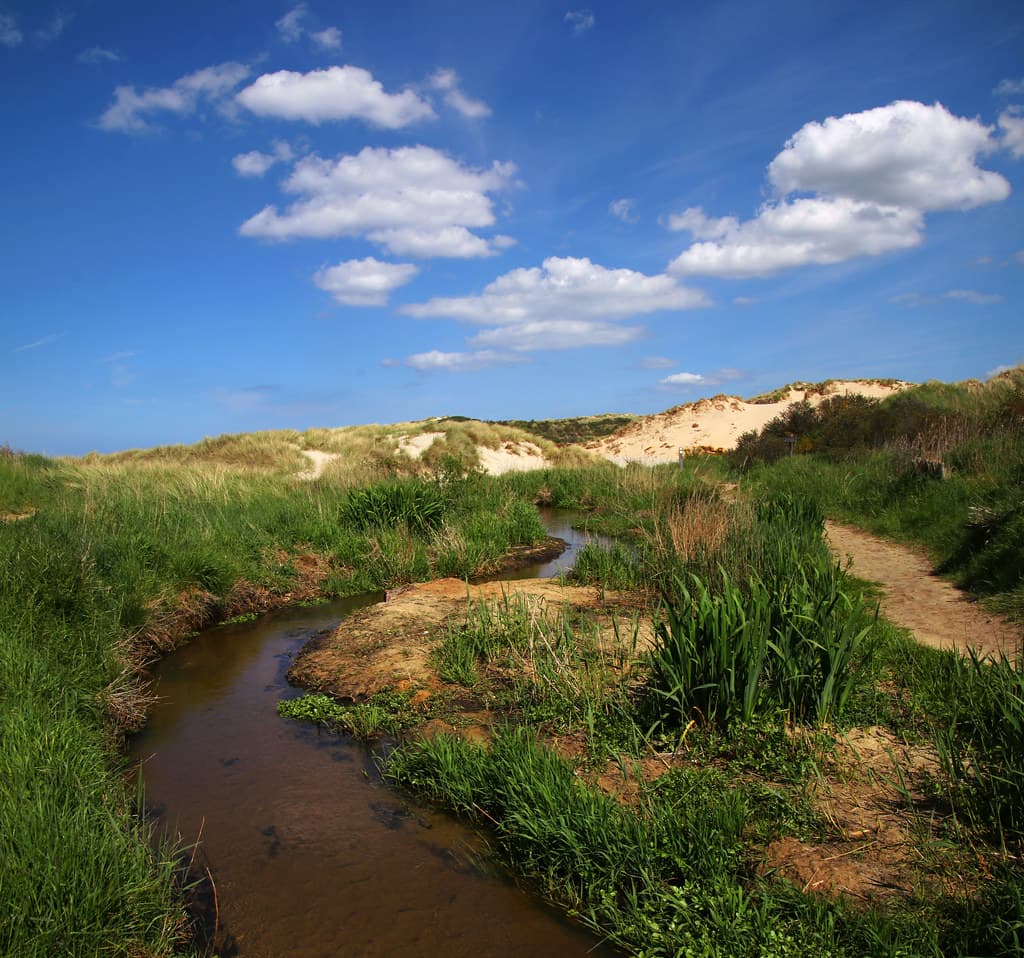
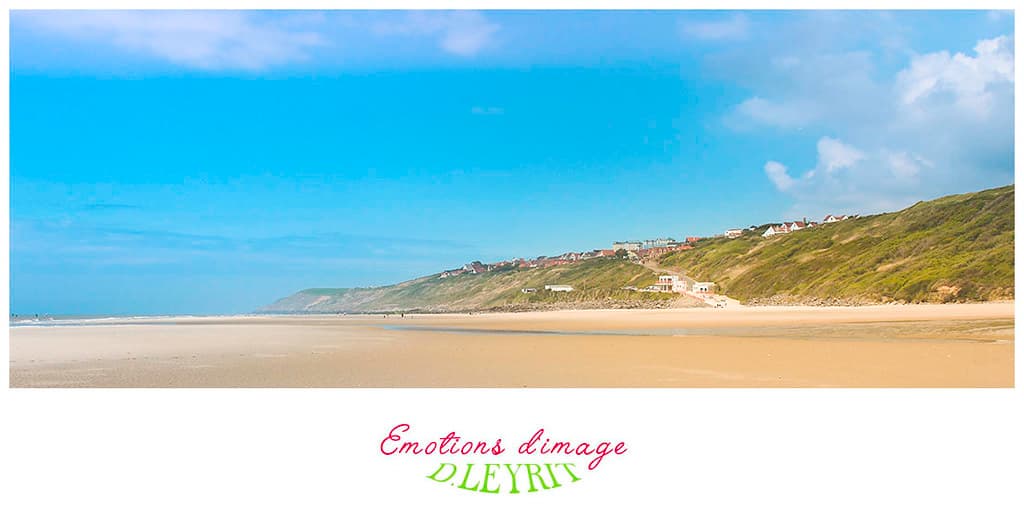
The Opal Coast earned its name from the way light plays across this moody seaboard, and Hardelot delivers that shimmer in spades. You walk down wooden boardwalks threading through marram grass, past Belle Époque villas that once hosted French aristocracy fleeing summer heat. The beach unfurls in both directions—two kilometers of uninterrupted sand at low tide, hard-packed enough for fat-tire bikes and wind-blown kites that tug at their lines like impatient dogs. Surf schools cluster near the main access points, their wetsuits drying on racks that face a sea the color of slate. The waves here are forgiving learners, rolling in with steady rhythm rather than the dramatic barrels of Biarritz. Families dig moats around sandcastles while their teenagers paddle out, and the lifeguard flags snap in wind that never quite dies. Behind you, the dunes rise like frozen waves themselves, their slopes stitched with wooden stakes to hold the sand in place. As the tide retreats, it leaves behind tide pools and ribbed sand that catches the late afternoon light in bronze and pewter. The beach clubs serve moules-frites and local Bière de Pays d'Opal under striped umbrellas, but most visitors bring baguette sandwiches and thermoses of coffee, content to watch the weather roll in from England. This is the beach where northern France comes to breathe—no pretense, just wind and width and water that refuses to coddle.
Places, rentals, tours and events within walking and driving distance of Plage d'Hardelot.
Photos
Plage d'Hardelot is generally safe for family swimming, with lifeguards present during summer months (typically July-August). The beach features gentle slopes and sandy shores suitable for children. However, tidal currents can be strong, so always swim in designated areas and heed flag warnings. The beach also attracts surfers, particularly in certain zones, so keep children away from surfing areas. Check tide times before visiting, as the beach transforms significantly between high and low tide. Outside summer season, no lifeguards are on duty, requiring extra caution.
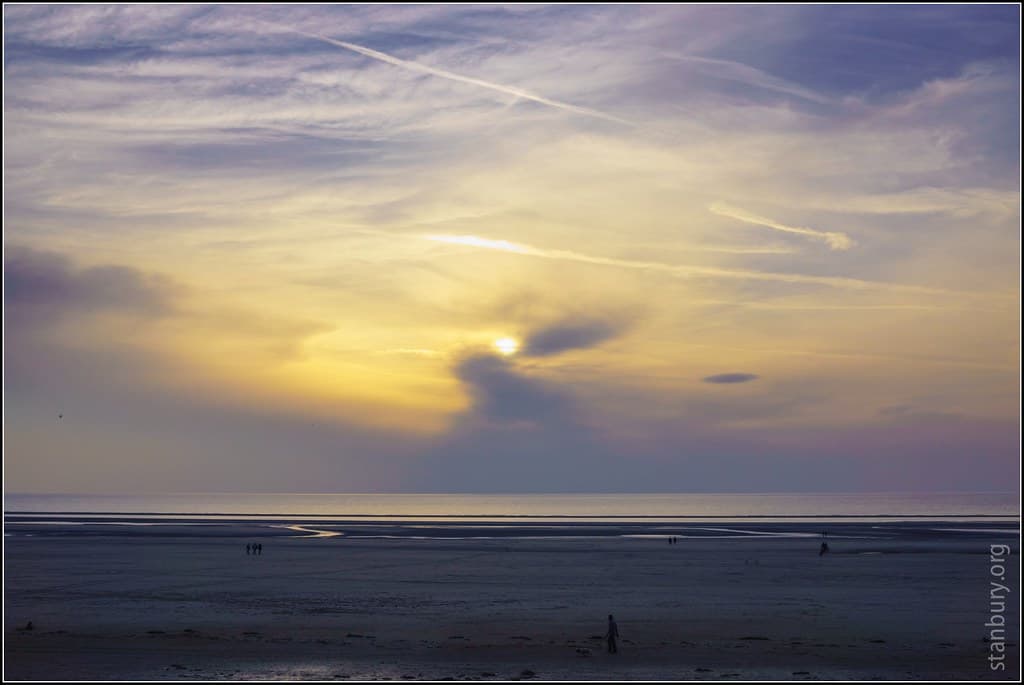
Plage d'Hardelot is accessible year-round, but July and August offer the warmest weather (18-22°C) and full amenities including lifeguards. Late spring (May-June) and early autumn (September) provide pleasant temperatures with fewer crowds, ideal for walks and sunsets. Winter brings dramatic scenery and good surfing conditions, though swimming is cold. The beach faces west, making it spectacular for sunset viewing any season. Summer weekends can be busy, so weekdays or shoulder seasons offer more tranquility while still enjoying this beautiful Opal Coast destination.
Plage d'Hardelot is located near Neufchâtel-Hardelot in Pas-de-Calais, approximately 15km south of Boulogne-sur-Mer. By car, take the A16 motorway to exit 26, then follow signs to Hardelot-Plage. Several parking areas are available near the beach, including Boulevard de la Mer and Avenue François 1er. Parking is typically free outside peak summer season; fees may apply July-August. The beach is also accessible by regional bus services from Boulogne-sur-Mer. From Calais, it's about a 40-minute drive.
Plage d'Hardelot offers numerous dining options, from beachfront cafés to restaurants serving fresh seafood and French cuisine along the promenade and nearby streets. The resort town features various accommodations including hotels, holiday apartments, and campsites to suit different budgets. Beach clubs provide seasonal refreshments and facilities. Avenue François 1er and the town center contain bakeries, shops, and convenience stores. For upscale stays, several well-regarded hotels overlook the beach. The area caters well to families and tourists with supermarkets and practical amenities within easy reach.
Yes, Plage d'Hardelot is popular for surfing, particularly at its northern end where Atlantic swells create consistent waves. The beach works best with westerly swells and is suitable for various skill levels, though beginners should choose calmer days. Several surf schools operate seasonally, offering lessons and equipment rental. Autumn and winter typically bring the best wave conditions, while summer sees gentler surf ideal for learning. Designated surfing zones separate surfers from swimmers during peak season. Local surf shops provide gear and advice on current conditions and tide times.