Counting the waves…
Counting the waves…

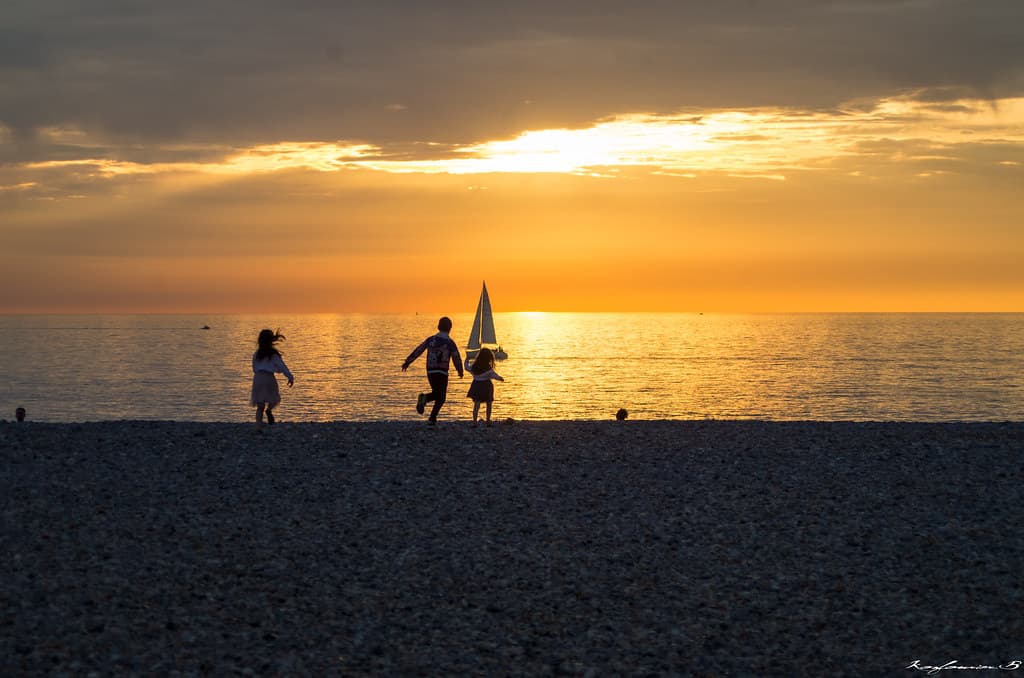
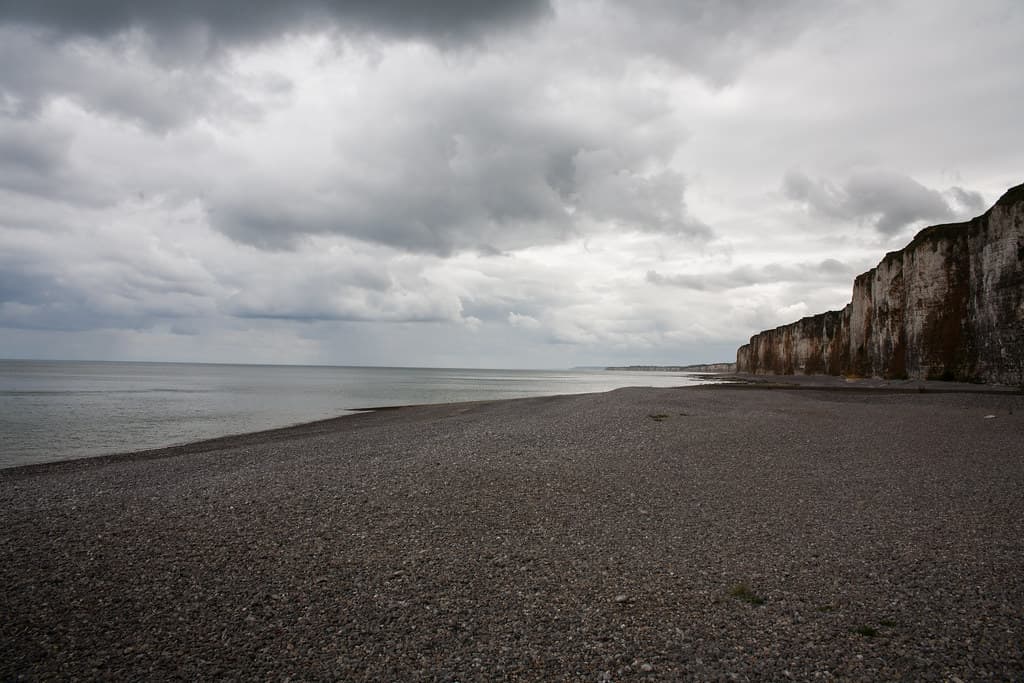
The path down to Plage du Petit Ailly threads between gorse and wild carrot, salt air mixing with the green smell of crushed grass underfoot. At the base, bleached pebbles give way to blonde sand at low tide, revealing tide pools fringed with bladderwrack and tiny crabs that dart sideways into shadow. The cliffs rise in bands—cream, rust, bone—their faces scarred by centuries of weather, chalk dust streaking down after rain. This is not the Normandy of landing beaches and memorials. Here the coast belongs to dog walkers and watercolourists, to the rhythm of tide charts and the crack of flint beneath your boots. Monet set up his easel a few hundred metres west in the 1880s, chasing the light that still rakes across these headlands, turning ordinary stone theatrical. You'll see his subject: the arch and needle of rock that frame the horizon when you look back from the waterline. Come at ebb tide and you can walk the strand west toward Sainte-Marguerite-sur-Mer, your footprints the only marks on wet sand. The Channel here is pewter and restless, too cold for long swimming but honest in its chill. By six o'clock in summer the families have left for dinner in Dieppe, and you have the sunset entirely to yourself—no music, no hawkers, just the hiss of surf and the chalk cliffs catching fire.
Places, rentals, tours and events within walking and driving distance of Plage du Petit Ailly.
Photos
Swimming at Plage du Petit Ailly requires caution due to strong currents and tides typical of the Normandy coast. The beach has no lifeguard supervision, so swimmers should be experienced and check tide times carefully. The beach is accessible only at low tide, and incoming tides can be dangerous. Rocky areas and pebbles make water entry challenging. Always monitor weather conditions before visiting, as the English Channel can be unpredictable. This beach is better suited for walking and enjoying scenery than swimming.
Plage du Petit Ailly is stunning year-round, but late spring through early autumn (May-September) offers the most pleasant weather for beach walks. The beach is famous for dramatic sunsets, making late afternoon visits particularly rewarding. Low tide is essential for beach access, so consult tide tables before your visit. Summer brings warmer temperatures but also more visitors. Autumn and winter offer solitude and moody coastal scenery, perfect for photographers. The impressive chalk cliffs and natural arches are photogenic in any season.
Plage du Petit Ailly is located in Varengeville-sur-Mer, about 8 kilometers west of Dieppe. From Dieppe, follow the D75 coastal road toward Varengeville. Limited parking is available near the clifftop path leading down to the beach. The descent involves a steep path and stairs, which can be challenging. The walk down takes approximately 10-15 minutes. Public transportation to Varengeville is limited, so driving is recommended. Ensure you arrive at low tide, as the beach becomes inaccessible during high tide.
Plage du Petit Ailly has no facilities directly on the beach—no toilets, showers, or food vendors. The beach is quite remote and natural. Varengeville-sur-Mer village, about 2 kilometers inland, has a few restaurants and cafés. For more dining options and accommodations, head to Dieppe, the nearest town with full amenities including hotels, restaurants, and shops. Pack essentials like water, snacks, and sun protection. The nearby village of Sainte-Marguerite-sur-Mer also offers some dining options within a short drive.
Plage du Petit Ailly is renowned for its dramatic white chalk cliffs and distinctive natural arch formations, similar to those at Étretat but less crowded. These striking geological features have inspired numerous artists, including Claude Monet, who painted this coastline. The cliffs erode continuously, creating an ever-changing landscape. The beach offers excellent views of these formations, especially during golden hour. However, be aware that cliff falls occur, so maintain safe distances from cliff bases and edges. The rock arch is particularly photogenic at sunset.