Counting the waves…
Counting the waves…

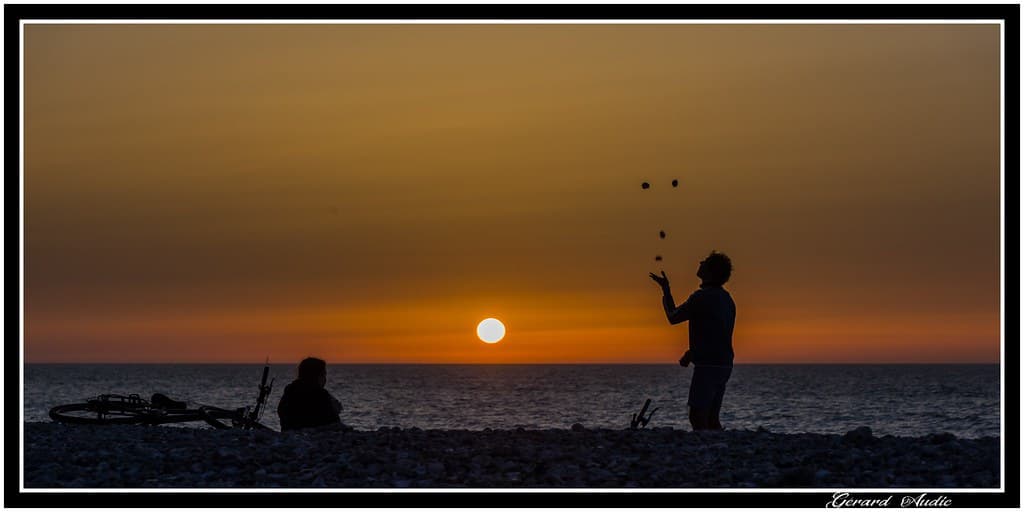
The Veules River completes its entire journey—from spring to sea—in less than fifteen minutes on foot, earning its place in the record books as France's briefest waterway. You follow its clear current past mossy millwheels and colombage houses until it fans across a beach of fist-sized pebbles, their surfaces polished smooth by centuries of tides. Behind you, the village unfolds in postcard layers: ivy-clad stone bridges, rose-draped garden walls, thatched cottages leaning companionably toward cobbled lanes. The strand itself stretches wide at low tide, revealing tide pools where green crabs scuttle between rocks slick with bladderwrack. Chalk cliffs rise to either side, their white faces streaked with flint, part of the dramatic Côte d'Albâtre that runs from Le Havre to Le Tréport. Families spread blankets on the upper beach while children dam the river's final metres with pebble walls that surrender to each incoming wave. Come for sunset when the westward light turns the chalk headlands apricot and the English Channel goes pewter-grey. The beach empties as visitors drift back through the village to timber-beamed restaurants serving sole meunière and cidre bouché. Low season brings its own charm: winter storms that rearrange the pebble banks overnight, autumn fog that muffles the surf, spring tides that leave the waterline jewelled with sea glass worn smooth as the stones themselves.
Places, rentals, tours and events within walking and driving distance of Plage de Veules-les-Roses.
Photos
Plage de Veules-les-Roses is generally safe for swimming during calm weather, though the English Channel can have strong currents and cooler water temperatures. The beach is shingle and pebble rather than sand, with a relatively steep drop-off. There's no lifeguard supervision, so swimmers should exercise caution and check tide times before entering the water. The beach is more sheltered than some Normandy beaches, making it suitable for families during settled conditions. Always supervise children closely and avoid swimming during rough seas or high winds.
Late spring through early autumn (May to September) offers the warmest weather and longest days, with July and August being peak season but also most crowded. The beach has year-round appeal: summer for swimming and sunbathing, while autumn and winter provide dramatic coastal scenery and fewer tourists. Weather is typically mild but changeable, with average summer temperatures around 18-22°C. For the best experience, visit during weekdays in June or September when the charming village is less busy, or come during golden hour for stunning sunset views over the Channel.
Veules-les-Roses is located approximately 25km west of Dieppe along the D925 coastal road. By car from Paris, take the A13 then A29 (about 2.5 hours). The nearest train station is in Saint-Valery-en-Caux (8km away), requiring a taxi or bus connection. Several free and paid parking areas are available near the beach and village center, including parking along Rue Victor Hugo. During summer peak season, arrive early as spaces fill quickly. The beach is just a short walk from the village center through picturesque streets.
The village offers several excellent seafood restaurants and crêperies within walking distance of the beach, featuring fresh local catches and Norman specialties. Les Galets and other beachfront establishments provide dining with sea views. You'll find basic beach amenities including public toilets, though facilities are limited compared to larger resorts. The village has small shops, bakeries, and cafés selling refreshments. For accommodation, charming chambres d'hôtes (B&Bs), small hotels, and vacation rentals are available in the village. The nearest larger supermarkets are in Saint-Valery-en-Caux.
Veules-les-Roses is home to France's shortest river, the Veule, which flows just 1,194 meters from source to sea through the village. This picturesque waterway creates a unique charm with watercress beds, historic watermills, and footbridges throughout the village. The combination of the river walk and beach access makes it distinctive among Normandy coastal destinations. The village has retained authentic character with thatched cottages, narrow streets, and artistic heritage—attracting painters and writers for generations. This blend of river and seaside scenery offers more variety than typical beach destinations.