Counting the waves…
Counting the waves…

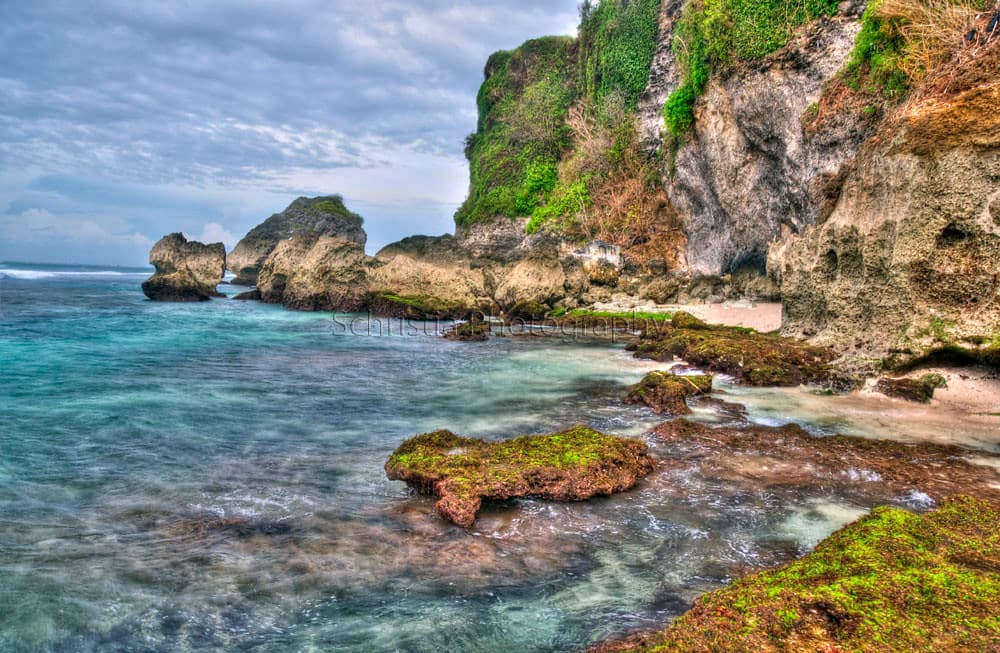
Thomas Beach hides in plain sight. While thousands pour into Uluwatu Temple and the surf breaks of Padang Padang, this slip of coastline remains a secret kept by fishermen and the handful of travelers willing to navigate the unmarked dirt track off Jalan Labuan Sait. The descent—203 concrete steps flanked by frangipani and wild scrub—ends at a cove framed by cave-pocked cliffs that glow amber in afternoon light. The sand is fine as powdered sugar, compacting under your toes as you wade into water that shifts from jade to sapphire depending on the clouds. At low tide, tide pools collect in the volcanic rock shelves, harboring anemones and darting gobies. A single warung perches at the beach's southern end, its bamboo deck strung with solar lights, serving grilled mahi-mahi with sambal that bites back. The owner's dog sleeps in the shade of a beached jukung, tail thumping whenever someone passes. By late afternoon, the cliffs cast long shadows across the sand and the wind drops to nothing. You'll hear the distant throb of gamelan from a temple ceremony somewhere inland, the rhythmic slap of waves on the reef, the scrape of a rake as the warung staff smooths the sand for evening guests. Uluwatu's chaos feels a world away, though it's barely two kilometers up the road.
Places, rentals, tours and events within walking and driving distance of Thomas Beach.
Photos
Swimming conditions at Thomas Beach vary considerably with seasons and tides. During dry season (April-October), the waters are generally calmer and safer for swimming, though you should always check current conditions before entering. Wet season brings larger swells and stronger currents that can be dangerous. There are no lifeguards on duty, and the beach is relatively isolated. Always swim during daylight hours, stay close to shore, and avoid swimming alone. Watch for rocks near the water's edge, particularly at the southern end of the beach.
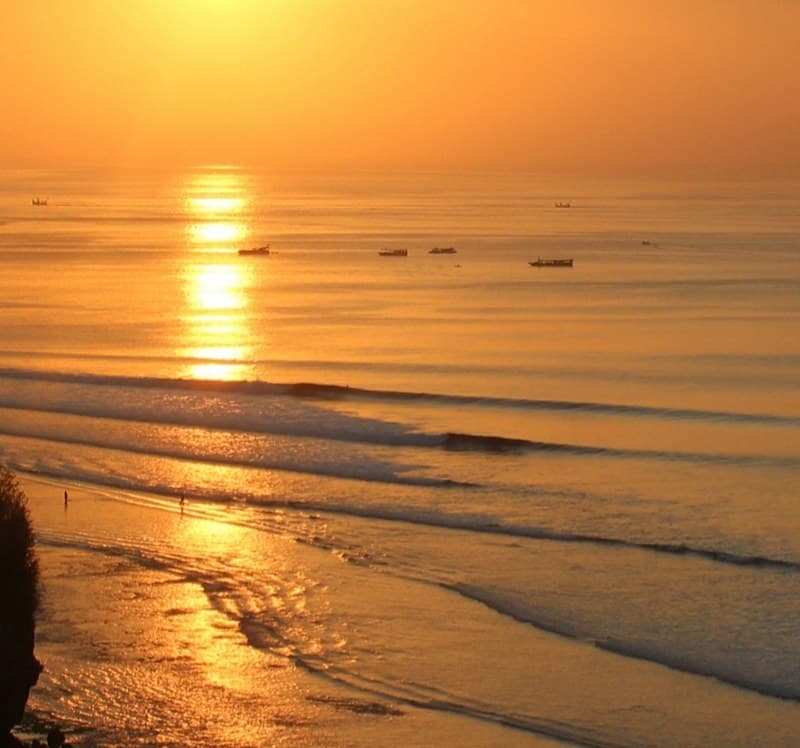
Thomas Beach is accessible year-round, but the optimal visiting period is during Bali's dry season from April through October, when you'll encounter calmer seas, clearer skies, and less rainfall. The beach faces southwest, making it excellent for sunset views throughout the year. Mornings typically offer the calmest conditions and fewer visitors. While the wet season (November-March) brings occasional rain and rougher waters, the beach remains scenic and often emptier. Avoid visiting during high tide if you want maximum beach space for relaxation.
Thomas Beach is located in Pecatu, south of Uluwatu Temple. From the main road, follow signs toward Thomas Beach through a small village. You'll descend a steep concrete road that leads to a basic parking area near the beach (parking fee typically applies, around 5,000-10,000 IDR). The final approach involves walking down stairs to reach the sand. The access road can be challenging for larger vehicles. Most visitors arrive by scooter or arrange drop-off by taxi/driver. It's about 15-20 minutes from Uluwatu Temple area.
Thomas Beach has limited facilities compared to more developed Bali beaches. You'll find a few small warungs (local eateries) serving Indonesian food, fresh seafood, and cold drinks right on the beach. These simple establishments offer basic beach chairs and umbrellas for customers. There are no hotels directly on Thomas Beach itself, but several guesthouses and villas are available within a short drive in the surrounding Pecatu area. For more accommodation options, the Uluwatu region (10-15 minutes away) offers everything from budget homestays to luxury resorts.
Thomas Beach remains relatively undiscovered because it lacks the dramatic cliff formations and surf breaks that made neighboring beaches like Padang Padang and Uluwatu famous. The steeper, less convenient access route deters casual beachgoers, while surfers typically prefer other nearby spots with more consistent waves. Its location slightly off the main tourist circuit means fewer people stumble upon it. This hidden quality is exactly what attracts visitors seeking a quieter, more authentic beach experience away from Bali's increasingly crowded southern coastline, especially during peak season.