Counting the waves…
Counting the waves…

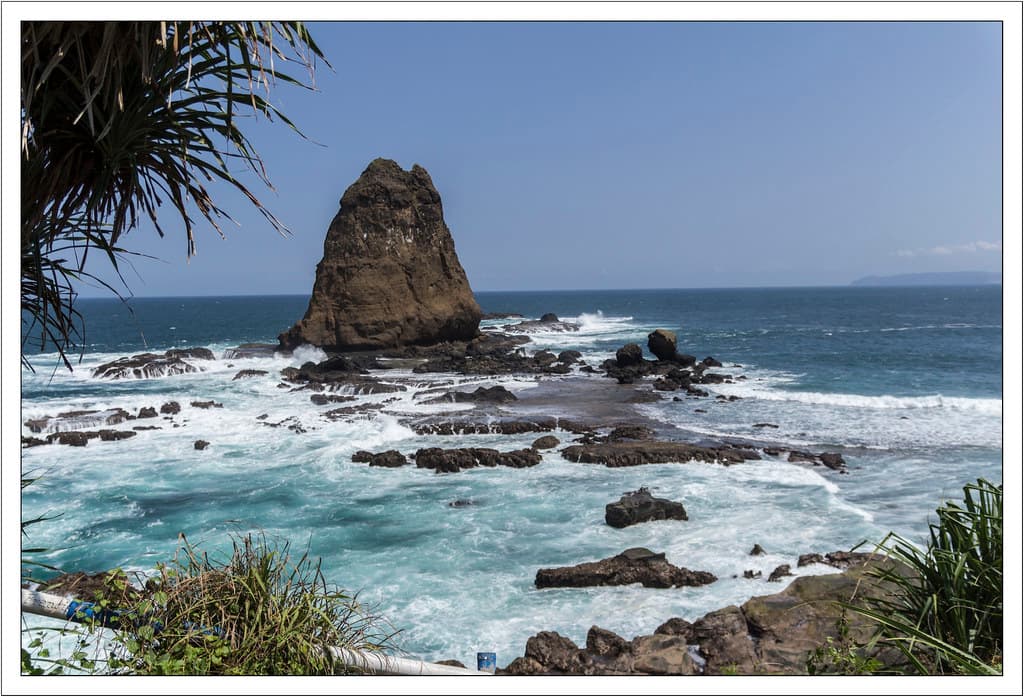
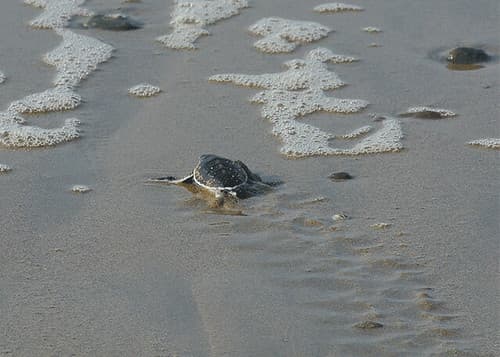
The journey to Sukamade is deliberate: most visitors book through Banyuwangi tour operators who arrange the bone-rattling five-hour drive through plantation roads and forest tracks, or the alternative boat route along the coast when seas cooperate. The beach itself stretches in a muscular arc of coarse black sand, backed by dense rainforest canopy where hornbills call at dawn. Driftwood bleaches white against the dark shore, and the Indian Ocean pounds in with unforgiving consistency. But you come for the turtles. Between dusk and dawn, green turtles and occasional leatherbacks lumber up the beach to dig nests above the high-tide line. Park rangers patrol with dim red lights, protecting eggs from feral dogs and opportunistic monitors. You'll kneel in the sand, close enough to hear the rasp of flippers scraping sand, watch the rhythmic shudder as each egg drops. Some mornings, hatchlings scramble en masse toward the surf, their tiny tracks crisscrossing the beach like cuneiform. The park guesthouse offers spartan rooms with mosquito nets and meals of fresh-caught fish, grilled over coconut husks. There's no phone signal, no ATM within four hours. You wake to the screech of long-tailed macaques raiding the kitchen, breakfast on papaya grown behind the ranger station, then walk the empty beach counting yesterday's turtle crawls etched in wet sand.
Places, rentals, tours and events within walking and driving distance of Sukamade Beach.
Photos
Swimming at Sukamade Beach is generally not recommended due to strong currents and powerful waves typical of the southern Java coastline. The beach is primarily known as a sea turtle nesting site rather than a swimming destination. Visitors should exercise extreme caution near the water and prioritize turtle watching activities instead. The remote location also means limited emergency services are available. Focus on enjoying the pristine natural environment and wildlife observation rather than water activities for a safer, more rewarding experience.
Sukamade Beach can be visited year-round, but the peak turtle nesting season runs from April to September, making this the most popular period. The dry season (May-October) offers easier access via rough jungle roads, though 4WD vehicles are necessary regardless of season. Rainy season (November-March) brings challenging road conditions and potential flooding, though turtles still nest during these months. For optimal turtle sightings and comfortable travel conditions, aim for June through August when weather is typically drier and nesting activity remains high.
Reaching Sukamade Beach requires joining an organized tour or arranging private 4WD transportation, as it's located deep within Meru Betiri National Park. From Banyuwangi, the journey takes 5-7 hours through challenging jungle terrain with river crossings. Most visitors depart from Jember or Banyuwangi, traveling through Pesanggaran and Sarongan before entering the national park. Independent access is extremely difficult without a capable vehicle and local guide. Basic parking is available near the ranger station and guesthouse. Pre-booking tours from Banyuwangi is strongly recommended.
Accommodation options at Sukamade are very limited and basic. A government-run guesthouse near the beach offers simple rooms, typically included in tour packages. Meals are usually provided as part of organized tours, featuring basic Indonesian dishes prepared by local staff. There are no restaurants, shops, or commercial facilities at this remote location. Visitors should bring essential supplies, snacks, and any special dietary items from Banyuwangi or larger towns. The rustic amenities reflect the beach's protected status within Meru Betiri National Park, emphasizing conservation over tourism infrastructure.
Yes, Sukamade Beach is one of Indonesia's most important sea turtle nesting sites, with sightings highly probable during night patrols. Green turtles nest here year-round, with occasional visits from hawksbill, olive ridley, and leatherback turtles. Rangers conduct nightly beach patrols to monitor nesting activity, and visitors typically join these guided walks between 8 PM and midnight. While sightings aren't guaranteed, the odds are favorable, especially during peak season. Strict conservation protocols apply—maintaining distance, no flash photography, and following ranger instructions are mandatory to protect these endangered species.