Counting the waves…
Counting the waves…
A refined fusion of water purity, environmental stability, and communal vibrancy for Wedi Ireng Beach.
View MethodologyAnalyzed via live sensors and environmental data.
Wave height, wind, and atmospheric stability.
Live footfall and crowd balance metrics.
Community reviews and curated sentiment.
“You'll kick off your sandals on talc-soft sand that squeaks underfoot, the Indian Ocean pooling in shallow aquamarine bands just beyond the tree line. Wedi Ireng sits tucked behind scrubland an hour south of the ferry…”
Limited recent visitor reports — live OBI telemetry is your best guide for current conditions.
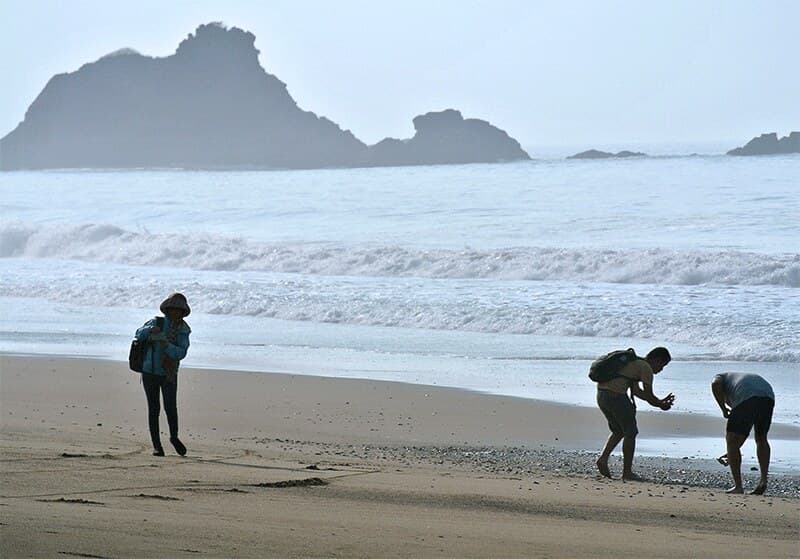
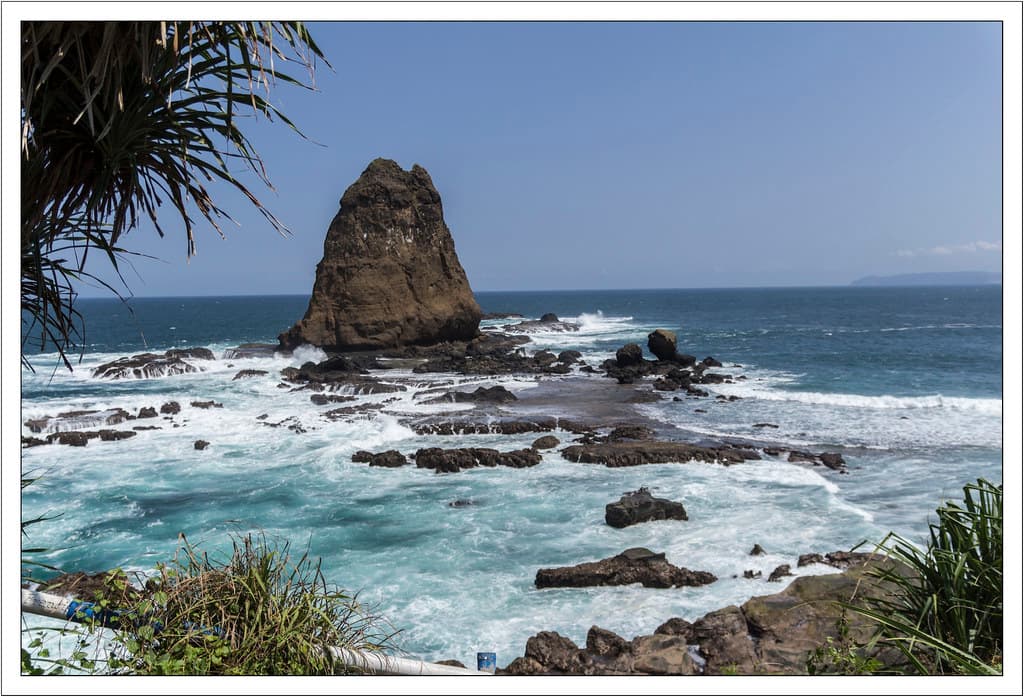
The moment you step onto Wedi Ireng, the contrast hits you: bone-white sand stretching in a gentle crescent, framed by low coastal forest and the kind of translucent water that shifts from jade to cobalt as the seafloor drops. The beach earned its name—"black sand" in Javanese—from a neighbouring cove, but here the shore runs pale and powdery, almost luminous against the volcanic headlands bookending each side. Waves arrive in lazy, rhythmic sets, folding over sandbars far enough out that the shallows stay calm most afternoons.
You won't find warungs or sunbed touts. A handful of fishing praos rest on the high-tide line, their outriggers casting long shadows by mid-morning. Local families arrive on weekends, but weekdays the beach is yours—just the rustle of casuarina trees and the occasional crackle of drying seaweed. The ocean floor slopes gradually, ideal for long wades, and the water stays warm year-round, hovering near 28°C.
 Credit: Unsplash
Shallow Wading
 Credit: Unsplash
Headland Framing
Warm sandbars stretch far offshore
Volcanic cliffs anchor both horizons
Casuarinas line the upper beach
Where it is
Wedi Ireng Beach
Banyuwangi, East Java, Indonesia
-8.584000°, 114.042000°
Weather
Loading…
Swell
—
Temp
Warm · Restorative
UV Index
Moderate
Wind
—
Tidal State
Last known
Max Sunlight
—
Ideal Shade
—
May - Sep (Peak)
Jan - Dec (Off-season)
Historical data suggests peak visibility and stable sea temperatures occur during the prime visitation window.
Select a category to load nearby places.
Unlock restaurants, luxury stays and curated maritime experiences within 2km
Swimming conditions at Wedi Ireng Beach vary depending on tides and weather. The beach features calm waters during dry season mornings, making it generally suitable for swimming. However, currents can strengthen in the afternoon and during monsoon season. The beach lacks lifeguards, so exercise caution and assess conditions before entering the water. Stay close to shore if you're not a strong swimmer. Local visitors typically swim during calmer morning hours. Always ask local fishermen or residents about current conditions, as they know the beach's patterns best.
Wedi Ireng Beach can be visited year-round, though the dry season from April to October offers the most comfortable conditions with sunny skies and calmer seas. The wet season (November-March) brings occasional rain but fewer crowds. Early mornings provide the best lighting for photography and cooler temperatures for beach walks. Weekdays are significantly quieter than weekends, when local families visit. Sunrise is particularly spectacular here. Since it's a lesser-known destination, it rarely feels crowded even during peak Indonesian holiday periods, maintaining its hidden gem status.
Wedi Ireng Beach is located in southern Banyuwangi, approximately 30-40 kilometers from Banyuwangi city center. You'll need private transportation—either a rental car or motorbike—as public transport doesn't reach this remote beach. From Banyuwangi, head toward the Blimbingsari area and follow local signs. The final approach involves navigating smaller roads through villages. Basic parking areas are available near the beach access points, typically free or with minimal fees. Road conditions can be rough in sections, so allow extra travel time and consider using GPS or asking locals for directions.
Wedi Ireng Beach has minimal commercial development, reflecting its hidden status. You may find small local warungs (food stalls) selling basic Indonesian snacks and drinks, but don't expect full restaurants. It's wise to bring your own food and plenty of water. Accommodation directly at the beach is virtually non-existent. Visitors typically stay in Banyuwangi city, where hotels and guesthouses cater to various budgets, particularly near the ferry port area. Some travelers base themselves in nearby coastal villages. Basic facilities like restrooms may be limited, so plan accordingly for a more rustic beach experience.
The name 'Wedi Ireng' translates to 'black sand' in Javanese, which creates confusion since the beach actually features white sand. This naming likely refers to historical conditions, dark volcanic rock formations visible along sections of the coastline, or nearby beaches with darker sand. The contrast between the name and reality adds to the beach's mystique. The white sand here is complemented by clear waters and dramatic coastal scenery. This quirky contradiction between name and appearance makes Wedi Ireng a pleasant surprise for visitors expecting typical volcanic black sand common elsewhere in East Java.
Photos