Counting the waves…
Counting the waves…

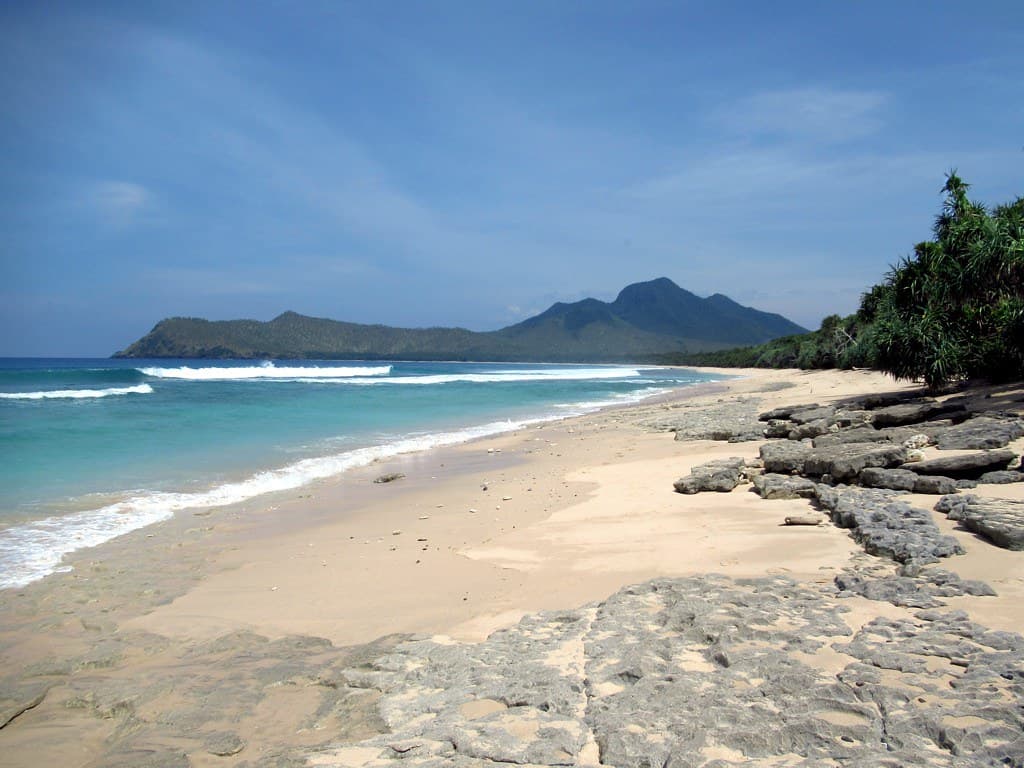
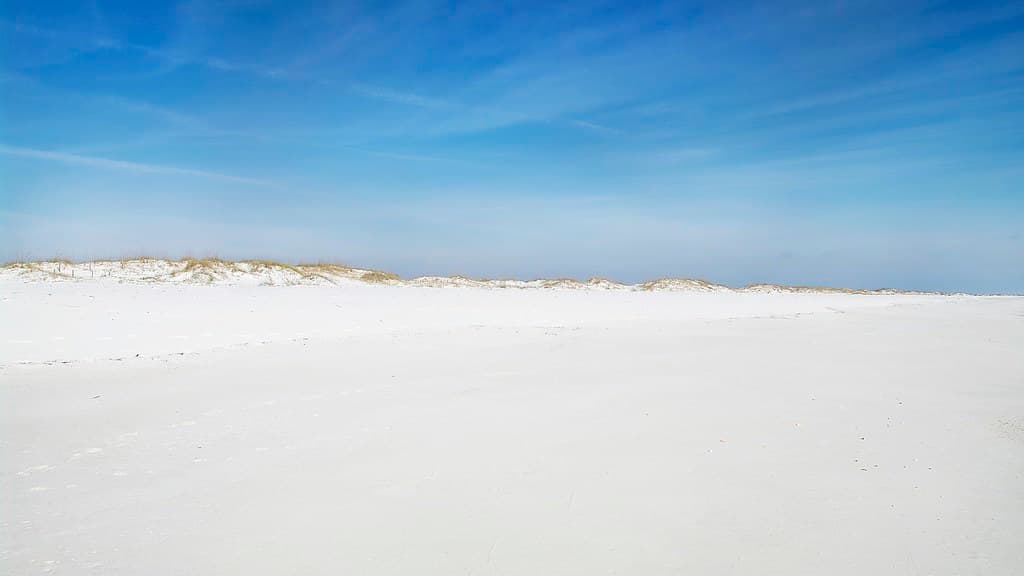
The drive into Baluran feels more Serengeti than Java: grasslands dotted with lontar palms, macaques crossing the dirt track, the occasional sambar deer lifting its head as your vehicle passes. Then the track bends through a grove of pilang trees, and suddenly you're standing on sand so pale it reflects the midday glare like a mirror. Bama Beach occupies a slim corridor between national park wilderness and sea, a place where you can watch green sea turtles paddling past mangrove roots while monkeys forage in the treeline behind you. The reef begins twenty meters offshore, a jumble of table corals and brain formations sheltering butterflyfish, parrotfish, and the occasional reef shark gliding through channels. Visibility hovers around eight meters on calm mornings—not Komodo, but honest snorkeling where you'll share the water with local fishermen checking nets and the odd park ranger on patrol. The sand slopes so gradually that at low tide you walk ankle-deep for what feels like a city block. By late afternoon, the heat softens. Banteng sometimes emerge from the acacia thickets to graze near the shore, their white socks stark against dark hides. You sit beneath a thatched shelter—one of a handful the park maintains—and eat cold nasi bungkus while frigatebirds wheel overhead. The few other visitors pack up early to catch the last park gate hours, leaving you with the sound of small waves folding onto sand and something large moving through the forest you can't quite see.
Places, rentals, tours and events within walking and driving distance of Bama Beach.
Photos
Bama Beach generally offers calm, shallow waters suitable for swimming and snorkeling, especially during dry season when conditions are most stable. The beach is protected within a bay, reducing strong currents. However, always check local conditions before entering the water, as waves can increase during monsoon season. The snorkeling is rewarding with coral formations visible near the rocks, but watch for sea urchins in rocky areas. Bring your own snorkeling gear as rentals aren't always available. Lifeguards aren't typically stationed here, so swim cautiously and stay near shore if you're not a confident swimmer.
Bama Beach can be visited year-round, but April through October offers the best conditions with drier weather, calmer seas, and clearer water for snorkeling. The dry season also provides better visibility of the coastal scenery and nearby Baluran National Park wildlife. November through March brings monsoon rains, which can make the unpaved access road challenging and reduce water clarity. Early mornings offer cooler temperatures and stunning sunrise views. Weekdays are significantly quieter than weekends when local visitors arrive. Consider visiting during weekday mornings in the dry season for the most pleasant experience with fewer crowds.
Bama Beach is located within Baluran National Park, about 35 kilometers north of Situbondo town. From Situbondo, drive north toward Banyuputih, then follow signs to Baluran National Park. After entering the park (entrance fee applies), follow the road to Bama Beach—approximately 12 kilometers from the park entrance. The access road can be rough, particularly after rain, so a sturdy vehicle is recommended. Parking is available near the beach in a designated area. Most visitors combine this beach trip with wildlife viewing in Baluran, so allow extra time for park exploration.
Bama Beach has very limited facilities. Small warungs (local food stalls) occasionally operate near the beach selling simple Indonesian meals, snacks, and drinks, but availability isn't guaranteed. It's highly recommended to bring your own food, plenty of water, and snacks. There are no accommodations directly at Bama Beach. The nearest lodging options are in Situbondo town, about 35 kilometers away, or Banyuwangi, offering various hotels and guesthouses. Basic facilities like toilets are available near the parking area. Pack out all trash as this is a protected area within the national park.
Bama Beach is considered hidden because it's tucked away inside Baluran National Park, which is better known for its savanna landscapes and wildlife rather than coastal attractions. The beach requires driving through the park's interior, making it less accessible than typical coastal destinations. Its relative remoteness means fewer tourists discover it compared to other East Java beaches. The combination of white sand, clear waters, and backdrop of mangroves and coastal forest creates an unexpectedly pristine beach environment within a national park famous for its 'Africa of Java' savanna. This makes it a rewarding find for adventurous travelers.