Counting the wavesβ¦

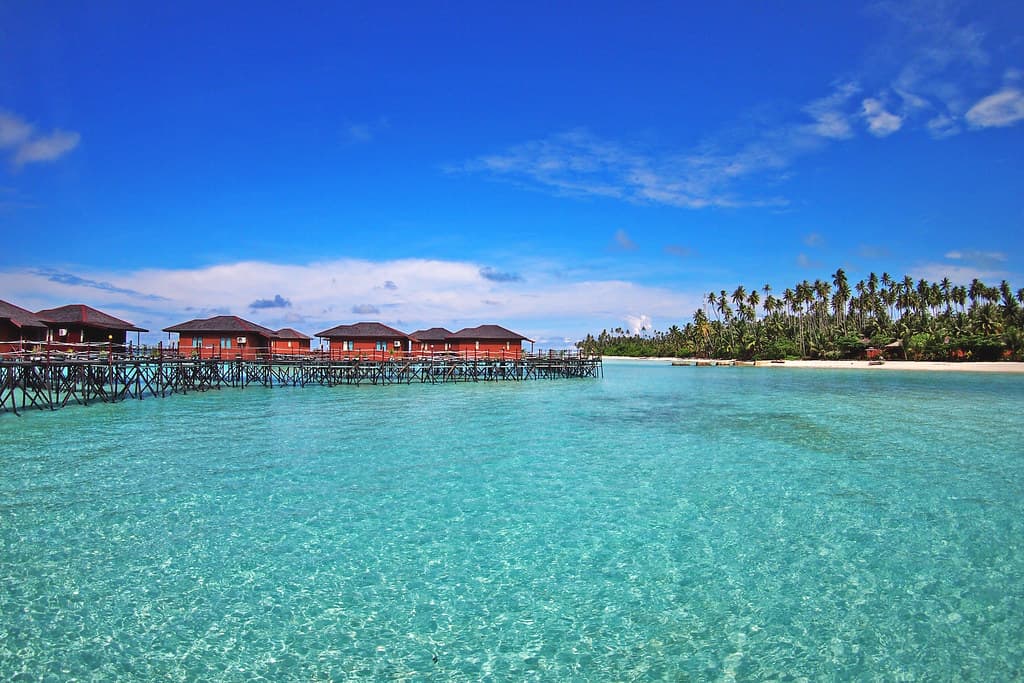
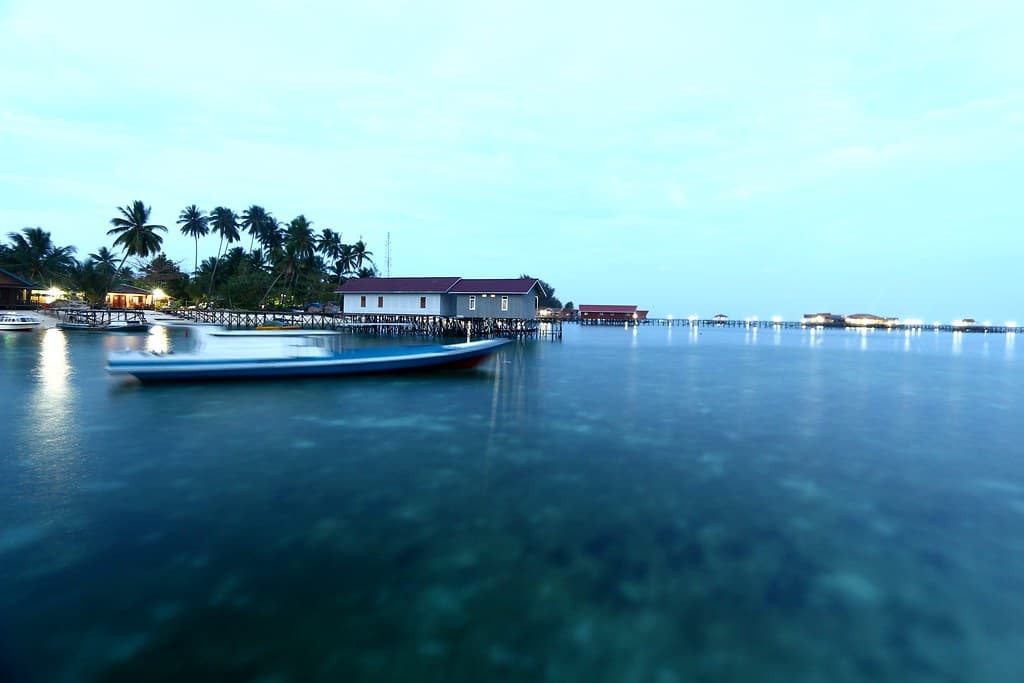
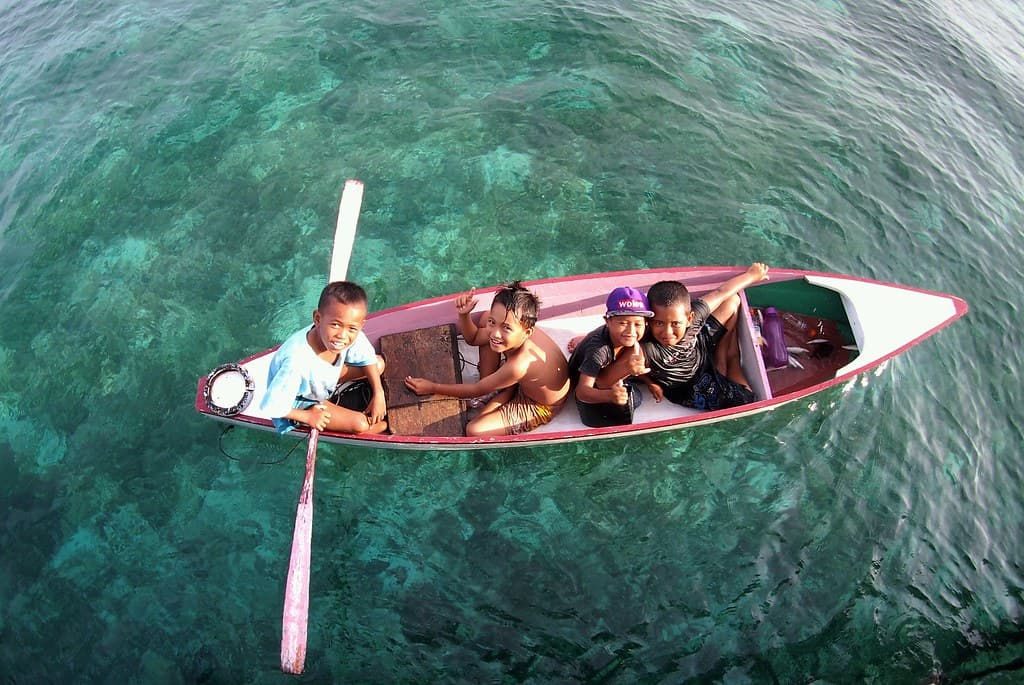
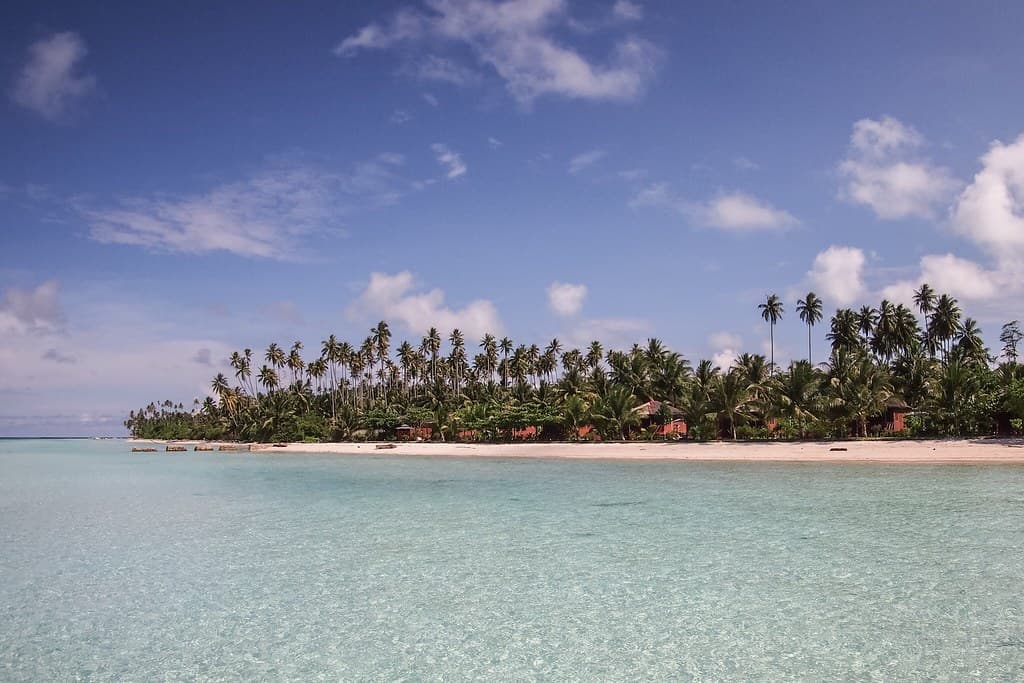
You step off the wooden jetty onto sand the colour of ground clamshells, fine enough to squeak underfoot, and within three strokes you're finning alongside hawksbill turtles grazing the shallow reef. Derawan sits in the Coral Triangle's heart, a low-slung island barely two kilometres long where traditional Bajau stilthouse villages share the coastline with modest guesthouses. The reef edge drops a stone's throw from shore, close enough that you leave your towel on the beach and return twenty minutes later breathless from chasing schools of fusiliers. The island wears its fame lightly. Fishermen paddle dugout canoes at dawn while you sip thick Sumatran coffee on a sun-bleached dock, planning your third snorkel of the day. The west coast offers the calmest entry points, where the sand slopes gently and brain corals the size of dining tables anchor gardens of staghorn and leather coral. Between dives to nearby Sangalaki and Kakaban, you'll find that Derawan's house reef delivers more marine encounters per hour than destinations ten times its size. Evening brings a ritual: wade knee-deep as the tide recedes, headlamp scanning the shallows for juvenile blacktip reef sharks and blue-spotted stingrays hunting in the tidal pools. The Makassar Strait current keeps visibility sharp year-round, though September through November offers the glassiest conditions and the heaviest manta aggregations at neighbouring sites.

Places, rentals, tours and events within walking and driving distance of Derawan Island Beach.
Photos
Derawan Island Beach is generally safe for swimming and snorkeling, with calm, shallow waters protected by surrounding reefs. The beach features gentle currents ideal for beginners. Visibility is excellent most of the year, making it perfect for observing marine life including sea turtles and manta rays. However, always check local conditions before entering the water, wear reef-safe sunscreen to protect the ecosystem, and consider hiring a local guide for snorkeling trips to less familiar areas. Life jackets are available for rent at most dive shops.
Derawan Island Beach can be visited year-round due to its equatorial location, with water temperatures consistently warm at 27-30Β°C. The dry season from April to October offers the best conditions with calmer seas, ideal for diving and snorkeling. March to June is particularly excellent for spotting manta rays. The wet season (November to March) brings occasional rain showers but rarely disrupts activities for extended periods. Water visibility remains good throughout the year, though slightly better during dry months.
Reaching Derawan Island requires multiple transport connections. Fly to Berau (Kalimarau Airport) from Jakarta, Balikpapan, or Surabaya. From Berau, take a 2-3 hour taxi or minivan to Tanjung Batu port (approximately 110km). Then board a speedboat to Derawan Island, which takes 30-45 minutes. Boat schedules depend on weather and passenger numbers; morning departures are most common. Many visitors arrange transportation packages through resorts or tour operators. Once on the small island, no vehicles are needed as it's easily walkable.
Derawan Island offers accommodation ranging from budget homestays to mid-range resorts, most located near the beach with ocean views. Popular options include waterfront bungalows and guesthouses with basic amenities. Advanced booking is recommended, especially during peak season. Dining options consist mainly of small local warungs (eateries) and resort restaurants serving fresh seafood and Indonesian cuisine. Many accommodations include meal packages. The island has limited shops, so bring essentials from the mainland. ATMs are scarce; carry sufficient cash for your stay.
Yes, Derawan Island is renowned for frequent sea turtle sightings, particularly green and hawksbill turtles. You can often spot them while snorkeling right off the beach, especially during early morning or late afternoon. The island hosts a turtle conservation project, and nesting females come ashore at night to lay eggs. Some resorts offer guided night turtle-watching tours. The calm waters and healthy seagrass beds attract turtles year-round, making Derawan one of Indonesia's most reliable locations for observing these endangered creatures in their natural habitat.