Counting the waves…
Counting the waves…

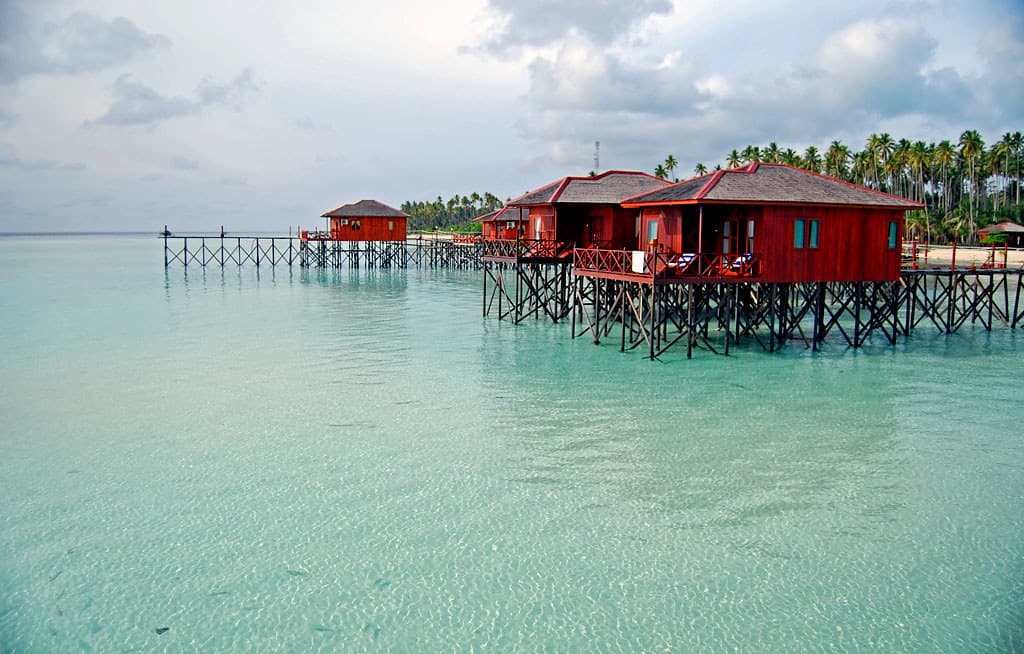
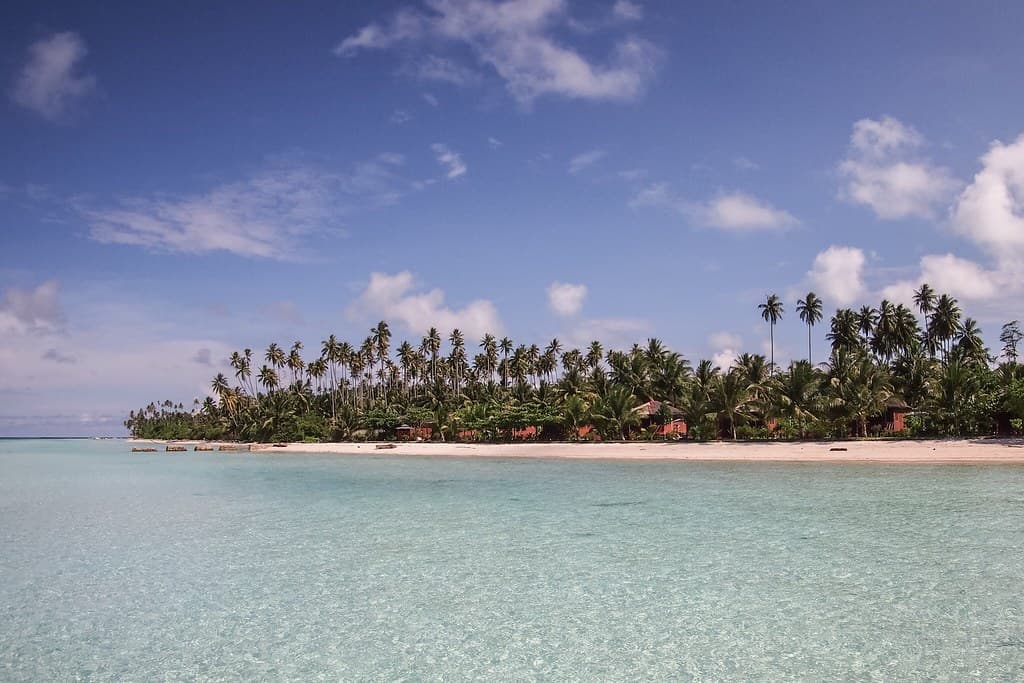
The journey to Maratua demands commitment—a flight from Balikpapan to Berau, then a second hop on a Twin Otter that touches down on a runway bordered by mangroves and open ocean. You step onto sand so white it stings your eyes, the kind pulverized by centuries of coral and shell. The island curves like a boomerang, enclosing a lagoon where the water shifts from jade to sapphire depending on the depth of the reef below. Most visitors come for what lies beneath. The house reef begins five strokes from shore, a living wall that plunges hundreds of feet into the Celebes trench. You'll drift past barrel sponges the size of oil drums, schools of barracuda forming silver curtains, and green sea turtles grazing on algae-covered bommies. Dive operators run trips to Kakaban, a nearby island cradling a landlocked lake filled with stingless jellyfish, and to Sangalaki, where manta rays glide through cleaning stations like underwater birds. Above water, life slows to the rhythm of tide charts and sunlight filtering through thatch. The handful of resorts—ranging from backpacker bungalows to overwater villas—share the island with Bajau fishing families whose stilt houses cling to the reef's edge. Evenings arrive in shades of tangerine and violet, the horizon unmarred by landmass, only the faint silhouette of neighboring atolls dissolving into dusk.
Places, rentals, tours and events within walking and driving distance of Maratua Island Beach.
Photos
Maratua Island Beach generally offers safe swimming and snorkeling conditions, with calm, clear waters ideal for exploring coral reefs. The protected lagoon areas are particularly suitable for beginners. However, always check local conditions and be aware of currents, especially near channel openings and during tide changes. The absence of strong waves makes it family-friendly, but marine life like jellyfish can occasionally be present. Snorkeling near the reef drop-offs requires caution due to depth and currents. It's advisable to snorkel with a buddy and inform your resort of your plans.
Maratua Island can be visited year-round, with water temperatures consistently warm for diving and snorkeling. The dry season from April to October typically offers the best visibility underwater and calmer seas, making it ideal for water activities. November to March brings occasional rain and rougher seas, which can affect boat schedules and visibility. However, this period sees fewer tourists and still provides good diving opportunities. Water visibility is generally excellent throughout the year, ranging from 15 to 30 meters, making it a reliable destination regardless of season.
Reaching Maratua Island requires multiple connections. First, fly to Berau (via Balikpapan or direct from Jakarta) in East Kalimantan. From Berau's Tanjung Redeb Airport, take ground transportation to Tanjung Batu port (approximately 2.5 hours). From there, catch a speedboat to Maratua Island, which takes 2-3 hours depending on sea conditions. Some resorts arrange complete transfers for guests. Alternatively, small chartered flights occasionally operate directly to Maratua's airstrip. Book boat transfers in advance, as schedules can be irregular and weather-dependent. No cars are needed on the island itself.
Maratua Island offers accommodation ranging from budget homestays to upscale dive resorts, mostly concentrated along the western shore. Popular options include Maratua Paradise Resort, Nabucco Island Resort, and various locally-run guesthouses. Most resorts operate on full-board or half-board basis, with meals included, as independent dining options are extremely limited. Fresh seafood features prominently in local cuisine. There are few restaurants outside resort properties, and no major supermarkets or convenience stores. Most visitors arrange meals through their accommodation. Book lodging well in advance, especially during peak diving season, as options are limited.
Maratua Island is renowned for its spectacular wall diving and incredible marine biodiversity. The island sits on the edge of a deep oceanic trench, creating dramatic drop-offs where walls plunge thousands of meters. Divers frequently encounter manta rays, sea turtles, schools of barracuda, and occasional whale sharks. The nearby dive sites of Sangalaki and Kakaban islands are famous for stingless jellyfish lakes and manta cleaning stations. The relatively remote location means pristine coral reefs with less damage than more tourist-heavy destinations. With over 30 dive sites nearby, it's considered one of Indonesia's premier diving destinations.