Counting the waves…
Counting the waves…
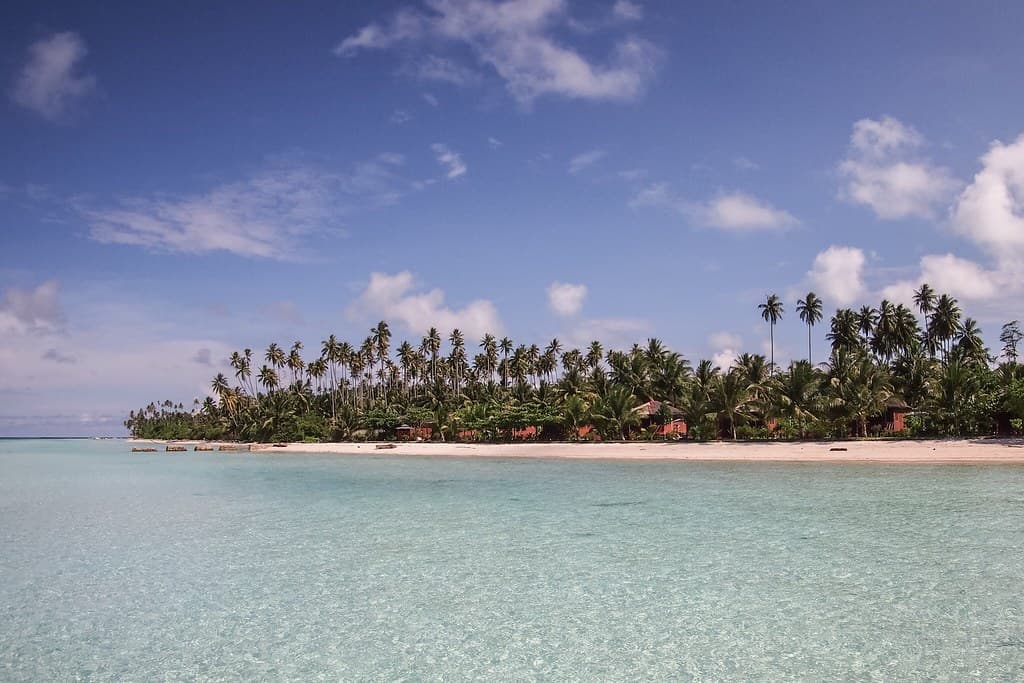
The first thing you notice is the silence. No jet skis, no beach clubs—just the rhythmic slap of wooden outriggers against the tide and the occasional call of a hornbill from the forest edge. Biduk-Biduk unfolds in a gentle crescent where the Borneo mainland meets the Sulawesi Sea, its white-sand expanse so fine it clings to your calves like talc. Local fishermen haul in nets at dawn, their silhouettes dark against the rose-gold sky, while children chase hermit crabs into tidal pools that mirror the clouds. Unlike the rocky coasts that dominate much of East Kalimantan, this beach offers wading that extends thirty meters into bathwater-warm shallows. You can float on your back, toes pointed at the canopy of palms, and watch fruit bats trace lazy loops overhead. The village behind the sand—a scatter of stilted houses and warungs serving grilled snapper—operates on island time, though you're firmly on the mainland, hours by road from Tanjung Redeb. Come midweek and you'll share the strand with a handful of families from Berau, picnicking under rented umbrellas. Weekends see a gentle uptick, but the beach absorbs the numbers; there's always a stretch of sand to call your own. As the sun dips, the water turns molten copper, and the smoke from satay grills drifts over the tideline—a scent that's half charcoal, half lemongrass, entirely unhurried.
Places, rentals, tours and events within walking and driving distance of Biduk-Biduk Beach.
Photos
Biduk-Biduk Beach is generally considered safe for swimming and family-friendly, featuring calm, shallow waters protected by offshore islands. The gentle waves and gradual slope make it suitable for children. However, always exercise caution during high tide or rough weather conditions. Local boat traffic can be present as fishermen use the area, so supervise children closely. The white sand beach is clean and well-maintained. As with any beach, avoid swimming alone and check local conditions before entering the water.
Biduk-Biduk Beach can be visited year-round due to East Kalimantan's tropical climate, though conditions vary seasonally. The dry season from April to October typically offers the best weather with calmer seas, less rainfall, and better visibility for nearby island hopping. The wet season (November to March) brings more frequent rain showers but still has pleasant days. Avoid peak Indonesian holidays if you prefer fewer crowds. Water temperatures remain warm throughout the year, making swimming comfortable in any season.
Reaching Biduk-Biduk Beach requires a journey from Berau's Kalimarau Airport or Tanjung Redeb town. Travel by road to Tanjung Batu port (approximately 6-8 hours by car), then take a boat to Biduk-Biduk village (1-2 hours depending on sea conditions). Some visitors arrange private transportation or join tours. The road conditions can be challenging, especially during rainy season. Limited parking is available in the village. Alternatively, some tour operators offer combined transport packages from Berau, which can simplify logistics considerably.
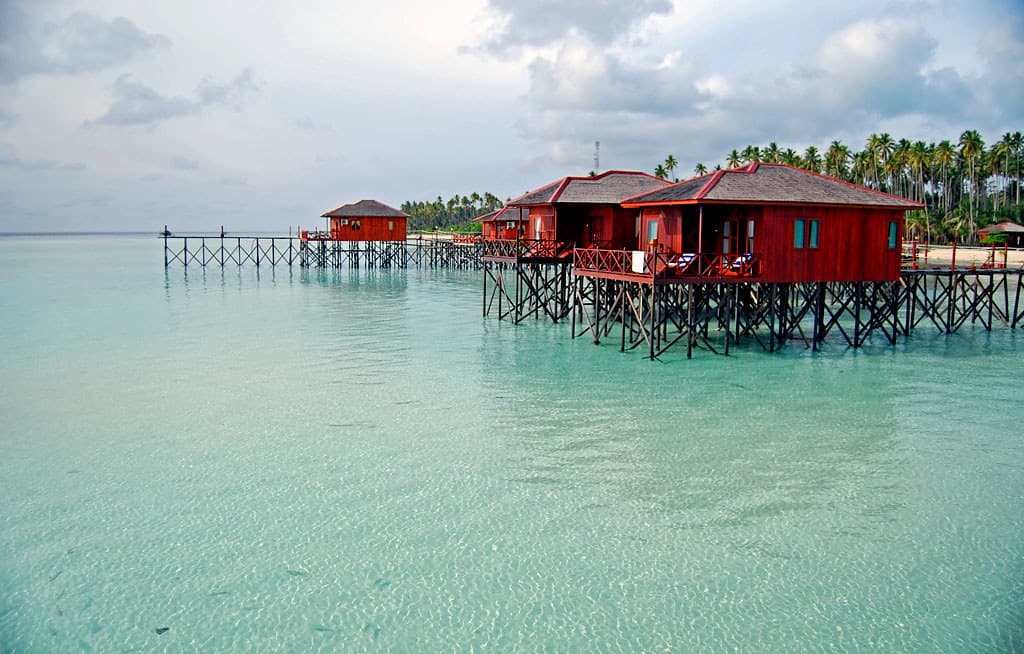
Biduk-Biduk village offers basic homestays and small guesthouses rather than hotels, providing authentic local experiences. Accommodation is simple but generally clean and affordable. Several small warungs (local eateries) serve Indonesian dishes, fresh seafood, and basic meals throughout the day. Don't expect extensive menus or Western food options. Bring cash as ATMs are limited or unavailable. Some homestays can arrange meals with advance notice. For more upscale amenities, visitors typically stay in Berau and make day trips or multi-day excursions.
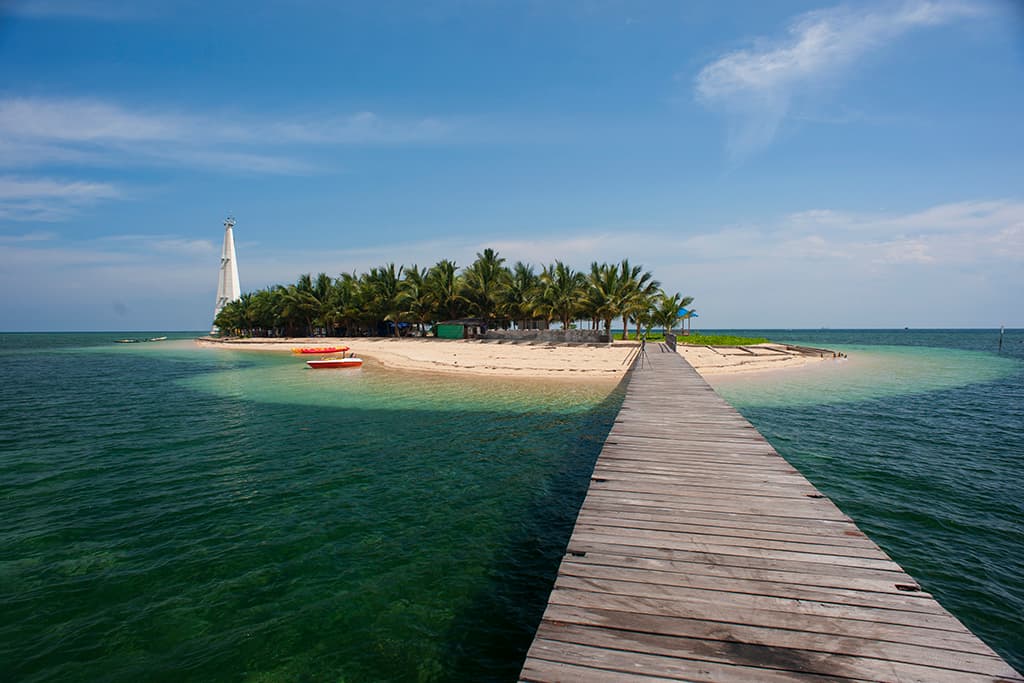
Yes, Biduk-Biduk Beach serves as a gateway to stunning nearby islands including Pulau Sangalaki, Kakaban, and Maratua, which are part of the Derawan Islands archipelago. Local boat operators offer island-hopping tours to see unique attractions like Kakaban's stingless jellyfish lake, Sangalaki's manta rays, and excellent snorkeling spots. Day trips and multi-day tours are available. Prices and schedules vary by season and group size. Arrange tours through your accommodation or local operators in the village for the best experience.