Counting the waves…
Counting the waves…

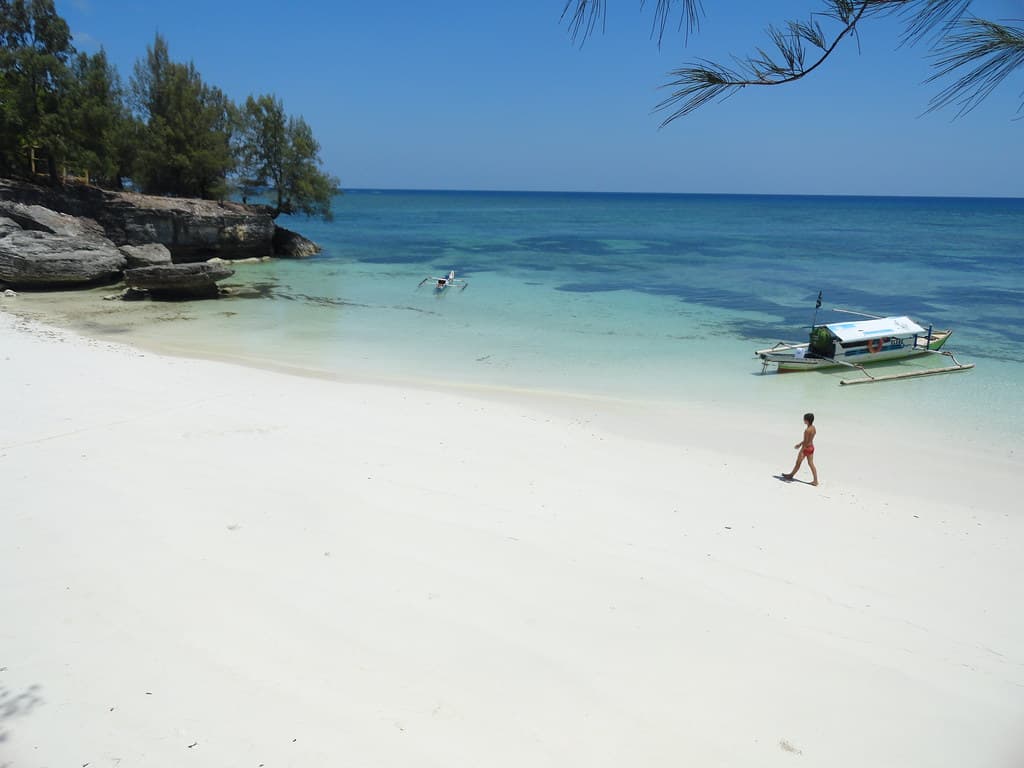
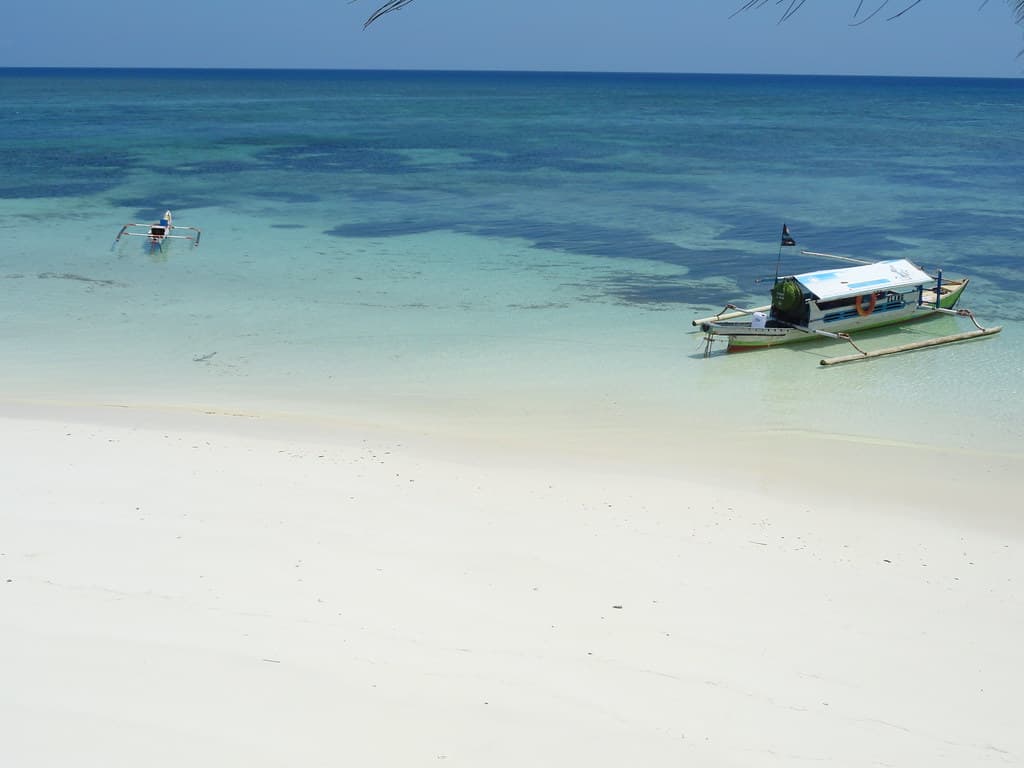
The sand at Liang Beach feels closer to confectioner's sugar than crushed coral—each grain so fine it squeaks beneath bare feet. You arrive to find local families clustered under rented parasols, children shrieking as they chase waves that barely rise above their knees. Behind you, coconut palms lean at improbable angles, their fronds rattling in the breeze that carries the scent of clove and frangipani from the hills. The water temperature hovers eternally at bathwater warmth, its clarity unbroken save for the occasional flash of sergeant majors darting between your legs. Warungs line the access road, their blue tarps flapping as vendors fan charcoal grills piled with skipjack and layang. You'll notice the absence of jet skis and banana boats—this beach moves at a different tempo, one measured in coconut husks bobbing offshore and the lazy arc of a fisherman's net. By late afternoon the light softens to apricot, painting the forested slopes of Seram Island across the strait in shades of violet. Teenagers play volleyball near the southern end while grandmothers wade knee-deep, sarongs billowing. This is Ambon's living room, where Sunday means shared meals on woven mats and the rhythmic thunk of a boat hull being repaired in the shade.
Places, rentals, tours and events within walking and driving distance of Liang Beach.
Photos
Liang Beach is generally safe for swimming, with calm, clear waters protected by the bay. The gentle waves make it suitable for families with children. The white sand beach slopes gradually into the sea, allowing for comfortable wading. Water visibility is typically excellent, which also makes it popular for snorkeling near the rocks. However, always check local conditions upon arrival, as weather can affect wave patterns. Lifeguards may not always be present, so supervise children closely and avoid swimming during rough weather or strong currents.
Liang Beach can be visited year-round due to Ambon's tropical climate, with temperatures consistently around 26-32°C. The drier months from October to March generally offer the best beach conditions with calmer seas and less rainfall, ideal for swimming and snorkeling. The wet season (June-August) brings afternoon showers but mornings are often clear. Weekdays tend to be quieter than weekends when locals visit. Early mornings and late afternoons provide the most comfortable temperatures for sunbathing, while midday can be quite hot and humid.
Liang Beach is located approximately 35-40 kilometers from Ambon city center, about a 1-1.5 hour drive depending on traffic. You can reach it by renting a car or motorcycle, hiring a taxi, or joining organized tours from the city. The route follows the coastal road eastward through several villages. There is parking available near the beach entrance, though facilities are relatively basic. Public transportation options are limited, so most visitors arrange private transport. The journey offers scenic coastal views, making the drive itself part of the experience.
Liang Beach has basic amenities including small warungs (local food stalls) selling Indonesian snacks, fresh coconuts, and simple meals like grilled fish, nasi goreng, and mie goreng at affordable prices. Facilities include basic restrooms and changing areas, though they're fairly simple. There are shaded gazebos and shelters for rent. For more extensive dining or accommodation options, you'll need to return toward Ambon city. It's advisable to bring extra water, snacks, and sun protection, as options on-site are limited compared to more developed beach destinations.
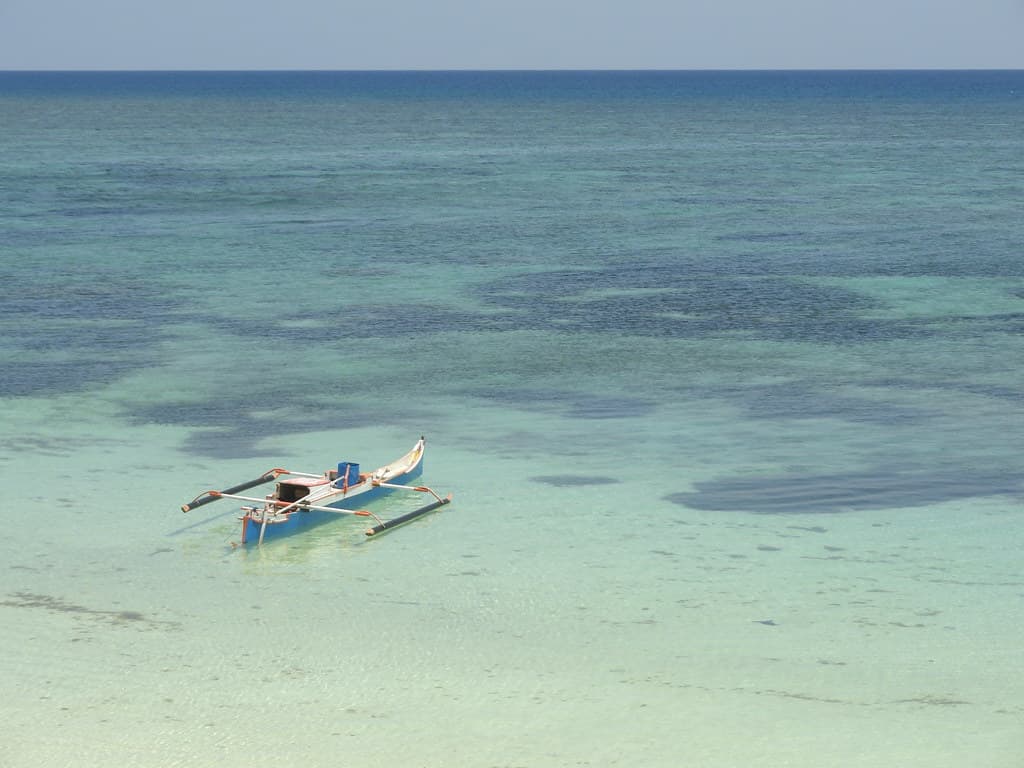
Liang Beach is renowned for having some of the finest white sand in the Maluku region, which distinguishes it from many other beaches in Ambon. The powdery, light-colored sand contrasts beautifully with the turquoise waters and lush green hills surrounding the bay. Its combination of calm swimming conditions, snorkeling opportunities, and family-friendly atmosphere has made it Ambon's most popular beach destination. The beach maintains a more natural, less commercialized feel compared to heavily developed tourist beaches elsewhere in Indonesia, offering an authentic coastal experience.