Counting the waves…
Counting the waves…
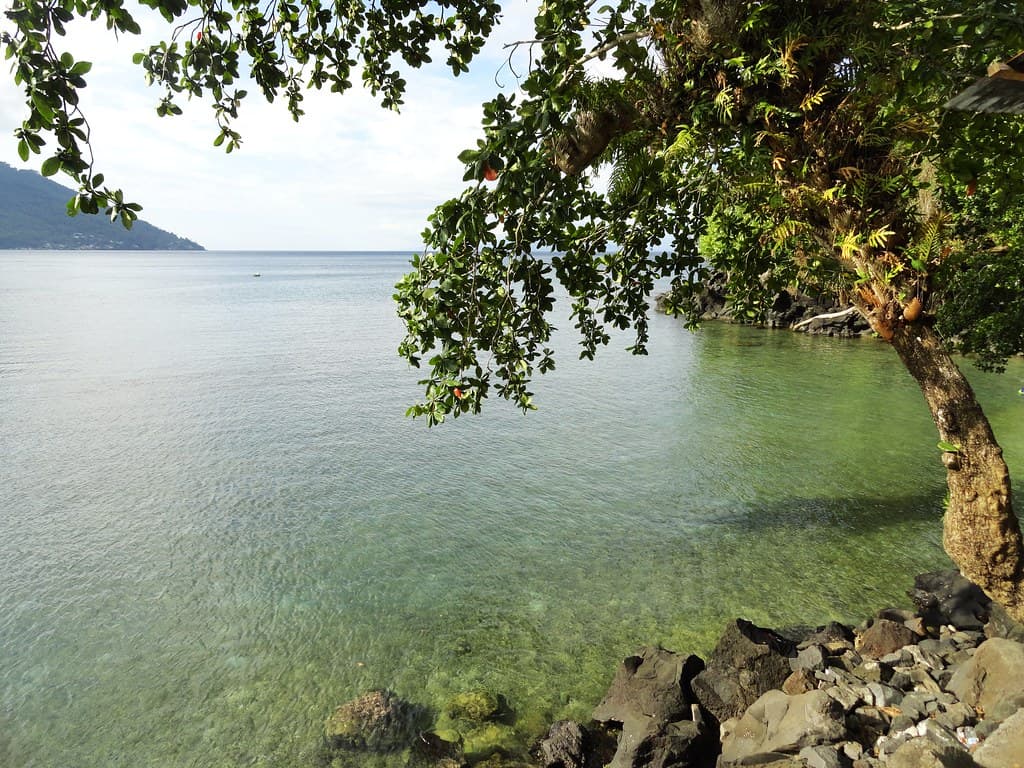
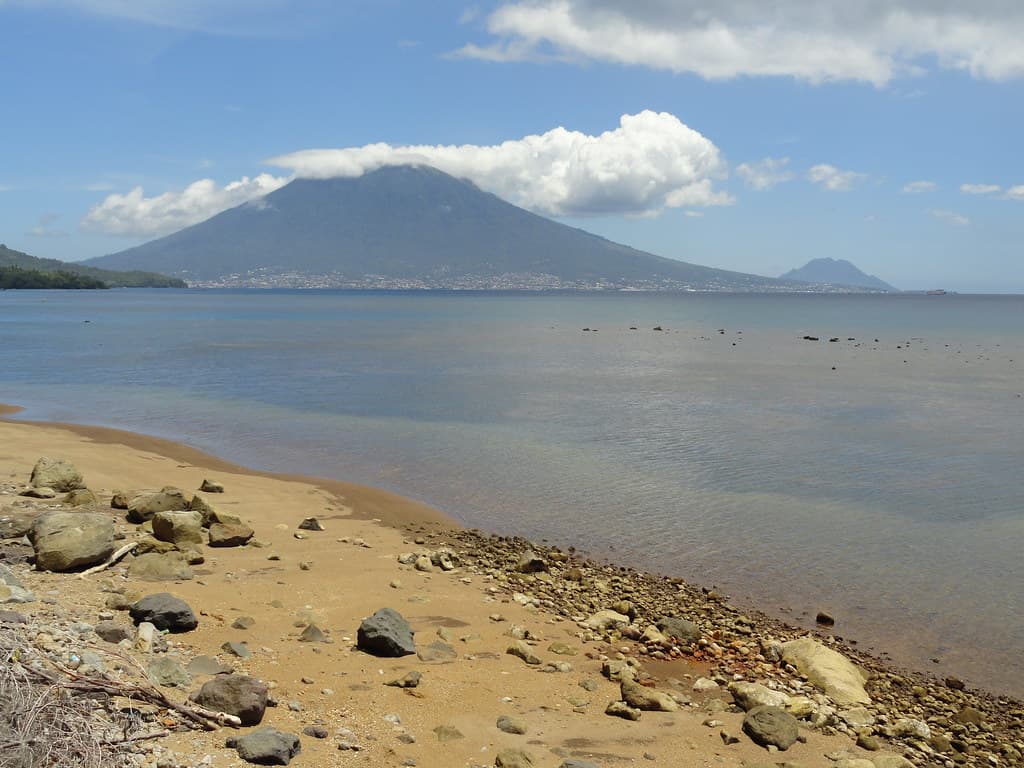
Sulamadaha sits eleven kilometers north of Ternate town, tucked into a shallow indent on the island's eastern coastline. The beach itself is a narrow strip of dark volcanic sand where fishing boats rest on their hulls between morning runs. What draws you here isn't the shore but what lies immediately offshore: a reef shelf that drops abruptly, creating a natural aquarium visible from ankle-deep water. You wade in past a handful of local families and within three strokes find yourself hovering over brain corals the size of washing machines. Sergeant majors stripe past in formation. Triggerfish nose through crevices. The visibility stretches twenty meters on calm days, and the absence of strong currents means you can drift along the reef edge without fighting the pull. Wooden gazebos dot the grass behind the sand, each offering shade and a view of Gamalama's symmetrical slopes rising inland. By late afternoon, when the snorkelers depart and the warungs begin frying fish for dinner, you have the shallows nearly to yourself. The water temperature hovers around twenty-eight degrees year-round. No fins required—just a mask, an hour, and the willingness to float above a world that feels both accidental and essential.
Places, rentals, tours and events within walking and driving distance of Sulamadaha Bay Beach.
Photos
Sulamadaha Bay Beach is generally safe for swimming and snorkeling, with calm, protected waters ideal for beginners and families. The bay's sheltered position reduces strong currents, making it suitable for water activities year-round. The coral reef starts close to shore, allowing easy snorkeling access. However, always check local conditions before entering the water, watch for boat traffic near the dock area, and avoid touching coral to prevent injury. The visibility is typically excellent, and the gentle conditions make it a popular spot for those new to snorkeling.
Sulamadaha Bay Beach can be visited year-round due to Ternate's tropical climate. The driest months typically fall between October and March, offering calmer seas and better underwater visibility for snorkeling. June through August can bring slightly rougher conditions. Weekdays are generally quieter than weekends when local families visit. Morning visits often provide the calmest waters and best light for underwater photography. The beach is less crowded than other Indonesian destinations, so even peak times remain relatively peaceful compared to more tourist-heavy areas.
Sulamadaha Bay Beach is located approximately 15 kilometers north of Ternate city center. You can reach it by renting a scooter or car, or hiring a local taxi or ojek (motorcycle taxi). The journey takes about 30-40 minutes along the coastal road circling the island. There is basic parking available near the beach entrance. The road is generally in good condition, though narrow in sections. Public transportation options are limited, so arrange return transport in advance if using a taxi. Many visitors combine this beach with other stops around Ternate island.
Sulamadaha Bay Beach has basic amenities including simple warungs (local food stalls) serving Indonesian dishes, fresh seafood, and drinks. Facilities are modest compared to resort beaches—expect local-style eateries rather than restaurants. There are basic changing rooms and restrooms available. No formal lodging exists directly at the beach, but accommodation options can be found in Ternate city. It's advisable to bring cash, as card payment may not be accepted. Snorkeling gear can sometimes be rented locally, though bringing your own equipment ensures availability and fit.
Sulamadaha Bay is known for its accessible house reef with vibrant coral gardens starting just meters from shore, making it one of Ternate's best snorkeling spots. The protected bay hosts diverse marine life including colorful reef fish, sea turtles, and healthy coral formations. The proximity of the reef to the beach means no boat is needed—you can simply wade in and start exploring. The relatively undiscovered nature of this spot means less coral damage and more pristine conditions compared to heavily touristed snorkel sites elsewhere in Indonesia.