Counting the waves…
Counting the waves…
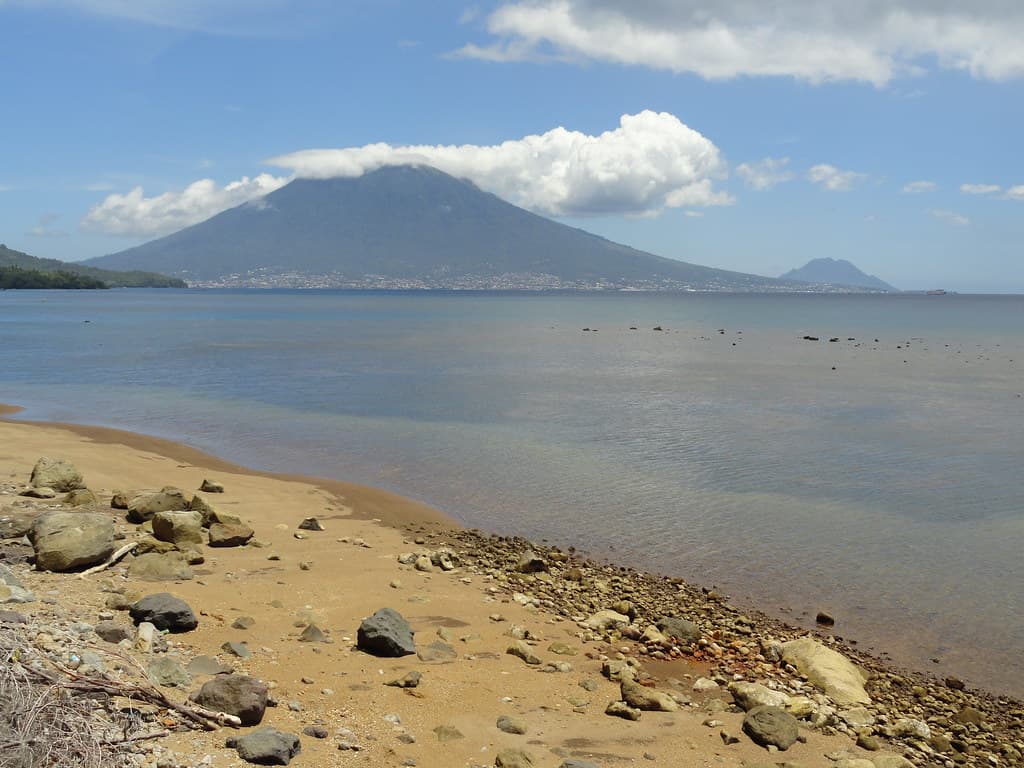
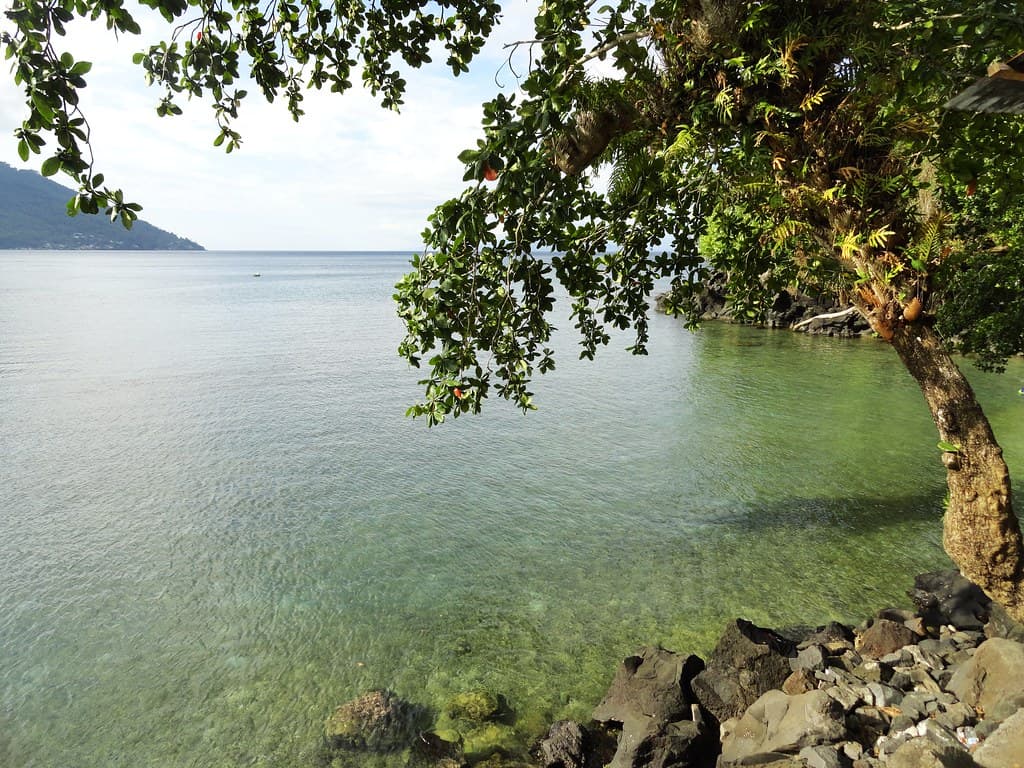
The beach at Weda Bay unfolds in a long, charcoal-hued sweep where the dense rainforest of central Halmahera meets the sea. You'll wade into bathwater-warm shallows that drop abruptly into some of the richest coral gardens in North Maluku—hammerhead sharks cruise the nearby seamounts, and manta rays patrol the outer reefs with balletic precision. The handful of dive operators here treat the bay's underwater topography like a private reserve, because it practically is: you're more likely to share a mooring with a traditional wooden phinisi than a liveaboard full of divers. Above water, life slows to the rhythm of small fishing villages where wooden stilt houses perch along the shoreline. You'll hear the calls to prayer echo across the bay at dawn, and by midmorning, local boats glide past carrying tuna and skipjack. The volcanic sand retains heat underfoot even as afternoon clouds gather over the interior peaks, releasing brief, cooling downpours that leave the air smelling of wet earth and frangipani. The isolation is the point. Weda Bay rewards those willing to trade convenience for immersion in a corner of Indonesia where tourism remains an afterthought. You'll fall asleep to the sound of fruit bats in the papaya trees and wake to kingfishers hunting along the tide line, your only agenda the next drift dive or the slow walk to the village warung.
Places, rentals, tours and events within walking and driving distance of Weda Bay Beach.
Photos
Weda Bay Beach generally offers calm swimming conditions due to its sheltered bay location. The waters are typically gentle with minimal strong currents, making it suitable for most swimmers. However, always assess local conditions before entering the water, as weather patterns can affect wave activity. The beach is relatively remote with limited lifeguard services, so swim with caution and never alone. The area is better known for diving and snorkeling than swimming, with pristine coral reefs offshore that attract marine enthusiasts seeking underwater exploration rather than beach swimming.
Weda Bay Beach can be visited year-round, though April through October generally offers the best conditions with drier weather and calmer seas, ideal for diving and beach activities. November through March brings more rainfall, but temperatures remain warm throughout the year, averaging 25-30°C. The dry season provides better visibility for diving and snorkeling. Since North Maluku experiences less extreme monsoon seasons compared to other Indonesian regions, the beach remains accessible most months. Plan around diving schedules if that's your priority, as local dive operators may have varying seasonal availability.
Reaching Weda Bay Beach requires multiple connections. Fly to Ternate from major Indonesian cities like Jakarta or Makassar, then take a domestic flight or ferry to Halmahera Island, where Weda is located. From Weda town, arrange local transportation via car or motorcycle to the beach areas. The journey is remote and can take a full day or more. Roads may be unpaved in sections. There are no formal parking facilities, but vehicles can typically park near beach access points. Consider arranging transportation through your accommodation, as public transport options are extremely limited.
Weda Bay is a remote destination with very limited tourism infrastructure. A few basic guesthouses and small lodges exist in Weda town and surrounding areas, primarily catering to diving enthusiasts and researchers. Don't expect luxury resorts or extensive dining options. Most accommodations offer simple Indonesian meals, and independent restaurants are scarce. Many visitors arrange full-board packages through dive resorts or eco-lodges that include meals. Stock up on essentials in Weda town before heading to more isolated beach areas. Advanced booking is essential, as accommodation options are minimal.
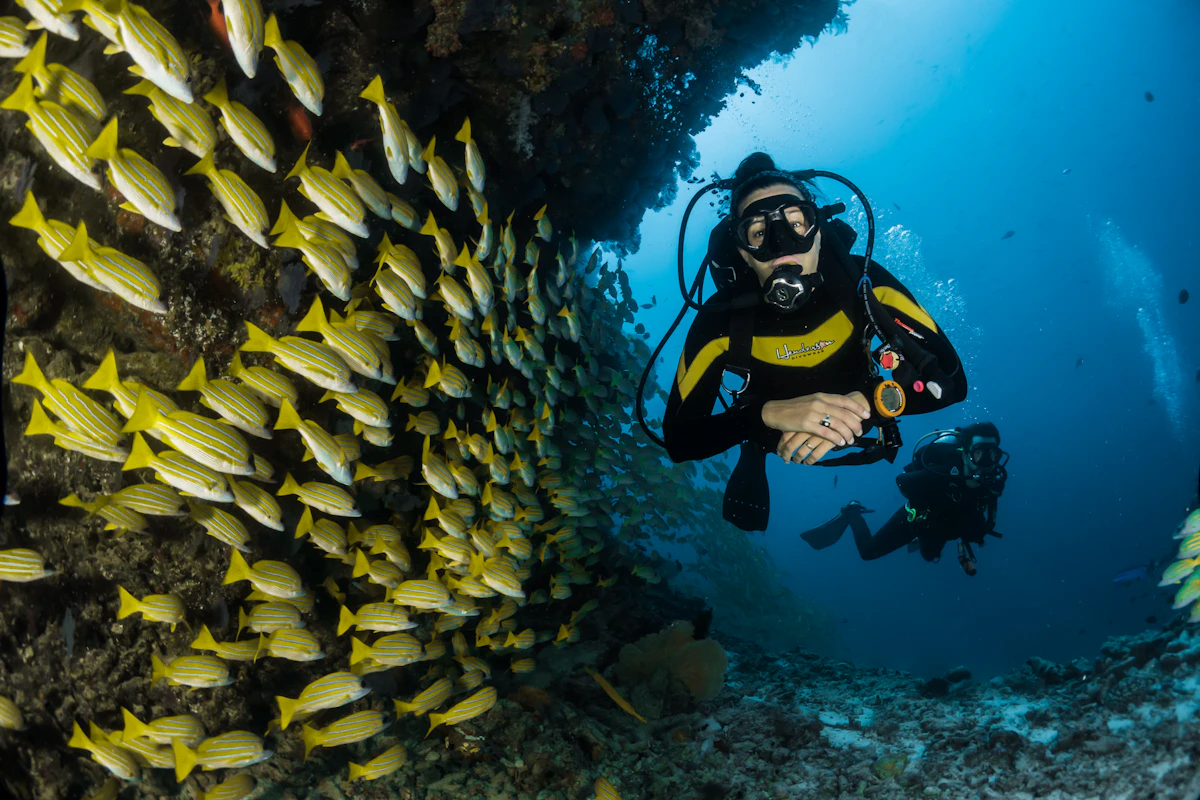
Weda Bay is renowned among divers for its exceptional biodiversity and pristine coral reefs, part of the Coral Triangle—the world's most biodiverse marine region. The bay offers largely untouched dive sites with minimal tourist traffic, featuring healthy hard and soft corals, diverse fish species, and excellent macro life. Divers may encounter rare species including hammerhead sharks, pygmy seahorses, and various reef sharks. The remote location means fewer divers and well-preserved ecosystems. Several dive operators offer trips exploring the bay's numerous dive sites, making it a bucket-list destination for serious divers.