Counting the waves…
Counting the waves…

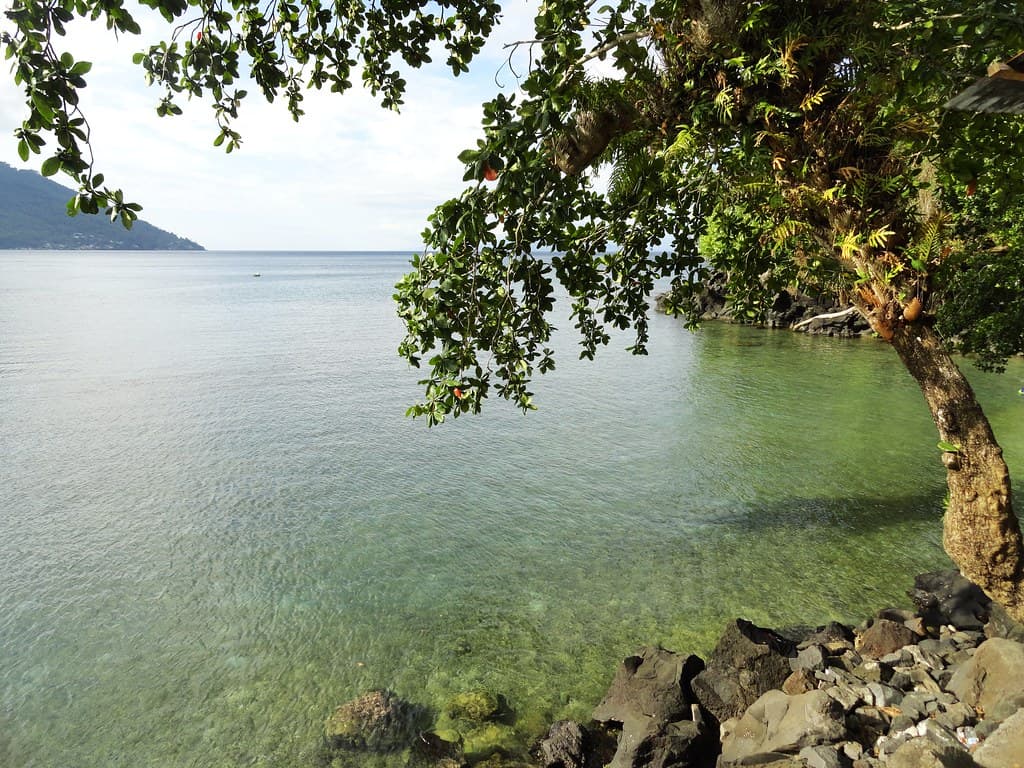
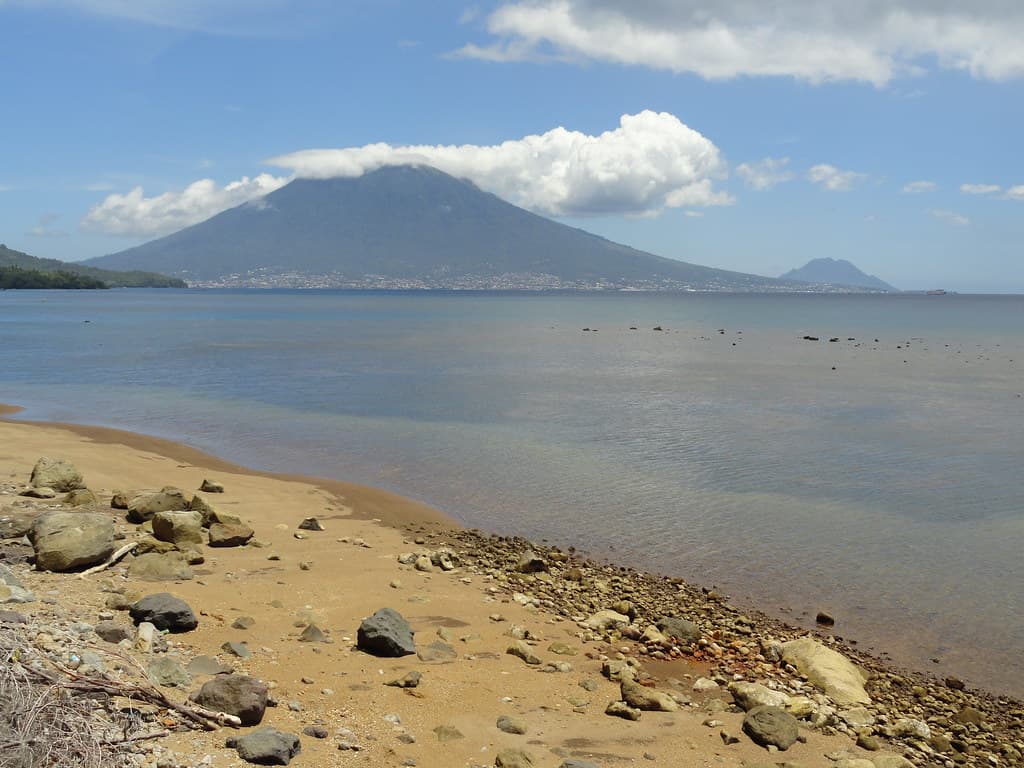
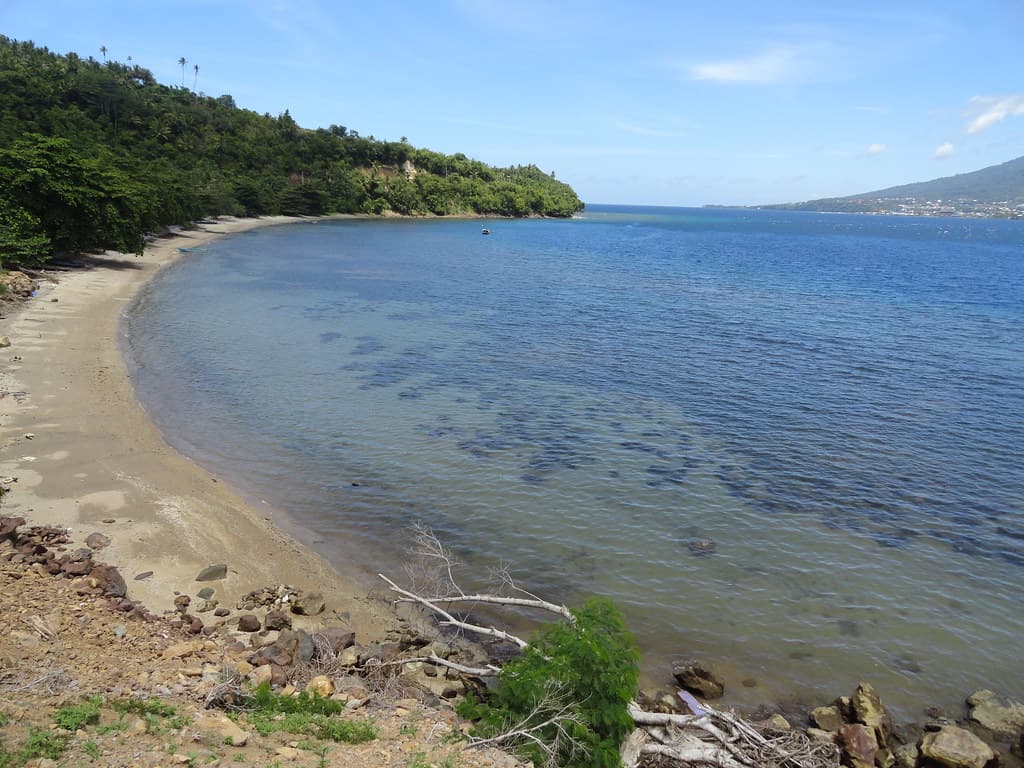
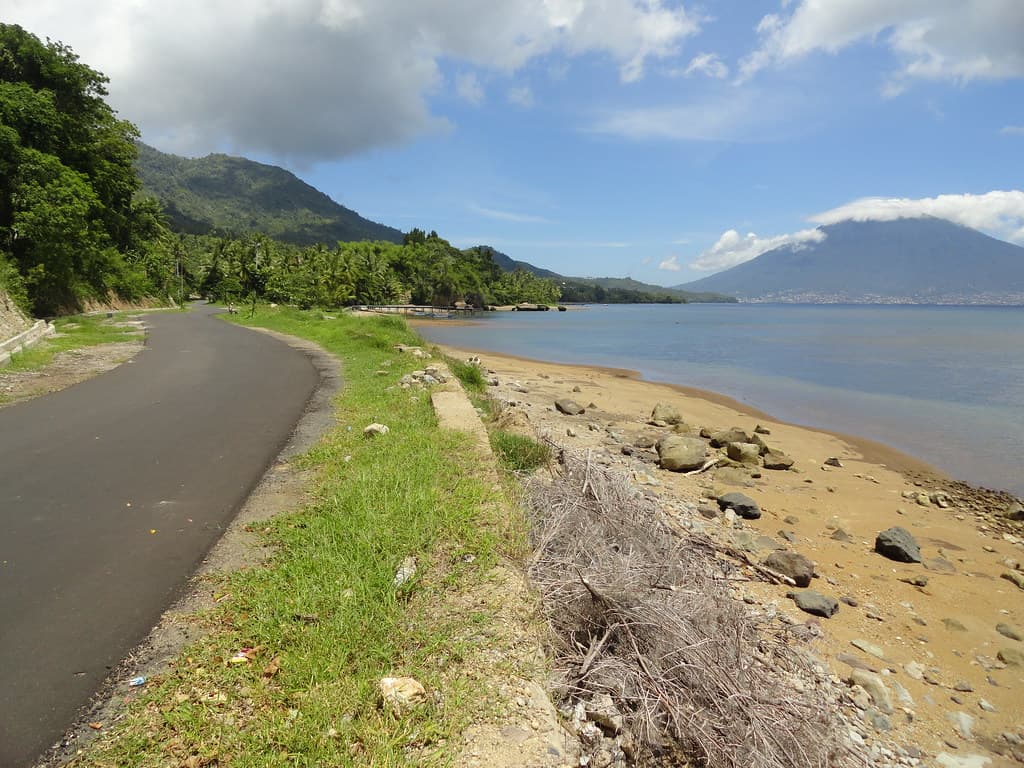
Cobo Beach unfolds along Tidore's northeastern coast, a sweep of charcoal sand hemmed by coconut palms and the green wall of Kie Matubu volcano. The water here is bathwater-warm, sheltered enough for children to wade while their parents spread mats under the casuarina trees. Fishing prahu rest on the strand, their outriggers casting long shadows as fishermen mend nets in the shade. The scent of grilling ikan bakar drifts from roadside warungs by midday, mixing with the ever-present perfume of cloves drying on tarps in nearby villages. This is Tidore's living-room beach, the place where errands pause and conversations stretch. You'll share the sand with schoolkids in uniform, vendors selling es kelapa muda, and grandmothers keeping watch from benches beneath the trees. The slope is gentle, the waves mere ripples, and the view reaches across the strait to Halmahera's mountainous profile. Stay through the evening and you'll understand why families arrive by motorbike just before five. The sun drops behind Tidore's volcanic cone, backlighting the palms and turning the Molucca Sea into a sheet of hammered bronze. It's a daily ritual here, this gathering at the waterline—not a postcard moment, but the unhurried rhythm of island life where the beach belongs to everyone.
Places, rentals, tours and events within walking and driving distance of Cobo Beach.
Photos
Cobo Beach generally offers calm waters suitable for swimming, making it popular with families. The beach faces relatively sheltered waters, though conditions can vary with tides and seasons. As with any beach in Indonesia, check local conditions before entering the water and be aware of currents. The beach's family-friendly reputation suggests generally safe swimming, but always supervise children closely. Ask local vendors or nearby residents about current conditions, as they'll have the most up-to-date information about tides and any temporary hazards.
Cobo Beach can be visited year-round, though North Maluku's dry season (October to March) typically offers the most reliable weather. The region experiences tropical climate with occasional rainfall throughout the year. For sunset viewing—one of the beach's main attractions—late afternoon visits are ideal, typically between 5-6 PM depending on season. Weekday visits may offer a quieter experience compared to weekends when local families frequent the beach. Morning visits provide good conditions for swimming before afternoon heat peaks.
Cobo Beach is located on Tidore Island, accessible by ferry from Ternate Island. Once on Tidore, the beach is reachable by local transport including ojek (motorcycle taxis) or rental car from the main town. The journey involves coastal roads with scenic views. Parking availability exists near the beach area, though facilities may be informal. Given Tidore's smaller tourism infrastructure compared to major Indonesian destinations, arranging transport through your accommodation is recommended for easier access and local guidance.
Cobo Beach typically has small local warungs (food stalls) selling Indonesian snacks, fresh coconuts, and simple meals, especially during peak visiting hours and weekends. Facilities are generally basic compared to major tourist beaches. For more dining variety and accommodation, Tidore's main town offers guesthouses and local restaurants serving Maluku cuisine. As Tidore has limited tourist infrastructure, many visitors stay in Ternate and make day trips. Bring essentials like sunscreen and water, as amenities directly at the beach may be minimal.
Cobo Beach holds significance as one of Tidore's key coastal locations in a region steeped in spice trade history. Tidore was historically one of Indonesia's powerful sultanates, rivaling Ternate in the clove trade that attracted European powers. While specific historical details about Cobo Beach itself should be verified locally, the beach represents Tidore's coastal heritage and offers views of the surrounding islands that were central to historical maritime routes. Local residents can often share stories connecting the beach to the island's cultural traditions.