Counting the wavesβ¦
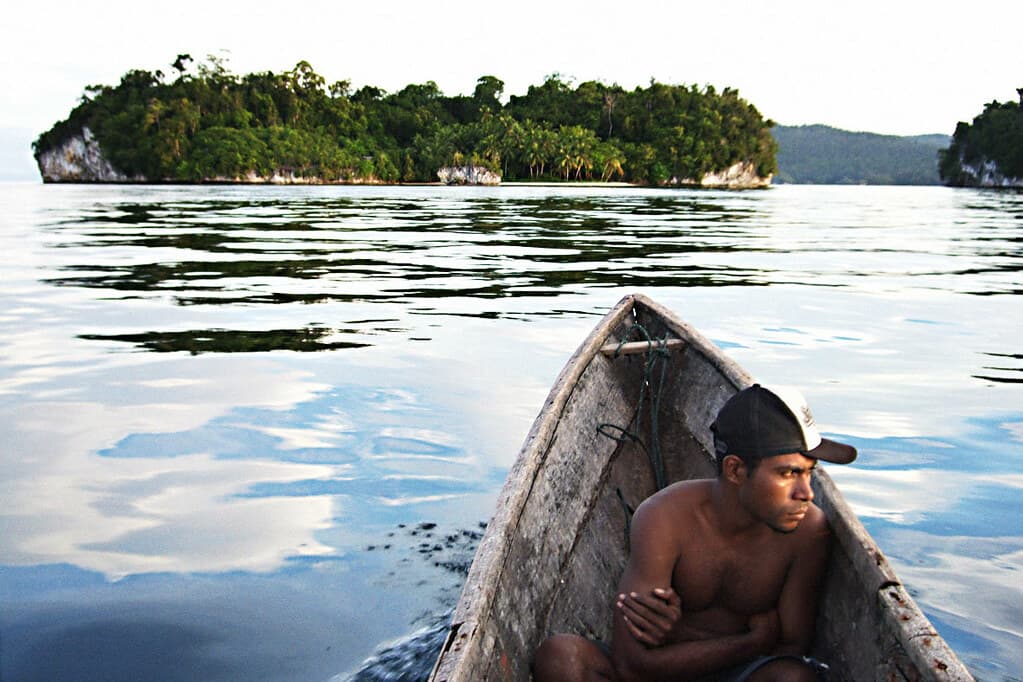
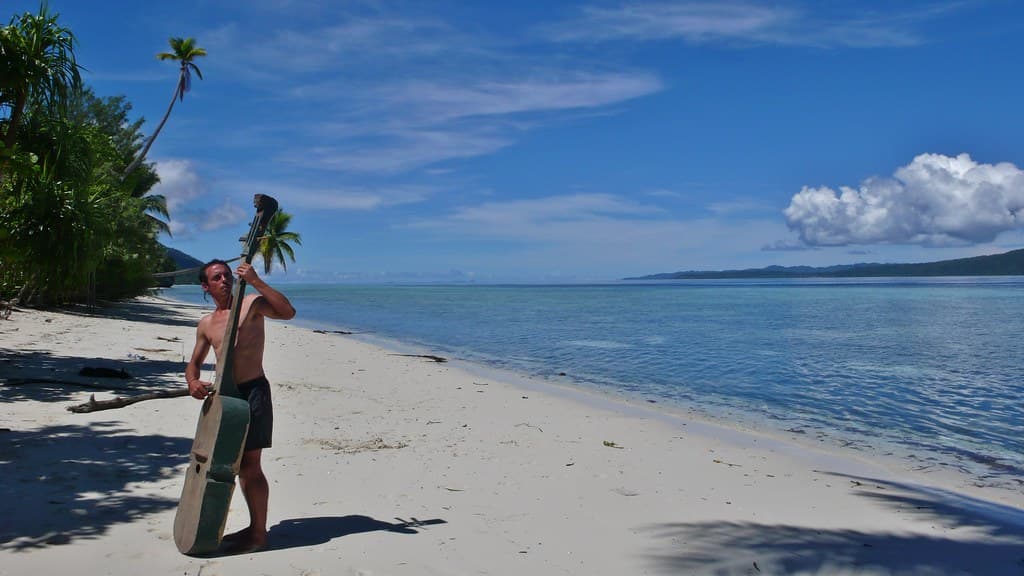
The longboat curves around a headland draped in vegetation, and suddenly there it is: a 200-meter ribbon of coral sand pressed against the base of a towering karst wall. You wade ashore into ankle-deep water that stays bathtub-warm year-round, the bottom a mosaic of broken shell and smooth stone. Behind the beach, the forest grows so close that orchids dangle within arm's reach, their roots gripping the limestone like arthritic fingers. Most Raja Ampat itineraries chase the famous viewpoints and dive sites, leaving Yengkaweh to the occasional fishing canoe and the Papuan families who know its reefs hold schools of juvenile snappers. You'll find no vendors, no signs, no Wi-Fiβjust a few coconut palms listing seaward and the steady percussion of fruit bats roosting in the canopy. The water off the eastern end shelves quickly into a reef garden where you can drift alongside parrotfish the size of house cats. The beach faces southwest, catching every breath of afternoon wind but staying protected enough that the surface rarely builds chop. By four o'clock, the light turns syrupy and the karst walls glow ochre. If you stay past dusk, the forest erupts: cicadas, tree frogs, the occasional rustle of a cuscus making its rounds. Then the stars emerge, unblurred by a single electric bulb.
Places, rentals, tours and events within walking and driving distance of Yengkaweh Beach.
Photos
Yengkaweh Beach generally offers calm swimming conditions due to its sheltered location in Raja Ampat's protected waters. However, conditions vary with tides and seasons. Always check with local guides about currents before swimming, as some Raja Ampat beaches can experience unexpected currents. The beach's remote nature means no lifeguards are present. The coral reef ecosystem nearby makes water shoes advisable to protect both your feet and the fragile marine environment. Snorkeling is typically safer closer to shore during calm conditions.
Raja Ampat is visitable year-round, with October through April generally offering calmer seas and better visibility for snorkeling and diving. May through September brings windier conditions and occasional rain, though the region lacks a severe monsoon season. Water temperatures remain warm throughout the year. Since Yengkaweh Beach is often missed by tourists, it tends to be quieter even during peak season. For the best experience, plan your visit during the drier months while coordinating with boat schedules from your accommodation.
Accessing Yengkaweh Beach requires boat transport, as roads don't reach this remote location in Raja Ampat. Most visitors arrange transportation through their guesthouse or resort, typically departing from Waisai or nearby islands. The journey time varies depending on your starting point but expect 30 minutes to several hours by boat. Some liveaboard diving trips may include stops at lesser-known beaches like Yengkaweh. There are no parking facilities. Coordinate return boat pickups in advance, as scheduled transport to remote beaches is limited.
Yengkaweh Beach has minimal to no facilities directly onsite, reflecting its status as a hidden, uncommercial destination. Visitors should base themselves in nearby Raja Ampat accommodations in Waisai, Kri Island, or other developed areas, then arrange day trips. Bring your own food, water, and supplies for beach visits, as no restaurants or shops are available. Some tour operators provide packed lunches. Homestays on surrounding islands offer the closest lodging, though specific availability near Yengkaweh varies and should be researched in advance.
Yengkaweh Beach remains off most tourist itineraries because it lacks the name recognition of Raja Ampat's famous spots like Pianemo or Pasir Timbul. Its remote location requires dedicated boat arrangements rather than being on standard tour routes. Limited online information and the absence of facilities mean fewer visitors discover it. This hidden status actually preserves its pristine, uncrowded nature. Tour guides familiar with lesser-known locations can include Yengkaweh in custom itineraries, offering travellers seeking authentic, quiet beach experiences an alternative to busier destinations.