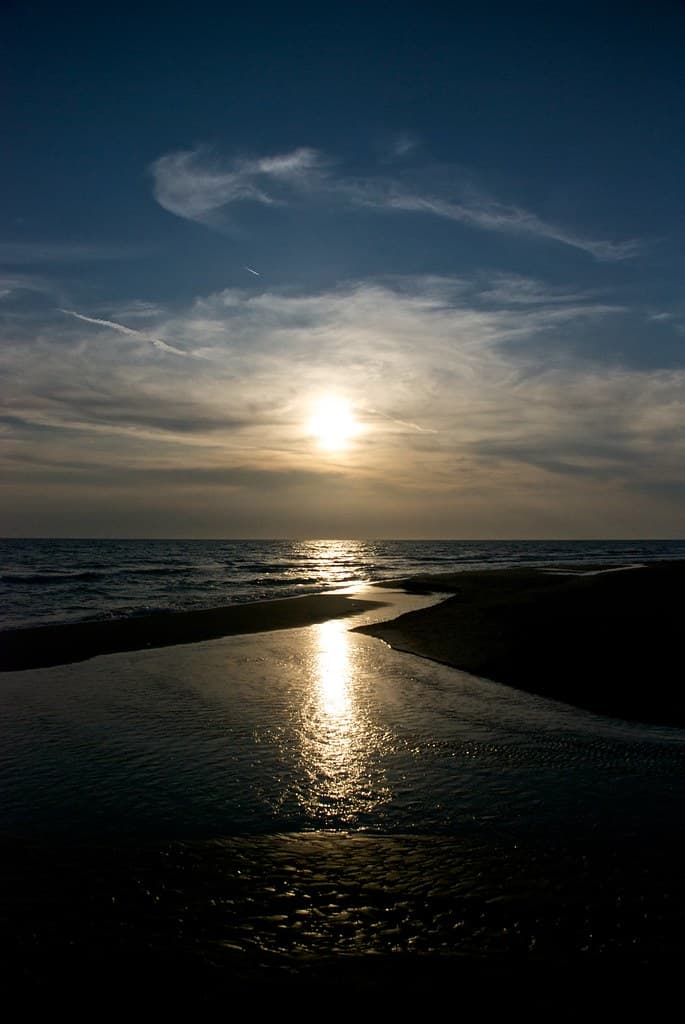
Counting the waves…
Counting the waves…
The path from the parking area leads you through maritime pines, their needles soft underfoot, their trunks releasing perfume in the midday heat. You emerge onto a beach that feels miles from Rome, though the city sits just forty minutes inland. The sand here is fine and pale, stretching in both directions beneath dunes held together by scrub grasses and wild fennel. There are no rows of rented loungers, no beach clubs broadcasting commercial radio—just bodies scattered across the shore in loose constellations, claiming their territory for the day. Capocotta has drawn Rome's free-spirited beachgoers since the 1960s, when this stretch of coast became the city's unofficial zone of tolerance. You'll see couples sunbathing without tan lines, groups of friends playing paddleball in the shallows, solo visitors reading novels beneath umbrellas they've carried from the car. The crowd skews LGBTQ-friendly, body-positive, and refreshingly indifferent to the performed glamour of other Italian beaches. People nod as they pass but mostly leave you alone—the unspoken agreement here is space and respect. The Tyrrhenian Sea rolls in steady and warm, foaming white over the shallow offshore sandbar before flattening into knee-deep transparency. Behind the beach, the Capocotta dunes form part of a protected nature area; if you walk inland, you'll find wetland pools where herons hunt and bike paths cutting through the umbrella pines. This is Rome's escape valve, where the city sheds its formality and its residents claim a different kind of freedom.
Places, rentals, tours and events within walking and driving distance of Capocotta Beach.
Photos
Capocotta Beach is generally safe, though its remote, undeveloped nature requires some preparation. The beach is part of a protected natural area with limited facilities and no lifeguard services. Swimming conditions are typically good with sandy bottoms, but exercise standard ocean caution. The beach has designated naturist sections, so visitors should be aware of this before arriving. While the atmosphere is welcoming and respectful, maintain awareness of your belongings as the isolated location can attract occasional petty theft. Bring all necessary supplies including water, food, and sun protection, as services are minimal compared to developed beach resorts.
Capocotta Beach is quietest during weekdays, particularly outside the July-August peak season. Late May, June, and September offer warm weather with fewer visitors. The beach attracts a dedicated following year-round, including naturists and LGBTQ+ visitors seeking its accepting atmosphere, but winter months see significantly fewer people. Early mornings and late afternoons tend to be less busy even in summer. Because it requires more effort to reach than Ostia's main beaches, Capocotta naturally avoids some of the intense crowds found elsewhere along the Roman coast, though its reputation means it's never completely unknown.
Capocotta Beach is located about 30 kilometers southwest of Rome within the Litorale Romano State Nature Reserve. By car, take Via Cristoforo Colombo toward Ostia, then follow Via Litoranea south toward Torvaianica; parking areas are along the road. Public transport is more challenging: take Metro Line B to Laurentina, then ATAC bus 07 toward Cristoforo Colombo/Acilia, though you'll still face a walk through the nature reserve to reach the beach. Cycling is popular, with bike paths from Ostia. The beach requires walking through dunes from parking areas, so pack light and wear appropriate footwear.
Capocotta Beach has minimal facilities, reflecting its natural, undeveloped character. There are typically one or two small beach bars or kiosks during summer offering basic refreshments, snacks, and perhaps simple meals, but services are limited compared to commercial beaches. No beach clubs, umbrella rentals, or organized facilities exist here. Visitors should bring their own food, water, and beach equipment. Restroom facilities may be basic or portable toilets only. For proper restaurants and shops, head to nearby Ostia or communities along the coast. This lack of development is precisely what attracts visitors seeking a more natural, free-spirited beach experience.
Capocotta Beach is recognized as one of Italy's most established naturist beaches and a welcoming space for the LGBTQ+ community. Its free-spirited atmosphere developed over decades, creating an accepting environment where visitors can sunbathe nude (in designated sections) and express themselves freely. The beach's protected natural setting within a coastal reserve adds to its appeal, offering wild dunes and Mediterranean vegetation rather than resort development. This combination of tolerance, natural beauty, and proximity to Rome has made Capocotta an important cultural space along the Italian coast, attracting both locals and international visitors seeking an alternative to traditional beach experiences.