Counting the waves…
Counting the waves…
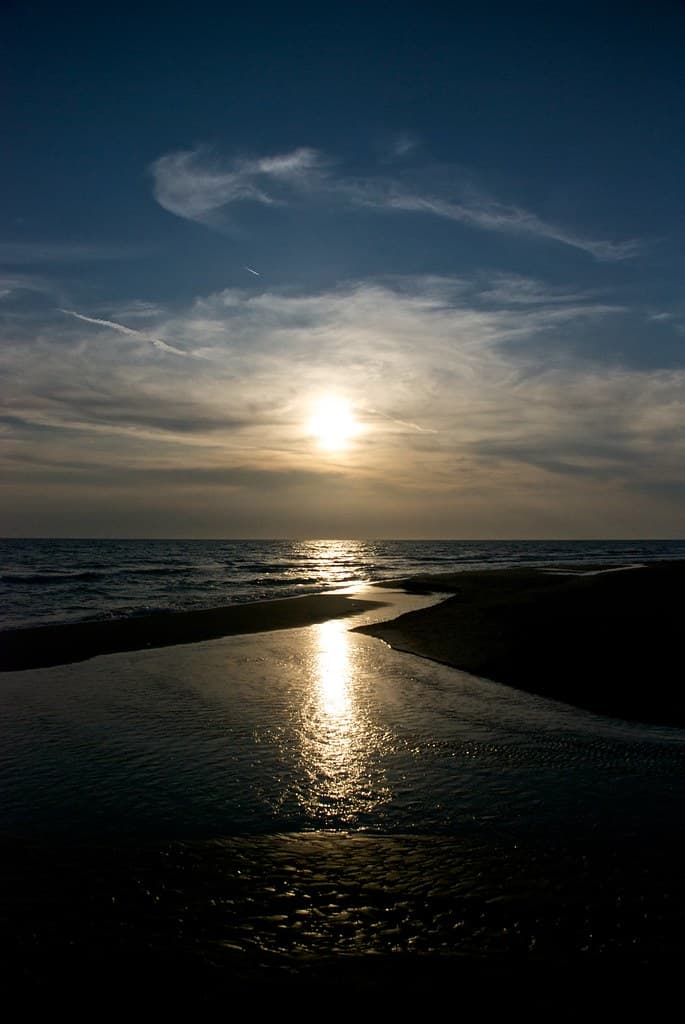
You arrive to the scent of salt mixing with fritto misto from the beachside restaurants. Torvaianica unfolds as a working beach town, where apartment blocks rise behind the lungomare and locals claim the same patch of sand every summer. The water stays shallow for meters out, rippling over your ankles in gentle waves that barely break. By midday, the stabilimenti fill with multi-generational groups. Grandmothers sit beneath rented umbrellas while children dig moats in the damp sand. The beach clubs here lack pretension—folding chairs and simple showers, bocce courts drawn in the sand, waiters bringing cold Peroni and sliced watermelon on plastic trays. Between the concessioned zones, stretches of free beach attract younger crowds with their own coolers and portable speakers. As afternoon heat peaks, you retreat to the shade of a beach bar, its terrace overlooking the water. Gulls wheel overhead, diving for discarded crusts. The beach stays busy until sunset, when the light turns the sea amber and families begin packing up their gear, shaking sand from towels, already planning tomorrow's return.
Places, rentals, tours and events within walking and driving distance of Torvaianica Beach.
Photos
Torvaianica Beach is generally safe and very popular with Roman families, particularly during summer. The sandy beach has gradual depth increases suitable for children, and many sections offer lifeguard supervision during the summer season, especially at organized stabilimenti. Water quality is monitored by local authorities, though it can vary—check current reports if concerned. The beach's popularity with local families is a good indicator of safe conditions. As always, observe warning flags, supervise children closely, and choose supervised beach areas during peak season for maximum safety.
Torvaianica gets very busy during summer weekends and throughout August when Romans flock to the coast. For a better experience, visit on weekdays, particularly in June or September when weather remains excellent but school holidays have ended. Early mornings, even in peak summer, offer quieter beach time before crowds arrive. Spring (April-May) and autumn (October) provide pleasant weather for beach walks with minimal crowds, though swimming may be cooler. Winter offers peaceful seaside visits but most facilities close. The beach is accessible year-round for those seeking space over swimming.
From Rome, drive south on the SS148 Pontina toward Pomezia, then follow signs to Torvaianica—approximately 35-45 minutes depending on traffic, though summer weekends can add significant time. Public transport options include COTRAL buses from EUR Fermi metro station (Line B) to Torvaianica, with journey times around 45-60 minutes depending on route and traffic. Train service to nearby Pomezia stations requires additional bus or taxi connections. Parking is available along the beach road, with both free and paid options, though spaces fill quickly on busy summer days.
Torvaianica offers numerous dining options, from beachfront stabilimenti restaurants serving seafood and Italian classics to pizzerias, trattorias, and casual eateries along the main coastal road. The large local beach area means varied choices for different budgets. Accommodation includes hotels, B&Bs, holiday apartments, and vacation rentals, primarily oriented toward Italian summer visitors rather than international tourists. Options range from simple to mid-range, with the area emphasizing value for Roman families. The size of Torvaianica means more choices than smaller beach towns, though it lacks upscale resort amenities.
Torvaianica serves as a major beach suburb for Romans seeking accessible seaside escapes, creating a distinctly local, urban beach atmosphere. Its large size and extensive development with apartments, hotels, and beach clubs distinguish it from smaller, quieter coastal towns. Unlike historic beach towns like Nettuno or natural settings like Circeo, Torvaianica focuses purely on beach recreation with less cultural or scenic interest. This makes it ideal for straightforward, convenient beach days from Rome but less appealing for those seeking charm or tranquility. The local character provides authentic Roman beach culture observation.