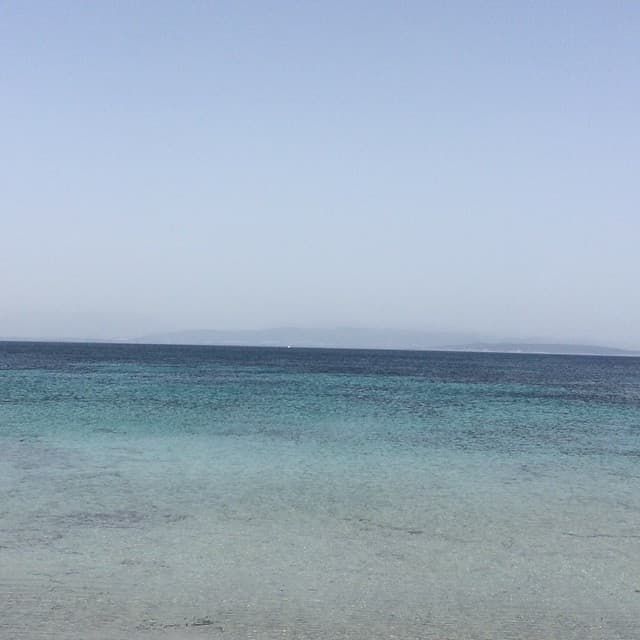
Counting the waves…
Counting the waves…
The dirt track dead-ends at a headland where someone has scratched "Cala Lunga" into a weathered sign. From there, you'll descend a rocky scramble that requires both hands and attention—loose scree, exposed roots, a final awkward drop onto the sand. This natural barrier filters out most visitors; those who persist arrive to find a cove barely fifty meters long, pressed between igneous walls that glow rust-red in afternoon light. The beach itself is a compromise between sand and small stones, uncomfortable for barefoot walking but excellent for clear water. You'll enter from a narrow strand and immediately encounter the drop-off—three meters out, the bottom falls sharply from knee-depth to overhead, the color shifting from jade to indigo. Snorkelers follow the southern wall where the rock face continues underwater, descending in terraces colonized by sponges, sea urchins, and the occasional octopus tucked into a crevice. The water remains still except when bora winds funnel through the inlet, stirring up sediment and creating a back-and-forth surge. Boaters anchor in the deeper sections, diving directly from their transoms into water that stays cool even in August thanks to upwelling currents. You'll hear outboards echoing off the cliffs—the acoustic properties of the inlet amplify every mechanical sound. By late afternoon, shadows claim the beach entirely, sending most visitors scrambling back up the trail while the ambient temperature drops a sudden five degrees.
Places, rentals, tours and events within walking and driving distance of Cala Lunga.
Photos
Cala Lunga offers generally calm, protected waters thanks to its deep inlet geography and rocky sides that shelter it from wind. Swimming is typically safe during good weather, though the beach's remote character means no lifeguards are present. Families should supervise children carefully, especially near rockier areas. The seabed can be uneven with rocks in places. Check weather conditions before visiting, as rougher seas can create currents. The secluded nature means fewer amenities and help if needed, so bring appropriate safety equipment.
The optimal window is May to June and September to early October, when weather remains warm but crowds are minimal. July and August bring peak heat and more visitors, though Cala Lunga stays quieter than famous Sardinian beaches. Early morning or late afternoon visits offer the most solitude and beautiful light for photography. Avoid windy days, as boat access can become challenging. Spring months showcase blooming Mediterranean vegetation along the approach, while autumn delivers pleasant water temperatures with hardly any tourists sharing this hidden gem.
Reaching Cala Lunga typically requires boat access, which contributes to its remote appeal. Some visitors arrange private boat rentals from Sant'Antioco town or join organized boat tours that include this inlet. There may be challenging overland hiking routes, but these are not well-maintained or clearly marked. If attempting land access, wear sturdy footwear and bring sufficient water. Check locally for current access options and conditions. The journey itself offers scenic coastal views. Sant'Antioco island is connected to mainland Sardinia by causeway, making the starting point accessible by car.
Cala Lunga itself has no facilities—it's an undeveloped, natural beach. You'll need to bring all food, water, and supplies. The nearest restaurants and shops are in Sant'Antioco town, roughly 15-20 minutes away by car from typical boat launch points. Accommodation options exist in Sant'Antioco, ranging from family-run B&Bs to vacation rentals and small hotels. Calasetta, another nearby town, also offers dining and lodging. Pack a picnic and plenty of water for your beach visit, as there are no beach bars or vendors at this remote location.
Cala Lunga's dramatic rocky walls create a fjord-like atmosphere rare in Sardinia, giving it a more secluded, adventurous character than typical sandy beaches. The deep inlet geography produces striking scenery with layered rock formations and intense color contrasts between stone and water. Its boat-access nature keeps visitor numbers low, offering genuine escape from tourism. Snorkeling reveals interesting underwater rock formations and marine life. The beach maintains an untouched, wild quality without development or facilities. For travelers seeking authentic discovery rather than resort comfort, Cala Lunga delivers a memorable, off-grid coastal experience.