Counting the waves…
Counting the waves…

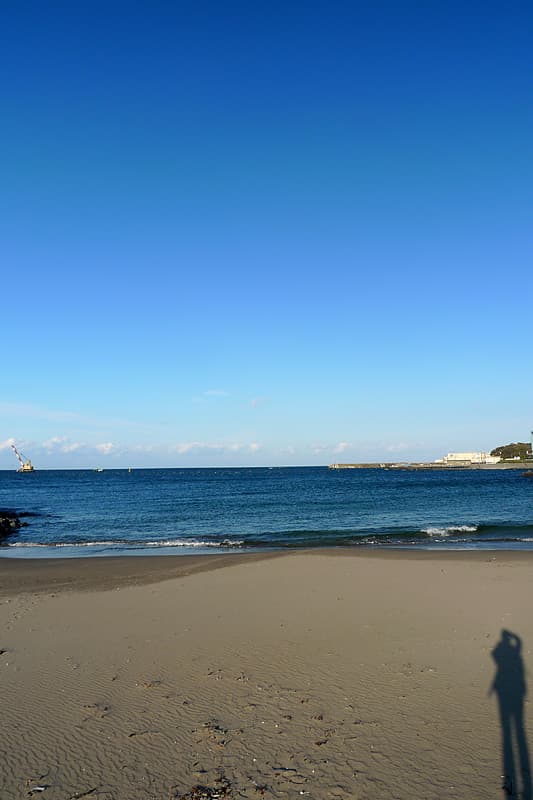
You'll find Shirahama Beach tucked into a protective bay south of Hachinohe's industrial port, where the shoreline trades cargo cranes for windswept pines and the white sand that gives this beach its name. The approach reveals itself gradually: first the dark green canopy of coastal forest, then sudden flashes of turquoise between the trunks, finally the full sweep of the cove with its pale strand curving between rocky points. Families arrive early on summer weekends, claiming spots beneath rented parasols while grandmothers unpack elaborate bentos and thermoses of barley tea. The water temperature here benefits from the confluence of offshore currents, making Shirahama swimmable well into early autumn when other Tohoku beaches have emptied. You'll see children jumping waves in September, their laughter carrying across the sand while parents keep watch from folding chairs. The beach remains tidy—locals patrol with trash bags during evening walks, and a seasonal beach house rents basic gear from June through August. Beyond the swimming season, Shirahama draws visitors year-round for its photogenic coastline and accessible nature. The surrounding pine groves offer shade for summer picnics and shelter from winter winds, while the rocky headlands at either end reward scrambling with tidepool discoveries and unobstructed views of the Pacific's endless gray-blue expanse meeting Aomori's notched coastline.
Places, rentals, tours and events within walking and driving distance of Shirahama Beach.
Photos
Shirahama Beach is generally safe for swimming during the official summer season when lifeguards are on duty. The beach features calm, shallow waters near the shore, making it popular with families and children. However, conditions can vary with weather and tide, so always check local warnings before entering the water. Swimming outside the designated season (typically late June to mid-August) is not recommended as lifeguards are absent and facilities may be closed. The beach's protected location helps maintain relatively gentle waves.
The peak season for Shirahama Beach is July and August when the weather is warmest and swimming facilities are fully operational. During these months, temperatures are comfortable for beach activities, though the water remains cool even in summer. Late June and early September offer fewer crowds but cooler conditions. While the beach is accessible year-round and offers scenic coastal views in other seasons, swimming is only practical during summer months. The beach's natural beauty makes it worthwhile for scenic walks during spring and autumn.
Shirahama Beach is located approximately 18 kilometers from Hachinohe city center. The most convenient option is driving, which takes about 30 minutes via Route 454. Free parking is available near the beach, though spaces fill quickly during summer weekends and holidays. Public transportation options are limited; some local buses run toward the Tanesashi Coast area during peak season, but schedules may be infrequent. Renting a car is recommended for flexibility, especially if you plan to explore other attractions along Aomori's scenic coastline.
Basic amenities at Shirahama Beach include changing rooms, restrooms, and shower facilities during the summer season. Beach houses (uminoya) typically operate in July and August, offering light snacks, drinks, and beach equipment rentals. For more substantial dining, you'll find restaurants and convenience stores in nearby communities within a short drive. Accommodations are limited immediately at the beach but available in Hachinohe city center, which offers hotels, ryokan, and guesthouses. Bringing your own food and supplies is advisable, especially outside peak season.
Shirahama Beach is part of the Tanesashi Coast, known for its unique natural lawn areas (shiba-fu) that extend right to the rocky shoreline, creating a distinctive landscape where grassland meets ocean. This rare combination offers excellent opportunities for coastal walks and photography beyond typical beach activities. The area is designated as part of the Tanesashi Natural Lawn, providing scenic hiking trails with ocean views. Unlike many Japanese beaches, this setting blends sandy beach recreation with dramatic coastal scenery, making it particularly popular for nature appreciation year-round.