Counting the waves…
Counting the waves…

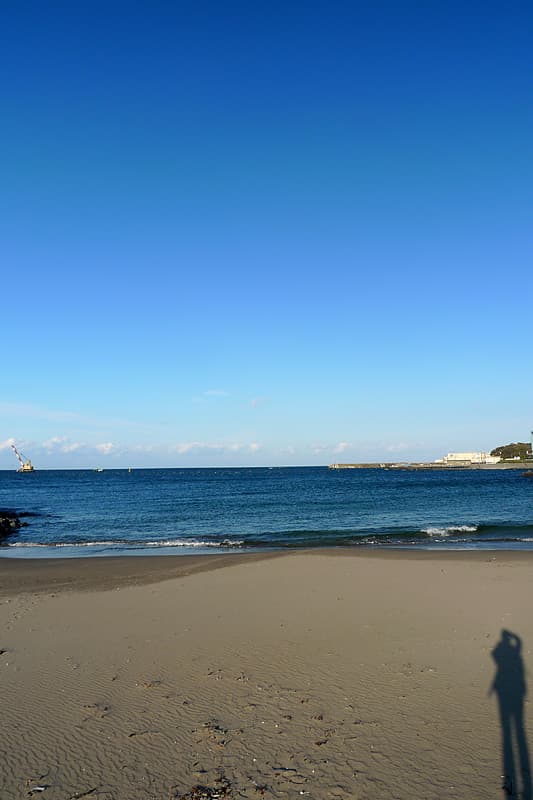
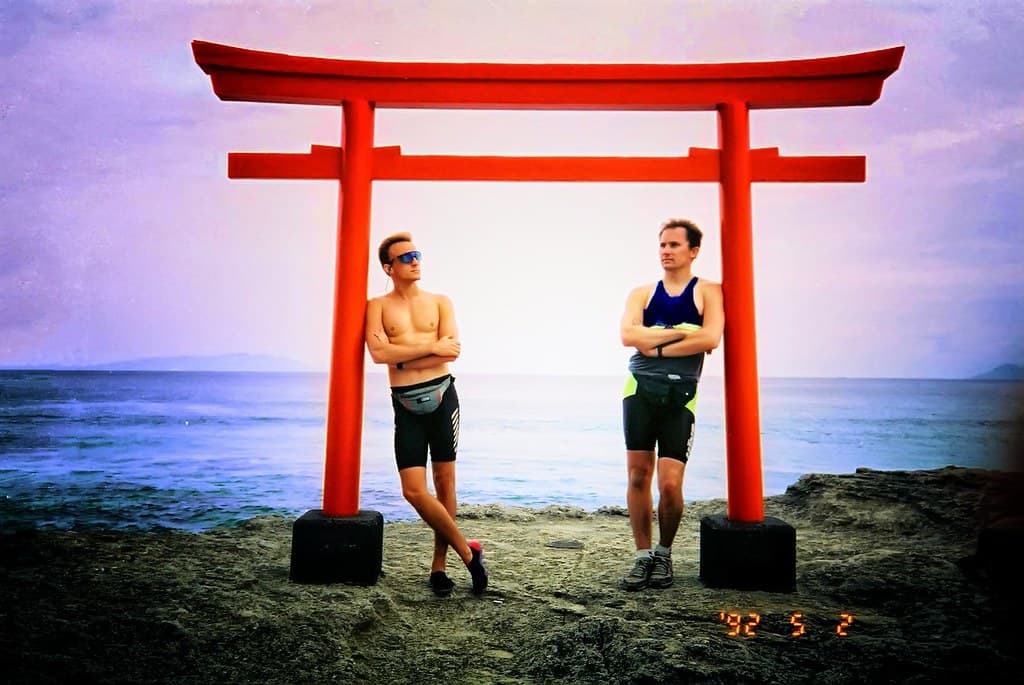
Kabushima South Beach stretches along a working waterfront where Hachinohe's fishing culture meets the Pacific. The shoreline here is rough gravel and dark sand, backed by modest breakwaters and stacks of blue netting. You won't mistake this for a resort beach—rubber boots and tackle boxes far outnumber flip-flops, and the air carries the briny tang of the morning's catch mixed with diesel from idling boats. The beach sits in the shadow of Kabushima Island, a volcanic rock outcrop famous for its black-tailed gull colony. From March through July, thousands of gulls nest on the island's slopes, their calls echoing across the water. You can walk the beach at low tide, picking over smooth stones and watching local fishermen mend nets or sort their haul on wooden piers that jut into the harbor. What draws you here isn't postcard beauty but authenticity. This is a functional shore where tide tables matter more than opening hours, where the rhythms of the sea dictate daily life. A small shrine perches on the nearby rocks, its red torii gate marking where fishermen pray for safe return. Come in early morning or late afternoon when the light slants low across the water and you'll have the shoreline mostly to yourself, save for the gulls and the occasional fisherman heading out for the evening shift.
Places, rentals, tours and events within walking and driving distance of Kabushima South Beach.
Photos
Kabushima South Beach is primarily a quiet fishing area rather than a designated swimming beach. Swimming conditions can vary significantly depending on weather, currents, and boat traffic from local fishing activities. There are typically no lifeguards on duty or formal safety facilities. If you choose to swim, exercise extreme caution, check local conditions first, and be aware of fishing vessels operating nearby. Many visitors prefer to enjoy the beach for walking, photography, and observing the coastal scenery rather than swimming.
While Kabushima South Beach is accessible year-round, late spring through early autumn (May to September) offers the most comfortable weather for beach visits. Summer months provide warm temperatures ideal for strolling along the shore. However, visiting during different seasons offers unique experiences—spring brings migrating seabirds, while winter showcases dramatic coastal scenery with fewer crowds. Early mornings tend to be particularly peaceful for observing local fishing activities. Consider checking weather forecasts before visiting, as conditions along the Aomori coast can change quickly.
Kabushima South Beach is located in Hachinohe, accessible via the nearby Kabushima Shrine area. From Hachinohe Station, you can take the JR Hachinohe Line to Samemachi Station, then a local bus or taxi to the Kabushima area (approximately 30-40 minutes total). If driving, follow signs toward Kabushima Shrine; limited parking is generally available near the shrine and fishing port area. As this is a local fishing community, parking may be informal, so be respectful of residents and working areas.
Being a local fishing area, Kabushima South Beach has limited on-site amenities. Small local eateries and shops may be found in the nearby fishing community, sometimes offering fresh seafood. For more dining options and services, head to central Hachinohe, about 20 minutes away, which has various restaurants, convenience stores, and accommodations. Many visitors treat this as a day trip from Hachinohe. It's advisable to bring your own refreshments if planning an extended beach visit, as facilities directly at the beach are minimal.
Yes, Kabushima is famous for its large breeding colony of black-tailed gulls (umineko), which nest on the small island connected to the mainland where Kabushima Shrine sits. Visiting between late March and July offers the best opportunity to observe thousands of these gulls during breeding season. The beach area provides vantage points to see the birds, and you can walk across to the shrine island itself. This natural phenomenon makes Kabushima unique among Japanese coastal areas, attracting bird enthusiasts and nature photographers from across Japan.