Counting the waves…
Counting the waves…

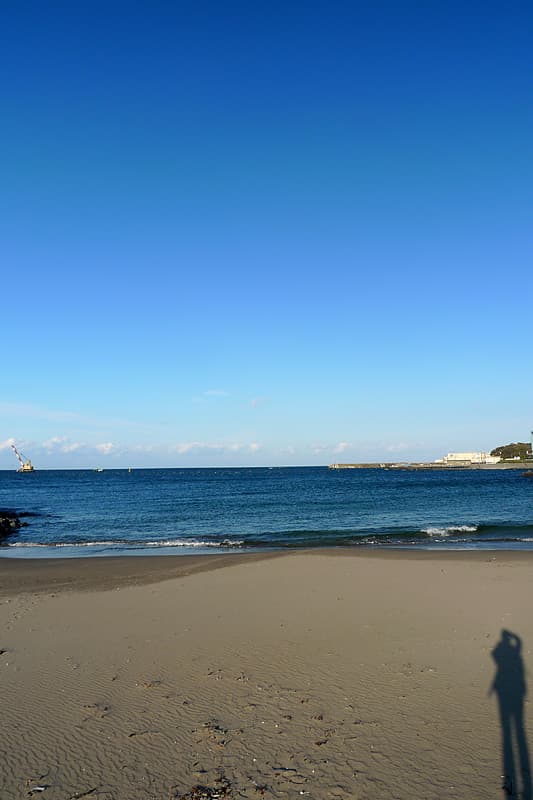
Tanesashi Beach defies your mental catalog of Japanese coastlines. No seawalls, no concrete tetrapods—just an unbroken ribbon of sand and volcanic pebble that curves along Aomori's Pacific edge, backed by wild grasses that sway waist-high in the salt wind. You'll walk from parking areas directly onto meadows stippled with wildflowers in summer, the green so vivid it nearly hums, then cross the grass threshold onto beach. The sand here runs gray to charcoal, fine-grained and packed firm by the tide. The wind is constant, tugging at your jacket even in July, carrying the iodine scent of kelp and the faint diesel trace of Hachinohe's fishing fleet to the south. Families spread blankets on the grass rather than the sand, unpacking bento boxes while children chase grasshoppers before braving the cold Pacific. The water temperature rarely climbs above 20°C, even in August, but that doesn't stop locals from wading in shallows where small waves collapse in white froth. What holds you here isn't tropical languor but the sheer strangeness of the landscape—the way Japan's northern edge feels more Hokkaido than Honshu, more Scotland than Shonan. You'll find weathered wooden observation decks along the Michinoku Coastal Trail, benches facing the horizon where you can sit and watch the light change over the Kuroshio Current. It's the kind of beach where you come for long walks, not long swims, where the drama is in the sky and the grass, not the sea.
Places, rentals, tours and events within walking and driving distance of Tanesashi Beach.
Photos
Tanesashi Beach is generally not recommended for swimming due to strong currents and cold water temperatures, even in summer. The beach is primarily appreciated for its unique landscape combining sandy shores with grassy meadows, making it ideal for walking, picnicking, and photography rather than water activities. Visitors should exercise caution near the water's edge and supervise children closely. The beach's main appeal lies in its scenic beauty along the Sanriku Coast rather than swimming opportunities. Always check local conditions and posted signs before considering any water contact.
Tanesashi Beach offers year-round appeal with different seasonal highlights. Late spring through early autumn (May to October) provides the most comfortable weather for beach walks and enjoying the distinctive grassy coastline. Summer brings wildflowers blooming across the coastal meadows, creating vibrant scenery. Autumn offers pleasant temperatures and clear days ideal for photography. Winter visits are possible but expect cold winds off the Pacific. The beach is accessible throughout the year, so timing depends on your preference for weather comfort versus experiencing different seasonal landscapes along this scenic Sanriku Coast stretch.
Tanesashi Beach is located about 20 kilometers southeast of central Hachinohe. By car, it's approximately 30-40 minutes from Hachinohe Station via Route 45 along the coast. Free parking is available at the Tanesashi Kaigan Information Center and several other designated areas along the beachfront. Public transportation options are limited; local buses from Hachinohe Station operate but with infrequent schedules. Renting a car is highly recommended for convenience and flexibility to explore the entire Tanesashi Coast natural lawn area, which stretches several kilometers along the shoreline.
Dining options directly at Tanesashi Beach are limited, though the Information Center has basic facilities. Most visitors head to nearby Hachinohe city for wider restaurant choices featuring local seafood and regional cuisine. For accommodations, Hachinohe offers hotels, ryokans, and guesthouses about 20-30 minutes away. Some lodging options exist in smaller coastal communities near the beach. Pack snacks and drinks if planning an extended beach visit, as immediate services are minimal. The area is primarily natural and undeveloped, emphasizing its scenic, peaceful character over tourist infrastructure.
Tanesashi Beach is distinctive for its rare natural coastal lawn (shibafu) that extends directly to the sandy shoreline—an unusual combination in Japan. This grassy meadow covering approximately 12 kilometers of coastline creates a park-like setting meeting the ocean, perfect for picnicking, walking, and relaxation. The lawn remains green through much of the year and blooms with wildflowers seasonally. This natural feature results from specific coastal conditions along the Sanriku Coast and is protected as part of the Tanesashi Kaigan Hashikamidake Prefectural Natural Park, making it a valued ecological and scenic landscape.