Counting the waves…
Counting the waves…
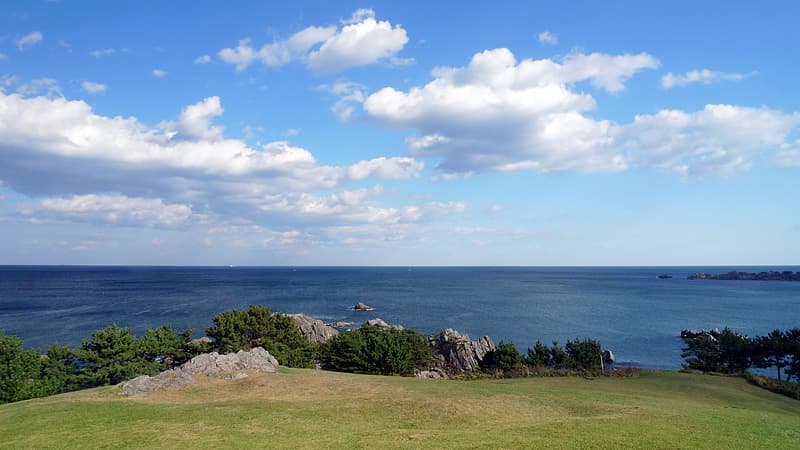
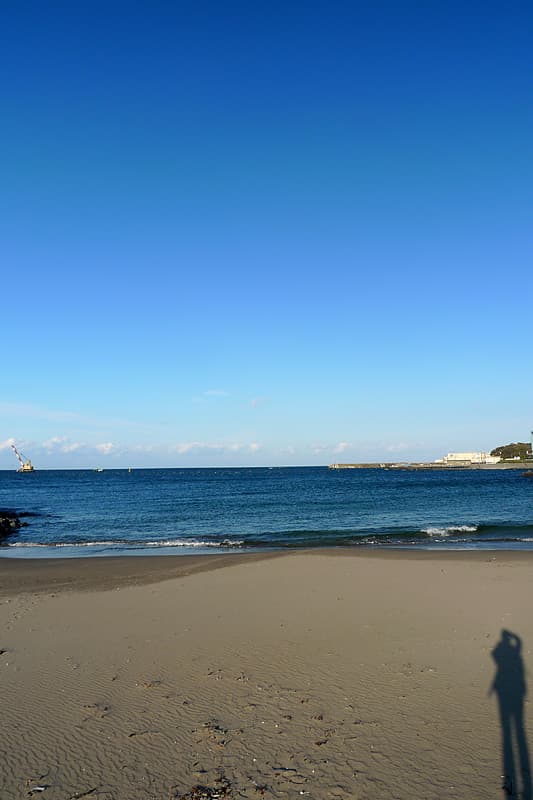
Tanesashi North Beach unfolds along a rugged five-kilometer arc where the Pacific's slate-blue waters meet Aomori's least-trampled coast. Unlike the manicured sands farther south, this northern extension wears its wildness openly: driftwood tangles at the high-tide line, grasses bend landward in the salt wind, and the beach itself shifts from fine black volcanic sand to stretches of polished pebbles that click underfoot. The coastline belongs to Tanesashi Kaigan Beach Park, yet most visitors never venture beyond the southern access points, leaving this stretch to shorebirds and the occasional local angler casting into the surf. The landscape here refuses easy categorization. Behind the beach, the Tanesashi Natural Lawn spreads across rolling headlands—a fragile coastal prairie where wild roses, day lilies, and beach peas bloom against an oceanic backdrop. Walking trails thread through this meadow, connecting viewpoints where you can watch fishing boats dot the horizon or scan the tidepools exposed at low water. The beach faces east, catching the full force of Pacific swells and the first light of each day. Come prepared for weather that shifts with coastal caprice. Even in summer, the breeze carries a chill off the water, and winter storms reshape the shoreline overnight. The nearest conveniences sit back in Hachinohe proper, so bring what you need. This remoteness is precisely the point—a working coast where nature still dictates the terms.
Places, rentals, tours and events within walking and driving distance of Tanesashi North Beach.
Photos
Tanesashi North Beach is primarily known for scenic walks and nature observation rather than swimming. The coastline features rocky areas and strong currents that can make swimming challenging and potentially hazardous. There are no lifeguards on duty, and facilities are minimal. The beach is better suited for beachcombing, photography, and enjoying the dramatic coastal landscape. If you're interested in swimming, consider visiting during calm summer days and always exercise caution. The area is part of the Tanesashi Coast trail, celebrated more for its natural beauty than water recreation.
Tanesashi North Beach can be visited year-round, with each season offering distinct experiences. Late spring through early autumn (May-October) provides the most comfortable weather for coastal walks and exploring the shoreline. Summer offers longer daylight hours and warmer temperatures, ideal for extended hikes along the coast. Winter visits reveal dramatic seascapes with crashing waves, though weather can be harsh with strong winds and cold temperatures. The shoulder seasons of spring and autumn often feature fewer visitors while maintaining pleasant conditions for nature photography and peaceful beach walks.
Tanesashi North Beach is located along the Tanesashi Coast, accessible from Hachinohe city. The most convenient way to reach the beach is by car, following Route 45 along the Pacific coast. Several parking areas are available along the Tanesashi Coast trail system, though facilities are basic. Public transportation options are limited; some local buses run along the coastal route, but schedules may be infrequent. The beach is part of a larger coastal walking trail, so you can access it from multiple points. Plan for a rental car if staying in Hachinohe.
Tanesashi North Beach is relatively undeveloped, with limited facilities directly at the beach. Basic amenities like public restrooms can be found at some parking areas along the Tanesashi Coast. For dining and accommodation, you'll need to head to Hachinohe city, approximately 15-20 minutes away by car, which offers various hotels, ryokans, and restaurants serving local seafood. Some small shops and cafes may be found in nearby coastal communities. It's advisable to bring water and snacks for your beach visit, especially if planning extended exploration of the coastline.
Tanesashi North Beach represents the less-visited, wilder extension of the popular Tanesashi Coast, offering a more secluded experience compared to the main beach areas. The landscape features distinctive coastal grasslands meeting rocky shores, creating unique scenery uncommon along Japan's Pacific coast. This section sees fewer tourists, making it ideal for those seeking solitude and unspoiled nature. The area is part of the Sanriku Fukko National Park and connects to scenic hiking trails. Birdwatchers and nature photographers particularly appreciate this quieter stretch for its natural character and dramatic coastal formations.