Counting the waves…
Counting the waves…
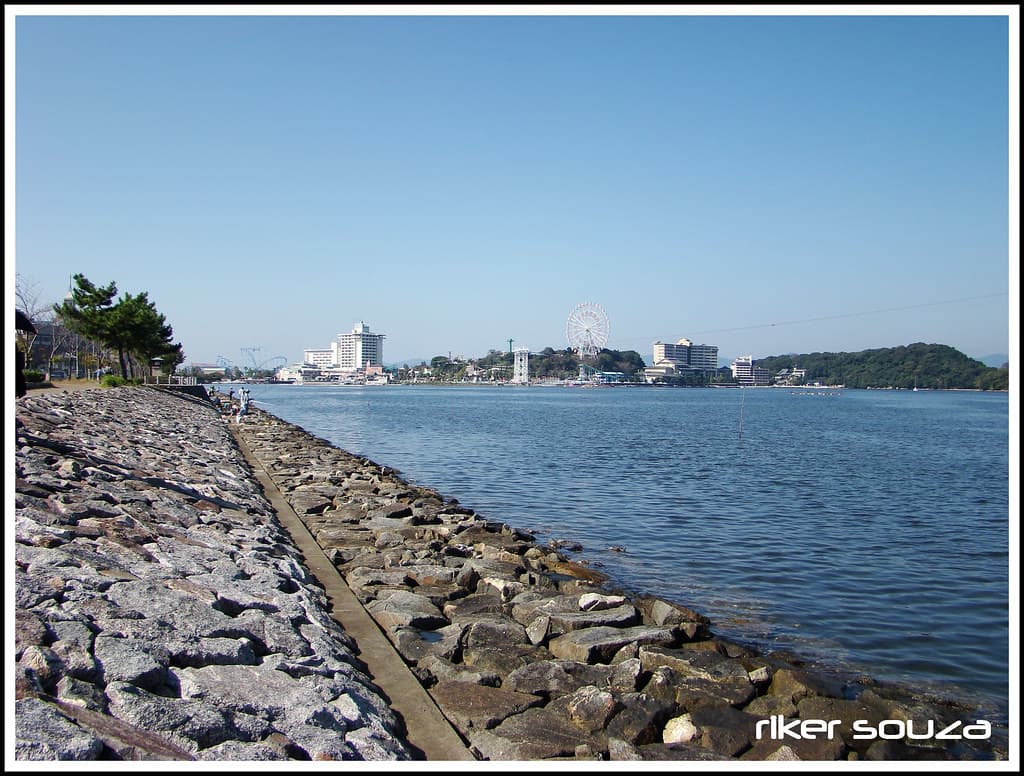
You'll find Okunai Beach tucked into the Tsugaru Peninsula's northern coastline, where Imabetsu meets the Sea of Japan with little ceremony and even less commercial infrastructure. The beach runs wide and flat at low tide, its dark sand streaked with driftwood bleached bone-white by sun and salt. In summer, the water chills your ankles even on warm days; by autumn, the wind off the strait carries the metallic scent of approaching storms. The absence of development isn't neglect—it's the point. There are no changing rooms, no rental stands, no loudspeakers announcing closing time. What you get instead: unobstructed sight lines toward the Hokkaido coast on clear mornings, the rhythmic percussion of waves dragging pebbles back to sea, and the occasional local angler setting up a rod at dawn. The beach grass bends horizontal in the wind, and tide pools form in the volcanic rock outcrops at either end. Bring what you need—water, wind protection, a jacket even in July—because there's nothing to buy once you arrive. The nearest convenience store sits three kilometers inland. Most visitors are day-trippers from Hakodate who've crossed the Seikan Tunnel, or Aomori residents escaping crowds at the prefecture's more famous eastern beaches. You'll have long stretches of shoreline entirely to yourself, punctuated only by the occasional dog walker or photographer chasing that particular northern light.
Places, rentals, tours and events within walking and driving distance of Okunai Beach.
Photos
Okunai Beach is relatively undeveloped with minimal lifeguard services or safety infrastructure. Swimming conditions can vary significantly depending on weather and currents in the Tsugaru Strait. The beach is more popular for scenic walks and relaxation than swimming. If you choose to swim, exercise caution, monitor local weather conditions, and avoid venturing out during rough seas. Always swim with a companion and stay close to shore. Check with local authorities or your accommodation about current conditions before entering the water.
Okunai Beach can be visited year-round, with each season offering different appeal. Summer (July-August) provides the warmest weather for beach activities, though it can be humid. Spring and autumn offer mild temperatures and fewer visitors, ideal for peaceful walks and photography. Winter visits reveal a stark, dramatic coastline, though temperatures drop significantly and snow is possible. The beach's minimal development means facilities are limited regardless of season, so plan accordingly with food and supplies.
Okunai Beach is located in Imabetsu, a small town in Hokkaido (across the strait from Aomori Prefecture). Access is easiest by car, as public transportation to this remote area is limited. From Hakodate, drive approximately 40 minutes west along coastal roads. There is basic parking available near the beach, though facilities are minimal. If relying on public transport, you may need to take a train to Kikonai Station, then arrange a taxi. Renting a car provides the most flexibility for exploring this less-touristed region.
Okunai Beach's minimal development means dining and lodging options directly at the beach are very limited or non-existent. Visitors should plan to stay in nearby Kikonai or Hakodate, which offer a range of accommodations from business hotels to traditional ryokan. Bring your own food and drinks for a beach visit, as convenience stores and restaurants are sparse in the immediate area. The closest services are typically in Kikonai town center. This remoteness is part of the beach's appeal for those seeking an unspoiled coastal experience.
Okunai Beach remains largely undiscovered by mainstream tourism due to its remote location and minimal development. Unlike popular Japanese beaches with crowds and commercialization, Okunai offers pristine natural beauty and tranquility. The lack of facilities, vendors, and tourist infrastructure preserves an authentic, unspoiled atmosphere. Visitors can enjoy scenic coastal views, dramatic rock formations, and peaceful solitude. This hidden status appeals to travelers seeking off-the-beaten-path experiences and photographers wanting to capture Japan's natural coastline without tourist infrastructure in frame.