Counting the waves…
Counting the waves…
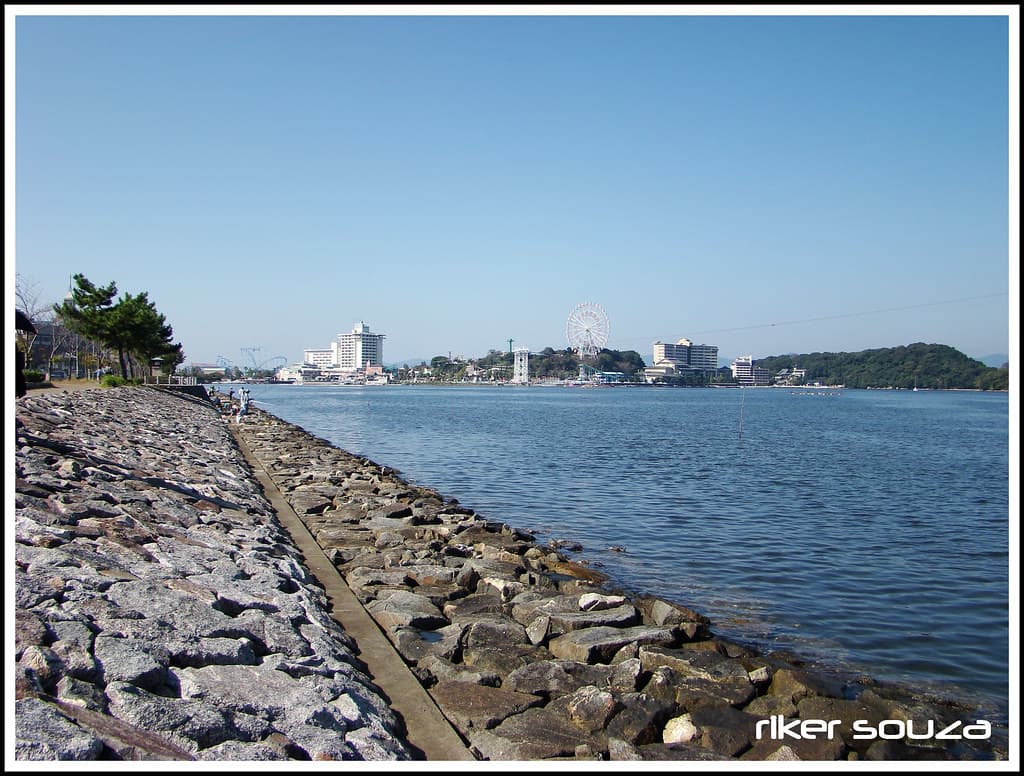
Minmaya Beach occupies a stark, compelling stretch of coastline where the Tsugaru Strait churns between Honshu and Hokkaido. The sand here carries a charcoal tint, volcanic in origin, and the water stays cold even in August—this is the domain of the Tsushima Current, sweeping north from the Sea of Japan. You'll notice the wind first: persistent, bracing, carrying the scent of kelp and the distant hum of fishing boats working the strait. The beach itself is wide and unmanicured, backed by low dunes and weathered seawalls that speak to winter storms. The Minmaya area holds a stoic kind of beauty. Cape Tappi rises nearby, its lighthouse a white sentinel against charcoal cliffs, and on clear days Hokkaido's southern shore materializes across twenty kilometers of open water. Fishing nets dry on wooden frames. Concrete tetrapods line sections of shore. This isn't a place for beach umbrellas or parasailing—it's a place to witness the meeting of land and sea in its most elemental form. Visit in winter and you'll understand the local character: snowdrifts against the seawall, waves the color of slate, and perhaps a handful of photographers braving the cold to capture the strait under bruised skies. Summer brings marginally warmer water and families who picnic on the sand, children shrieking as they test the frigid surf. The beach remains what it has always been—unvarnished, enduring, and utterly itself.
Places, rentals, tours and events within walking and driving distance of Minmaya Beach.
Photos
Swimming conditions at Minmaya Beach require caution due to strong currents in the Tsugaru Strait. The beach faces one of Japan's most powerful strait currents, making swimming challenging even for experienced swimmers. Local authorities typically advise against swimming except during designated supervised periods in summer. The beach is primarily appreciated for its scenic views rather than swimming activities. Always check current conditions with local tourism offices and observe posted warning signs before entering the water.
Minmaya Beach offers year-round appeal with distinct seasonal experiences. Summer (June-August) provides the warmest weather and occasional supervised beach access, while spring brings cherry blossoms to the surrounding area. Winter months offer dramatic seascapes with views of the strait, though weather can be harsh with strong winds. The beach's location at the northern tip of Honshu means cooler temperatures than southern Japan. Many visitors combine their trip with nearby Cape Tappi for panoramic strait views regardless of season.
Minmaya Beach is located in Sotogahama, accessible from Aomori city. The most practical approach is driving, taking approximately 90 minutes via Route 339 and Route 280. Public transportation is limited; JR trains run to nearby stations, but require additional bus or taxi connections. Parking is available near the beach area, though facilities may be basic. Renting a car from Aomori provides the most flexibility for exploring this remote coastal area and nearby attractions like Cape Tappi and the Seikan Tunnel Museum.
Minmaya Beach is in a rural area with limited but authentic local options. The small Minmaya village offers a few seafood restaurants serving fresh catches from the Tsugaru Strait, including local specialties. Accommodation options are sparse locally, with some minshuku (family-run guesthouses) available. Most visitors base themselves in Aomori city for wider hotel choices and dining options, making day trips to the beach. During summer, temporary facilities may open near the beach. It's advisable to plan meals and lodging in advance, especially during peak seasons.
Yes, on clear days you can see Hokkaido across the Tsugaru Strait from Minmaya Beach, as the strait is only about 20 kilometers wide at its narrowest point. The views are particularly striking from elevated areas near the beach and from nearby Cape Tappi. Weather conditions significantly affect visibility, with clearer views typically possible in winter and spring. The sight of Hokkaido across the strait is one of the beach's main attractions, offering a unique geographical perspective of Japan's northernmost island from Honshu's northernmost tip.