Counting the waves…
Counting the waves…
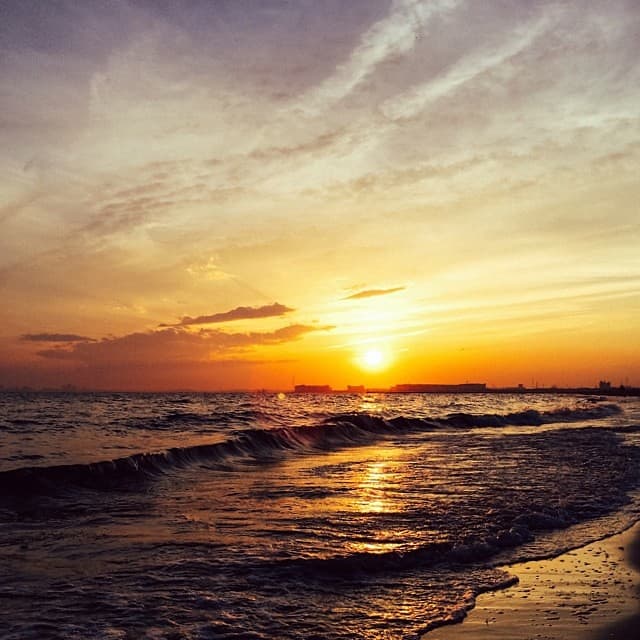
Funabashi Sanbanze Beach is not just a stretch of sand; it's a dynamic ecological wonder, a vast tidal flat that breathes with the ebb and flow of Tokyo Bay. This expansive shoreline is celebrated for its rich biodiversity, serving as a crucial habitat for numerous species of migratory birds and marine life. When the tide recedes, it unveils a sprawling, muddy canvas, inviting visitors to explore the intricate world of crabs, shellfish, and other fascinating creatures that call Sanbanze home. Beyond its ecological significance, the beach offers a unique recreational experience. Families flock here for clam digging, an engaging activity that connects visitors directly with the natural environment. The sheer scale of the tidal flats provides a sense of openness and freedom, a stark contrast to the dense urban landscape that lies just beyond its borders. The air here carries the scent of the sea, a refreshing balm for city dwellers seeking a natural escape. The scenic beauty of Funabashi Sanbanze Beach is undeniable, with wide-open skies and distant views across the bay. It's a place where you can witness the raw power of nature's cycles, from the dramatic reveal of the tidal flats to the vibrant birdlife that dots the horizon. This beach stands as a powerful reminder of nature's resilience, offering a vital green lung and an educational outdoor classroom, all while remaining remarkably accessible from Funabashi's urban core.
Places, rentals, tours and events within walking and driving distance of Funabashi Sanbanze Beach.
Photos
Funabashi Sanbanze Beach is primarily a tidal flat area rather than a traditional swimming beach. The extensive mud flats exposed during low tide make it unsuitable for regular swimming activities. The beach is better known for nature observation, bird watching, and exploring the unique tidal ecosystem. Visitors come to see marine life in tidal pools and enjoy the scenic coastal environment. If swimming is your priority, consider other beaches in the area with designated swimming zones and facilities.
The best time to visit depends on your interests. Low tide reveals the widest tidal flats, ideal for observing marine life and bird watching—check tide tables before visiting. Spring and autumn offer pleasant temperatures and excellent bird migration viewing. Summer provides warm weather for family outings, though it can be humid. Early morning visits are perfect for bird watchers and photographers. Weekdays tend to be quieter than weekends. The beach is accessible year-round, with each season offering different natural observations.
From central Tokyo, take the JR Sobu Line to Minami-Funabashi Station, then transfer to the Keisei Line to Tanaka-cho Station or Kyosei-Yawata Station, both within walking distance of the beach. The total journey takes approximately 45-60 minutes. Alternatively, drive via the Keiyo Road or Tokyo Bay expressways. Local buses also serve the coastal area from Funabashi Station. The beach is relatively close to Tokyo, making it accessible as a day trip from the capital city.
Funabashi city offers various dining options, including local Japanese restaurants, family restaurants, and convenience stores, though options directly at the beach may be limited. The main commercial areas around Funabashi Station have more extensive food choices. For accommodation, business hotels and chain hotels are available in central Funabashi, approximately 15-20 minutes from the beach area. The nearby area is primarily residential, so staying in Funabashi or Tokyo with day-trip access is most practical for visitors.
Funabashi Sanbanze Beach is distinguished by its extensive tidal flats, creating a unique ecosystem rare in urban Tokyo Bay areas. The wide mud flats attract diverse bird species, making it a popular bird-watching destination. Unlike typical sandy beaches, the natural tidal environment provides opportunities to observe crabs, shellfish, and other marine creatures. The beach balances urban proximity with natural habitat preservation, offering an educational experience about coastal ecosystems. It's ideal for nature enthusiasts and families interested in environmental learning rather than traditional beach activities.