Counting the waves…
Counting the waves…

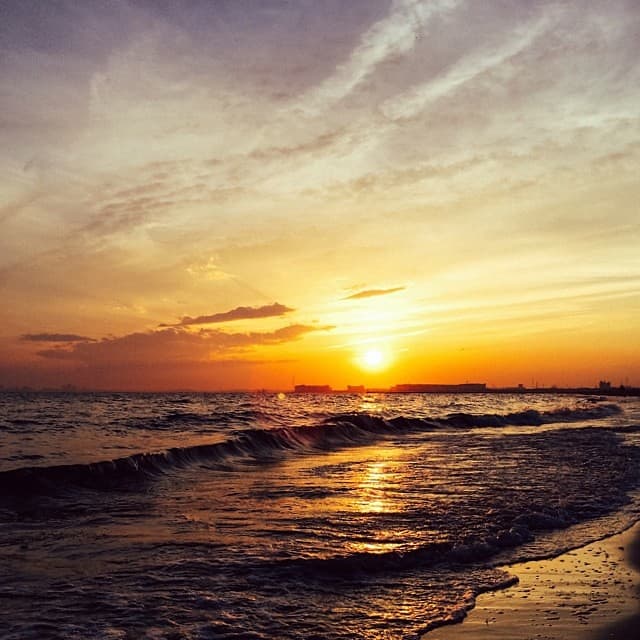
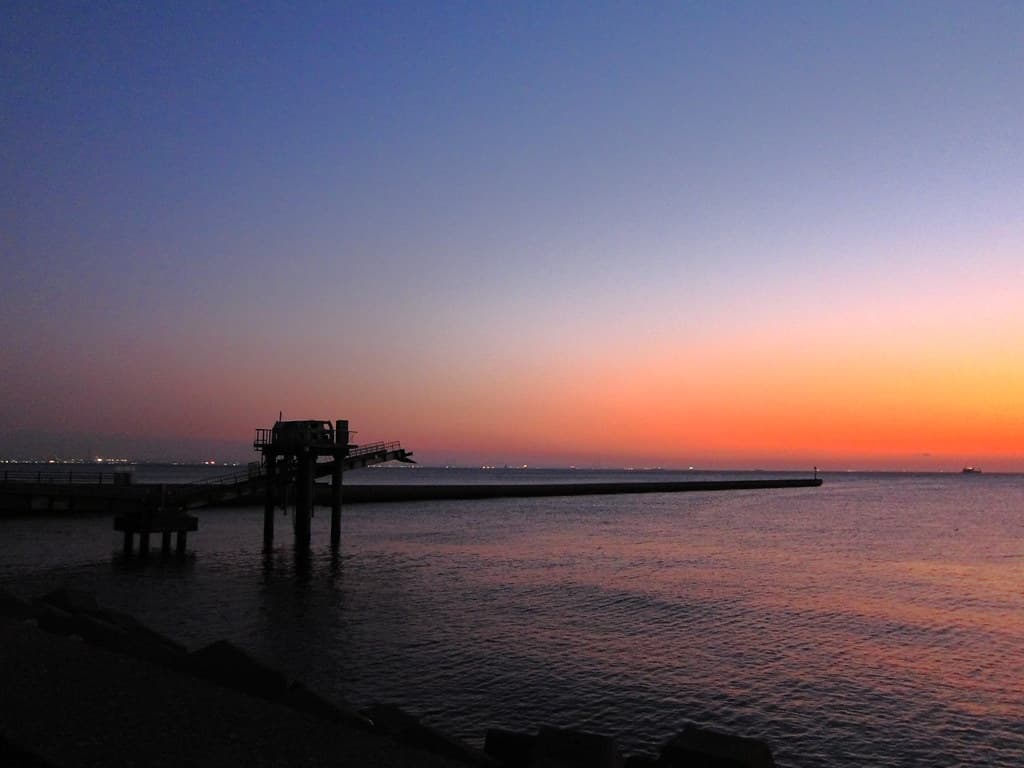
Minami Funabashi Beach isn't about grand vistas or crashing waves; it's about finding beauty in the unexpected. The air carries a faint scent of salt and industry, a reminder of its working port surroundings. Yet, step onto the modest sand, and a surprising tranquility settles over you, a quiet hum beneath the vast sky. Here, the bay water laps gently against the shore, reflecting the muted tones of the industrial landscape and the expansive sky. You might see a lone fisherman casting a line, or a local taking a quiet stroll. It’s a place for contemplation, where the rhythm of the tides provides a soothing counterpoint to the distant clang of machinery. This beach offers a different kind of charm, a raw, unpolished beauty that speaks to the authentic character of the area. It’s a hidden corner, a secret kept by those who appreciate its understated appeal – a perfect spot to watch cargo ships glide by, or simply enjoy the quiet solitude of the waterfront.
Places, rentals, tours and events within walking and driving distance of Minami Funabashi Beach.
Photos
Minami Funabashi Beach is not recommended for swimming. Located near an industrial zone along Tokyo Bay, the waterfront is primarily an observation and walking area rather than a recreational swimming beach. Water quality and currents make swimming inadvisable, and facilities for swimmers are absent. The beach lacks lifeguard services and designated swimming areas. Visitors come here for the unique atmosphere, waterfront views, and quiet walks rather than water activities. If you're seeking swimming opportunities, consider other beaches in Chiba Prefecture with proper facilities and supervision.
Minami Funabashi Beach is best visited during weekdays when crowds are minimal, aligning with its character as a lesser-known, hidden spot. Early morning and late afternoon offer quieter conditions and interesting industrial landscape photography opportunities. Spring and autumn provide comfortable temperatures for walking and exploring. The area has a particular appeal during golden hour when industrial structures create dramatic silhouettes. Summer weekday evenings can be pleasant for escaping urban heat. Winter visits offer solitude and clear views across the bay. Anytime you visit, expect a more industrial and less polished atmosphere than traditional beaches.
From central Tokyo, take the JR Keiyo Line or Sobu Line to Minami-Funabashi Station (approximately 30-40 minutes from Tokyo Station). From Minami-Funabashi Station, the waterfront area is accessible by local bus or a 15-20 minute walk, depending on the specific beach access point you're targeting. By car, take the Keiyo Road or Bayshore Route toward Funabashi, exiting at appropriate points for the southern waterfront. Some street parking may be available. The journey typically takes 45-70 minutes from central Tokyo depending on your exact starting point and connections.
Minami Funabashi Beach is in a primarily industrial and residential area with limited beachfront amenities. Most dining options are concentrated around Minami-Funabashi Station, including convenience stores, chain restaurants, and local eateries serving Japanese food. The immediate waterfront has minimal food facilities. For accommodation, business hotels near the station or in central Funabashi are your best options, though many visitors treat this as a brief stop or day trip from Tokyo or other Chiba locations. Bring snacks and drinks if planning to spend time at the waterfront.
Minami Funabashi Beach offers an unconventional urban waterfront experience, blending industrial landscapes with natural bay views. The juxtaposition of working industrial zones with waterfront space creates a unique atmosphere that appeals to visitors seeking off-the-beaten-path locations. The area provides insights into Tokyo Bay's working waterfront rather than manufactured tourist experiences. Photographers appreciate the industrial aesthetic combined with natural elements. The lesser-known status means you'll rarely encounter crowds, offering peaceful moments despite the urban industrial setting. It represents authentic Tokyo Bay coastal life beyond traditional beach destinations.