Counting the waves…
Counting the waves…

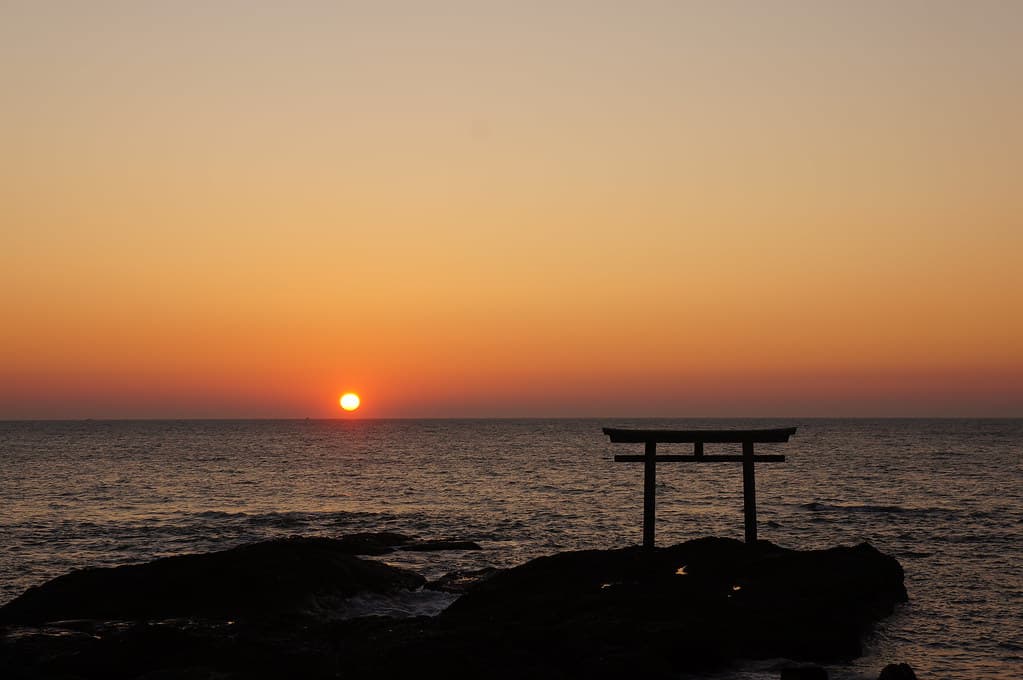
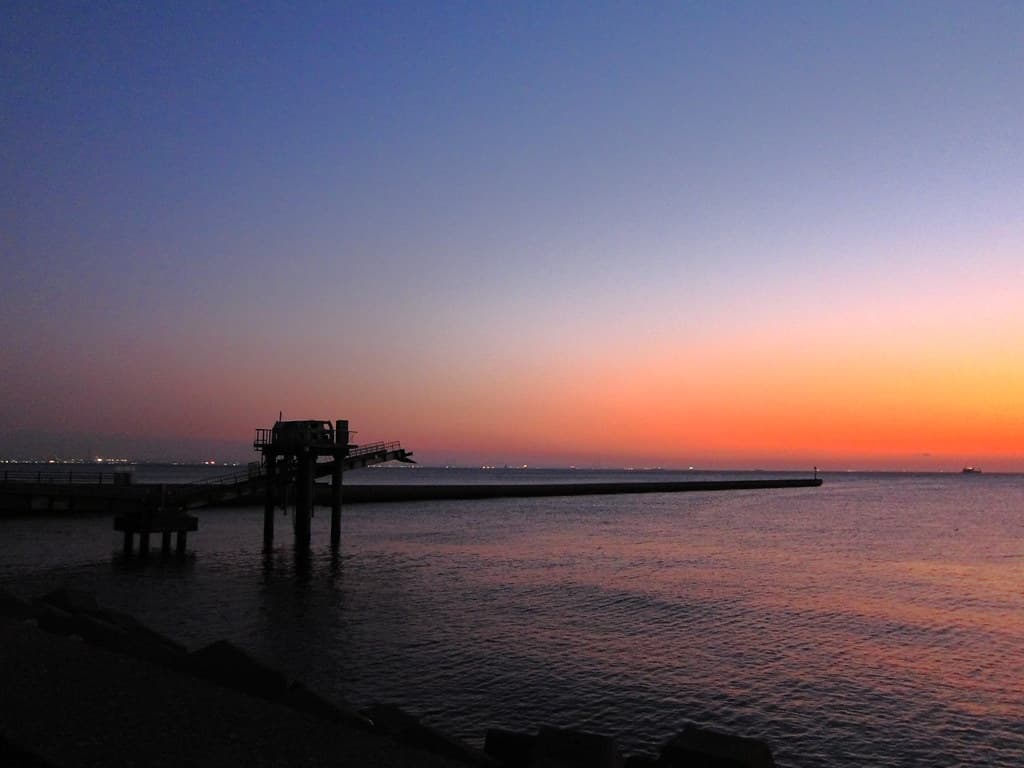
Step onto the vast, exposed mudflats of Futtsu Sanbanze, and the city's pulse fades, replaced by the rhythmic lapping of the bay and the calls of migratory birds. This isn't a beach for building sandcastles, but for discovery, where the tide reveals a rich ecosystem beneath your boots. The air carries the briny scent of the sea, mingling with the distant hum of urban life. Binoculars are your essential companion here, allowing you to zoom in on the delicate movements of sandpipers probing the mud, or the elegant flight of egrets against the steel-gray of distant skyscrapers. As the sun dips, painting the horizon in hues of orange and violet, the Tokyo Bay Bridge lights begin to twinkle, transforming the urban sprawl into a glittering tapestry. It’s a profound juxtaposition, offering a moment of quiet contemplation amidst the grandeur of both nature and human ingenuity.
Places, rentals, tours and events within walking and driving distance of Futtsu Sanbanze Beach.
Photos
Futtsu Sanbanze Beach is not designated as a swimming beach. The area consists primarily of tidal flats and shallow bay waters that are not suitable or safe for swimming. The beach serves as a natural habitat and observation area rather than a recreational swimming destination. Visitors come here for walking, birdwatching, and enjoying scenic views across Tokyo Bay. The shallow, muddy nature of the tidal flats makes water activities impractical. Instead, focus on enjoying the natural environment and wildlife viewing opportunities this unique coastal area provides.
Futtsu Sanbanze Beach is listed as suitable to visit anytime, offering year-round appeal for nature observation. Spring and autumn provide comfortable temperatures for walking and birdwatching, with migration seasons bringing diverse species. Winter offers clear days with good visibility across Tokyo Bay and fewer visitors. Summer can be hot but brings lush vegetation and active wildlife. Early morning and late afternoon provide the best light for photography and wildlife observation. Check tide tables before visiting, as low tide reveals more of the tidal flats and attracts feeding birds.
From central Tokyo, take the JR Sobu Line to Funabashi Station or the Keisei Line to Keisei Funabashi Station (approximately 30-40 minutes). From there, take a local bus toward the southern waterfront area or consider a taxi for convenience, as the beach is several kilometers from the station. By car, take the Keiyo Road or Bayshore Route toward Funabashi, following signs to the waterfront areas. Parking may be limited near the actual beach. The total journey from Tokyo typically takes 50-70 minutes depending on connections and transport mode chosen.
Futtsu Sanbanze Beach itself has minimal facilities, being primarily a natural coastal area. Most dining and accommodation options are located in central Funabashi, several kilometers inland. Funabashi offers a wide range of restaurants, from casual eateries to traditional Japanese restaurants, plus international chains and shopping centers. For accommodation, business hotels and city hotels in Funabashi provide convenient access. The area near the beach may have convenience stores but limited dedicated restaurants. Plan to eat before or after your visit, or bring provisions if spending extended time at the beach.
Futtsu Sanbanze Beach's tidal flats attract a variety of bird species, making it a notable birdwatching location in Tokyo Bay. The shallow waters and mudflats provide feeding grounds for waders, shorebirds, and waterfowl throughout the year. During migration seasons, various species stop here while traveling along the coast. Winter months bring waterfowl seeking calmer bay waters. The area's relatively undeveloped nature compared to surrounding Tokyo Bay coastline makes it valuable habitat. Bring binoculars for best viewing, and visit during low tide when birds actively feed on exposed flats.