Counting the waves…
Counting the waves…
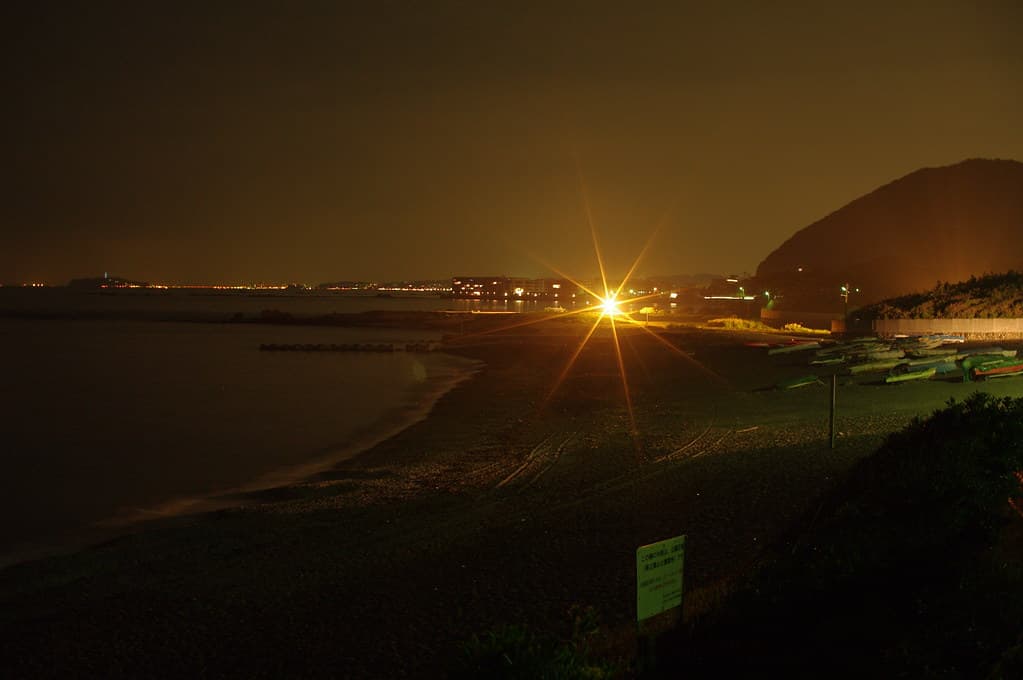
The beach at Esashi unfolds in a curve of volcanic sand, darker than charcoal, finer than silt. Winter winds from the Sea of Japan pile driftwood logs into natural sculptures, while summer brings families who spread blankets near the breakwater and wade into water that never quite loses its bite. The town behind you built its fortune on nishin—Pacific herring—and though those silver schools no longer darken the shallows each spring, the cultural memory persists in museums, festivals, and the cedar-shingled mansions of 19th-century fish barons that still line the hillside streets. You'll walk this shore watching cormorants dive beyond the surf line and scanning the horizon for the ferries that connect Hokkaido to Honshu. Low tide reveals tide pools stippled with sea urchins and purple starfish. The beach itself serves less as a sunbathing destination than as a threshold—a place where you sense how profoundly the sea shaped this community, how tides dictated prosperity, how storms wrote the town's calendar. Bring a windbreaker even in August. The cafés near the waterfront serve grilled atka mackerel caught that morning, and the local sake tastes faintly of the region's snowmelt. This is Hokkaido's quieter edge, where tourists pass through en route to somewhere else, leaving you with gulls, fishermen checking nets, and the rhythmic crash of waves on ancient stone.
Places, rentals, tours and events within walking and driving distance of Esashi Beach.
Photos
Esashi Beach is generally suitable for swimming during summer months when waters are calmer, though Hokkaido's sea temperatures remain cool year-round. The beach lacks designated lifeguard stations, so swimmers should exercise caution and stay alert to changing conditions. Water temperatures peak around 18-20°C in August. Strong currents can occur, particularly during windy days. Families with young children should supervise closely and consider sticking to shallow areas. Check local weather forecasts before swimming, as conditions in the Sea of Japan can change quickly.
July through September offers the most pleasant weather for beach activities, with temperatures ranging from 20-25°C and calmer seas. However, Esashi's coastal charm extends year-round. Spring brings beautiful cherry blossoms along the shoreline, while autumn offers stunning foliage and fewer crowds. Winter transforms the area into a dramatic seascape with snow-dusted shores, though it's too cold for swimming. The town's famous Esashi Oiwake folk song festival in August adds cultural depth to summer visits, making late summer particularly appealing for experiencing both beach and local traditions.
Esashi Beach is accessible via Route 227 along Hokkaido's southwestern coast. From Hakodate, drive approximately 90 minutes north (70km). Public transportation includes buses from Hakodate Station to Esashi town, though services are infrequent. The nearest train station is Kikonai on the Hokkaido Shinkansen line, requiring an additional bus connection. Free parking areas are available near the beach and throughout Esashi town, though spaces can fill during summer weekends and the August festival. Having a rental car provides the most flexibility for exploring this coastal region.
Esashi town offers several seafood restaurants specializing in local catches including herring, which historically brought wealth to the area. Fresh uni (sea urchin) and crab are seasonal highlights. Accommodation ranges from traditional ryokan inns to modern business hotels, mostly concentrated in the town center within walking distance of the beach. Small cafes and convenience stores provide basic provisions. The town is relatively small, so advanced booking is recommended during peak summer season and the annual Oiwake festival in August when accommodations fill quickly with domestic tourists.
Esashi Beach sits within a historically significant herring fishing region that thrived during the 19th and early 20th centuries. The town preserves several merchant mansions and warehouses from its prosperous herring boom era, now operating as museums showcasing traditional fishing methods and local maritime heritage. The Old Nakamura House and Yokoyama Family Residence near the beach area offer glimpses into this wealthy past. Interpretive signs along the waterfront explain how herring fishing shaped the community. This cultural legacy makes Esashi Beach more than just a seaside destination—it's a window into Hokkaido's coastal history.