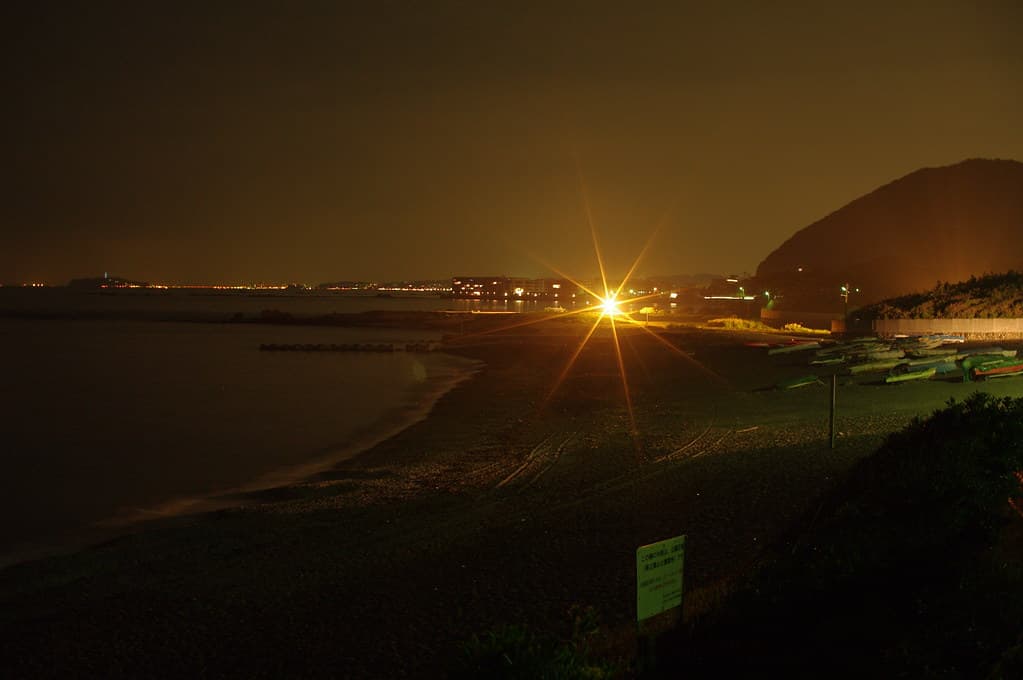
Counting the waves…
Counting the waves…
You'll find Ubagami Beach where few international travelers venture—along the southwestern coast of Hokkaido, in a town that once thrived on herring fishing but now sits quietly beside the sea. The beach runs alongside Route 229, its charcoal-colored sand a product of ancient volcanic activity that shaped this rugged coastline. Pines lean eastward, trained by persistent westerly winds that carry the mineral scent of kelp and salt spray. The water here stays bracing even in August, rarely climbing above 18°C, discouraging swimmers but creating ideal conditions for long, contemplative walks. Low tide reveals tide pools crowded with purple sea urchins and small crabs, while the shoreline collects smooth stones polished by centuries of wave action. Behind the beach, Esashi's preserved merchant quarter—Irohanomachi—tells the story of the 19th-century herring rush, when fortunes were made and ornate warehouses lined these streets. Visit during the off-season and you'll share the beach only with local fishermen checking nets and elderly residents taking their constitutional walks. The Ubagami Daijingu Shrine sits nearby, its annual festival in July bringing mikoshi processions down to the water's edge in a tradition older than modern Japan itself. This is Hokkaido stripped of tourism gloss—functional, historical, quietly beautiful in the way only working waterfronts can be.

Places, rentals, tours and events within walking and driving distance of Ubagami Beach.
Photos
Ubagami Beach is generally calm, but swimming conditions depend on the season and weather. Summer offers the most favorable conditions, though the Sea of Japan can have strong currents and cold water even in warm months. There are no lifeguards on duty, so swim at your own risk. The beach is more popular for walking and scenic views than swimming. Always check local weather conditions before entering the water, and be cautious of sudden changes in sea conditions typical of Hokkaido's coastline.
While accessible year-round, late spring through early autumn (May to September) offers the most pleasant weather for beach walks and sightseeing. Summer months provide warmer temperatures, though it rarely gets hot. Winter visits offer dramatic seascapes with snow-covered shores, but expect cold winds and limited services. The historic Ubagami Daijingu Shrine nearby hosts its main festival in August, making it an excellent time to combine cultural experiences with your beach visit. Autumn brings beautiful colors to the surrounding area.
Ubagami Beach is located in Esashi town, accessible by car or public transport. From Hakodate, take Route 227 north for about 90 minutes by car. Free parking is available near the beach and Ubagami Daijingu Shrine. By public transport, take the JR Hakodate Line to Kikonai Station, then transfer to a bus bound for Esashi (approximately 40 minutes). The beach is a short walk from Esashi town center. Rental cars offer the most flexibility for exploring this remote coastal area.
Esashi town center, within walking distance, offers local restaurants serving fresh seafood, particularly herring, which the area is historically famous for. You'll find small family-run eateries and izakayas rather than tourist restaurants. Accommodation options include traditional minshuku (guesthouses) and small business hotels in Esashi. Facilities directly at the beach are limited, so plan to access amenities in town. Some lodgings offer views of the Sea of Japan and serve local Hokkaido cuisine featuring the region's fishing heritage.
Ubagami Beach is closely tied to Esashi's history as a prosperous Edo-period herring fishing port. The nearby Ubagami Daijingu Shrine, one of Hokkaido's oldest Shinto shrines, overlooks the beach and has protected the town since 1447. The area preserves heritage buildings from the herring boom era. During summer, the shrine hosts traditional festivals where ornate floats parade through town. The quiet shoreline offers a glimpse into northern Japan's maritime history, contrasting sharply with more developed Hokkaido beach destinations.