Counting the waves…
Counting the waves…
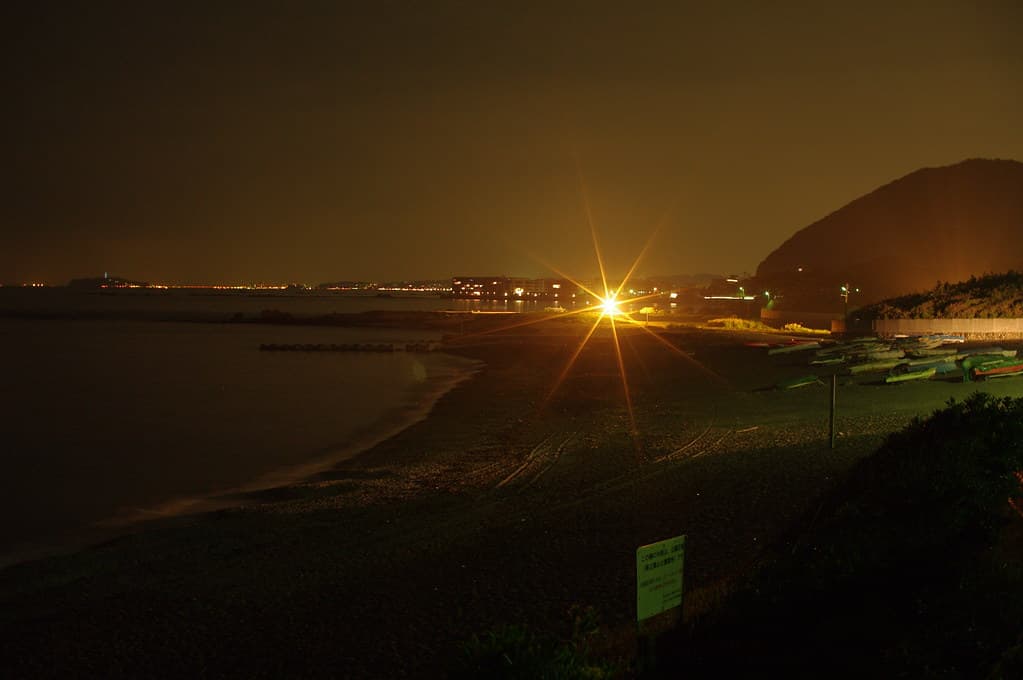
The Sea of Japan pounds Kaminokuni Beach with a persistence that has shaped this coastline for millennia. Dark sand gives way to shelves of stratified rock, layered like the pages of a geology textbook left open to the Miocene epoch. You walk along a shore where driftwood accumulates in silvered tangles and kelp dries in ropes across the stones. The air tastes of salt and carries the mineral smell of exposed seaweed at low tide. Unlike Hokkaido's more famous beaches farther east, Kaminokuni remains largely unvisited, its access roads narrow and its facilities minimal. The town itself is a fishing community first, a destination second. You might share the beach with a lone angler casting into the surf or a grandmother collecting seaweed, but rarely with tour buses. The water stays frigid even in August, discouraging all but the most determined swimmers. What draws you here isn't comfort but honesty. The beach makes no promises of convenience or Instagram-ready perfection. Instead, it offers long stretches of solitude, the kind of coastal walking that empties your mind, and views across the Tsugaru Strait toward the shadowy outline of Honshu. In winter, storm systems roll in with dramatic speed, painting the sky in bruised purples and grays. In summer, wildflowers dot the bluffs above the tideline, their yellow and purple blooms startling against basalt-dark stone.
Places, rentals, tours and events within walking and driving distance of Kaminokuni Beach.
Photos
Kaminokuni Beach is primarily known for its scenic natural coastline rather than swimming. Swimming conditions vary significantly by season, with cold water temperatures common in Hokkaido. The beach lacks lifeguard services and designated swimming zones, so visitors should exercise caution. The coastline can experience strong currents and waves, particularly during stormy weather. If you plan to enter the water, stay close to shore and monitor local weather conditions. Most visitors come for coastal walks, photography, and enjoying the rugged natural beauty rather than swimming activities.
While accessible year-round, Kaminokuni Beach offers different experiences by season. Summer (June-August) provides the warmest weather for coastal walks and picnics, with temperatures around 20-25°C. Autumn brings stunning foliage contrasts against the coastline. Winter visits reveal dramatic seascapes with possible snow-covered shores, though temperatures drop below freezing. Spring offers fewer crowds and fresh coastal scenery. For comfortable weather and extended daylight, visit between May and September. However, each season showcases the beach's natural beauty differently, so timing depends on your preferred experience and tolerance for Hokkaido's variable climate.
Kaminokuni Beach is located in southwestern Hokkaido along the Sea of Japan coast. By car, it's approximately 2-3 hours from Hakodate via Route 228, following the coastal highway north through Kaminokuni town. Rental cars offer the most flexibility for exploring this rural area. Public transportation is limited; the nearest JR station is some distance away, making independent travel challenging without a vehicle. Parking availability varies depending on which section of the coastline you visit, with informal roadside parking common along coastal access points. Check local signage and avoid blocking access roads.
Kaminokuni is a small coastal town with modest amenities. You'll find local restaurants serving Hokkaido seafood, particularly seasonal catches from the Sea of Japan, though options are limited compared to larger cities. Small family-run eateries and convenience stores provide basic provisions. Accommodation includes a few minshuku (Japanese guesthouses) and small hotels in Kaminokuni town center, several kilometers from the beach. For more extensive lodging and dining options, consider staying in Matsumae (30km north) or returning to Hakodate. Bring supplies if planning extended beach time, as facilities directly at the coastline are minimal.
Kaminokuni Beach features a rugged, undeveloped natural coastline characteristic of Hokkaido's Sea of Japan shore. Unlike manicured resort beaches, this area maintains its wild character with rocky formations, natural vegetation, and dramatic coastal scenery. The region's relative isolation has preserved its authentic atmosphere, making it appealing for travelers seeking off-the-beaten-path experiences. The coastline offers excellent opportunities for nature photography, beachcombing, and observing the raw power of the sea. This hidden gem provides a contrast to Hokkaido's more famous tourist destinations, rewarding visitors with peaceful, scenic coastal landscapes and genuine local atmosphere.