Counting the waves…
Counting the waves…

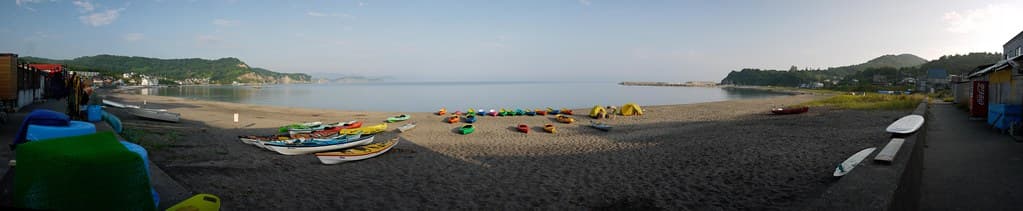
Omori Beach stretches nearly two kilometers along Hakodate's western shore, caught between the city's pulse and the Tsugaru Strait's cold currents. You'll walk a paved promenade where cyclists whiz past convenience-store coffee in hand, the sea wall dotted with anglers casting for flounder. The sand itself is dark and pebbly—volcanic remnants from the island's restless geology—and the water stays numbingly cold year-round, fed by currents that sweep down from the Sea of Okhotsk. What draws you here isn't swimming or sunbathing but the interplay of urban rhythm and maritime vastness. Office buildings and ramen shops line the inland side; seaward, container ships inch toward the port while seabirds ride the wind. Locals come at sunset, when the sky bruises pink and orange above Mount Hakodate's silhouette, the city's ropeway gondolas glinting like fireflies on the slope. You'll notice the seasonal shifts acutely: ice floes visible offshore in February, the scent of grilled squid from food stalls in summer, autumn winds that turn the bay choppy and steel-gray. The beach never empties completely—there's always someone walking a dog, photographing the lighthouse, or simply standing at the water's edge where the city meets the sea.
Places, rentals, tours and events within walking and driving distance of Omori Beach.
Photos
Omori Beach is generally safe for wading and beach activities, but swimming conditions vary seasonally. The water is warmest from July to August, though still quite cool compared to southern Japan beaches. Strong currents can occur, and there are no lifeguards on duty year-round. The beach is more popular for strolling, sunset viewing, and relaxation than swimming. During winter months, the beach is not suitable for swimming due to very cold temperatures. Always check local conditions before entering the water.
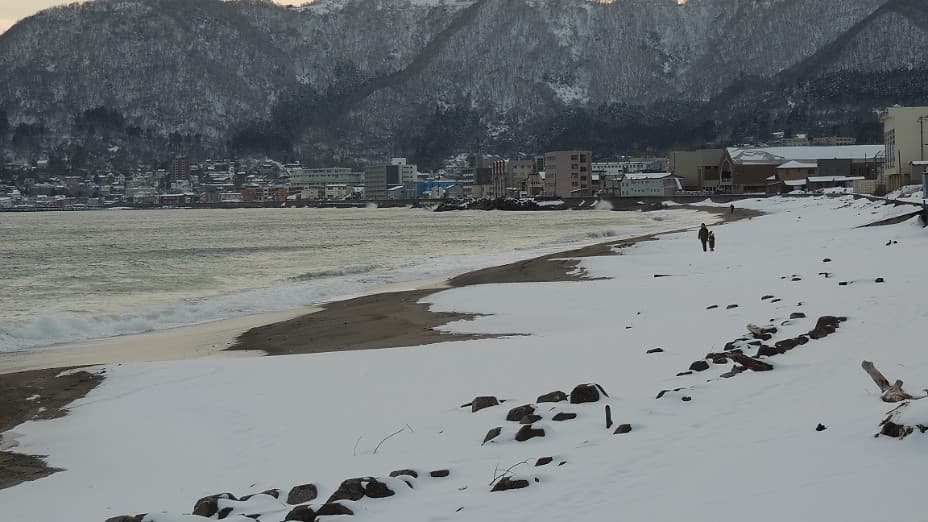
Omori Beach is accessible year-round, with each season offering different experiences. Summer (July-August) provides the warmest weather for beach activities and sunset viewing. Spring and autumn offer pleasant temperatures with fewer crowds, ideal for peaceful walks along the waterfront. Winter transforms the beach into a quiet, scenic spot, occasionally with snow-covered shores contrasting against the sea. The beach faces west, making late afternoon and early evening the best times daily for spectacular sunset views over the water.
Omori Beach is easily accessible from central Hakodate. Take the Hakodate City Tram to Omori-cho Station, then walk approximately 5 minutes to the beach. By car, the beach is about 10 minutes from Hakodate Station via Route 278. Free parking is available along the beachfront road, though spaces can fill during summer weekends and sunset hours. The beach's urban location makes it convenient for visitors staying anywhere in Hakodate, with regular public transportation options available throughout the day.
Omori Beach is situated in a residential area with several amenities nearby. You'll find convenience stores within walking distance for snacks and drinks, and local restaurants serving Hokkaido specialties including seafood are scattered throughout the neighborhood. The beach itself has basic facilities including public restrooms. For more dining options and accommodations, the Yunokawa Onsen hot spring resort area is just a few minutes away, offering numerous hotels, ryokans, and restaurants. Central Hakodate with extensive dining and lodging is approximately 15 minutes away.
While Omori Beach doesn't offer the iconic butterfly-shaped night view seen from Mount Hakodate, it provides a unique waterfront perspective of the city's lights reflecting on the water. The beach is better known for stunning sunset views, as it faces west across the Tsugaru Strait. After sunset, you can see illuminated parts of the city coastline and, on clear evenings, the lights of Honshu island across the strait. For the classic Hakodate night view, you'll need to visit Mount Hakodate separately.