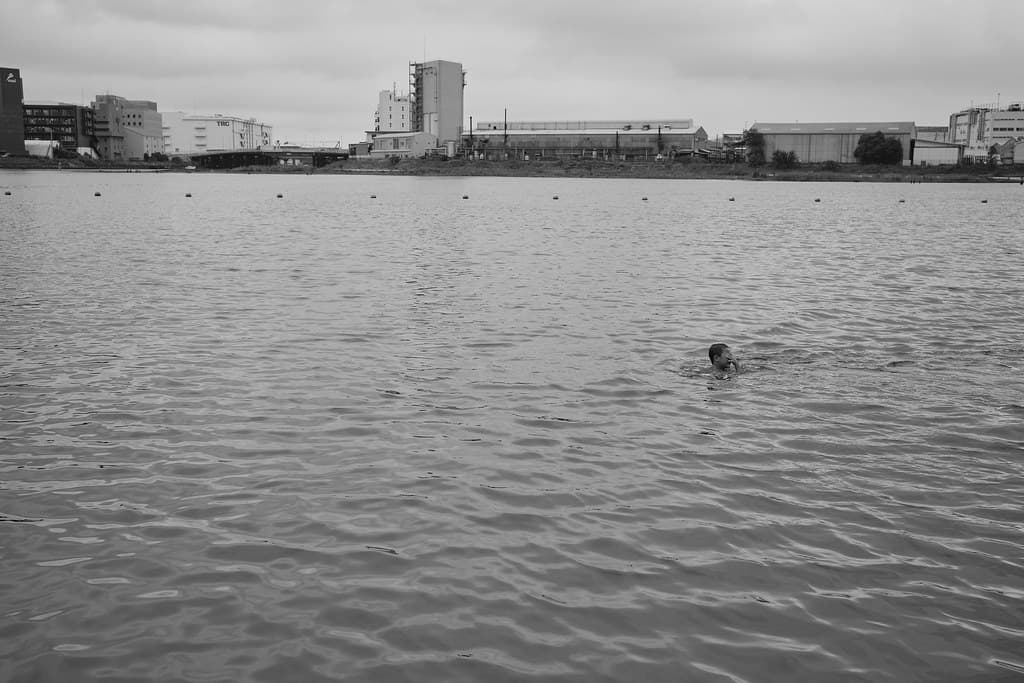
Counting the waves…
Counting the waves…
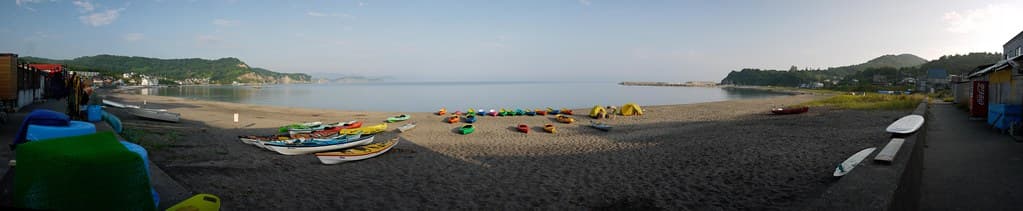
Nanaehama Beach unfolds along Hokuto's coastline as a local refuge, not a postcard destination. The volcanic sand absorbs heat through summer afternoons, radiating warmth beneath your feet even as the breeze off the Tsugaru Strait carries the cool breath of northern waters. Families claim their territory with folding chairs and coolers, while retirees stroll the tideline at dawn, bending occasionally to examine smooth stones tumbled by centuries of wave action. The beach lacks the manufactured charm of resort strips—no rental umbrellas, no designated swim zones marked by buoys—just an honest expanse of shore where the Pacific's western edge laps against Hokkaido's undeveloped coast. The water temperature tells you exactly where you are: even in August, the strait's currents deliver a bracing clarity that keeps swims brief and purposeful. Come autumn, the beachcombing improves as storms churn the seabed and deposit tide pools thick with kelp and small crustaceans. Winter transforms the strand into a windswept meditation on solitude, the dark sand dusted occasionally with snow that melts within hours. You'll share the space with Hokuto residents who've claimed this beach as theirs by habit rather than ownership—the retired couple who walks here before breakfast, the father teaching his daughter to skip stones, the teenager photographing the way afternoon light catches the strait's restless surface. No one's performing for anyone else. That's the entire point.
Places, rentals, tours and events within walking and driving distance of Nanaehama Beach.
Photos
Nanaehama Beach is generally calm and suitable for families, but swimming conditions depend on the season and weather. During summer months, the water is more accessible, though Hokkaido's ocean temperatures remain cool compared to southern Japan. The beach lacks lifeguards and formal swimming supervision, so visitors should exercise caution and monitor children closely. Check local conditions before entering the water, as currents can vary. The beach's protected location typically means gentler waves, making it more appropriate for wading and playing rather than serious swimming.
While technically accessible year-round, Nanaehama Beach is most enjoyable from late June through August when temperatures are warmest. Summer offers the best beach weather, though even then Hokkaido remains cooler than mainland Japan. Spring and autumn provide beautiful coastal scenery with fewer visitors, ideal for peaceful walks and photography. Winter visits are possible but very cold, with snow-covered shores creating dramatic landscapes. Local families typically visit during summer holidays in July and August. Sunset viewing is spectacular throughout the year along this stretch of Hokkaido's western coastline.
Nanaehama Beach is located in Hokuto city, approximately 30 minutes by car from Hakodate. The most practical access is by rental car, as public transportation options are limited to this local beach. From Hakodate, follow Route 228 northward along the coast. Free parking is typically available near the beach access points, though facilities are basic compared to major tourist beaches. The beach isn't well-marked with international signage, so using GPS navigation is recommended. No direct train service exists to the beach itself.
Nanaehama Beach has minimal on-site facilities, reflecting its local, uncommercialized character. There are no beachfront restaurants or shops directly at the beach, so visitors should bring food, drinks, and supplies from Hokuto city or Hakodate. Basic restrooms may be available seasonally. For dining and shopping, head to central Hokuto or return to Hakodate where full services exist. Accommodations are limited in immediate proximity; most visitors stay in Hakodate and make Nanaehama a day trip. This lack of development preserves the beach's quiet, authentic atmosphere.
Nanaehama Beach offers an authentic local experience away from tourist crowds, popular with Hokuto residents rather than international visitors. Unlike developed beaches near Hakodate or Otaru, it maintains a natural, uncommercialized atmosphere with minimal facilities. The beach provides excellent views across Uchiura Bay toward Mount Komagatake, creating distinctive scenery. Its relative obscurity means you'll likely share the sand with local families rather than tour groups, offering genuine insight into how Hokkaido residents enjoy their coastline. The peaceful setting is ideal for those seeking quieter alternatives to famous beaches.