Counting the waves…
Counting the waves…

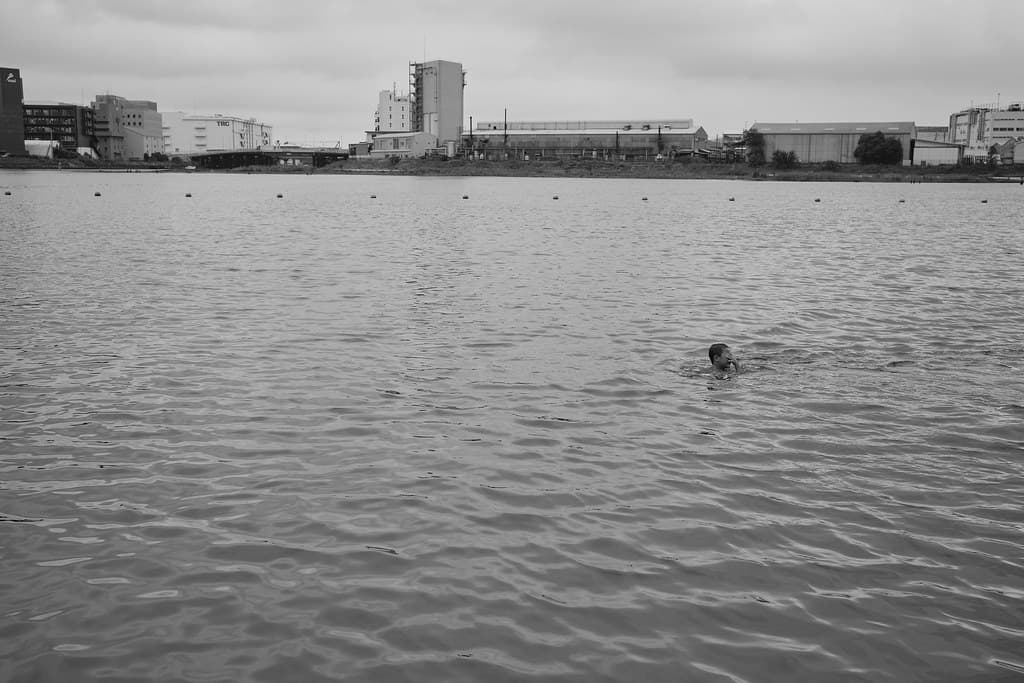
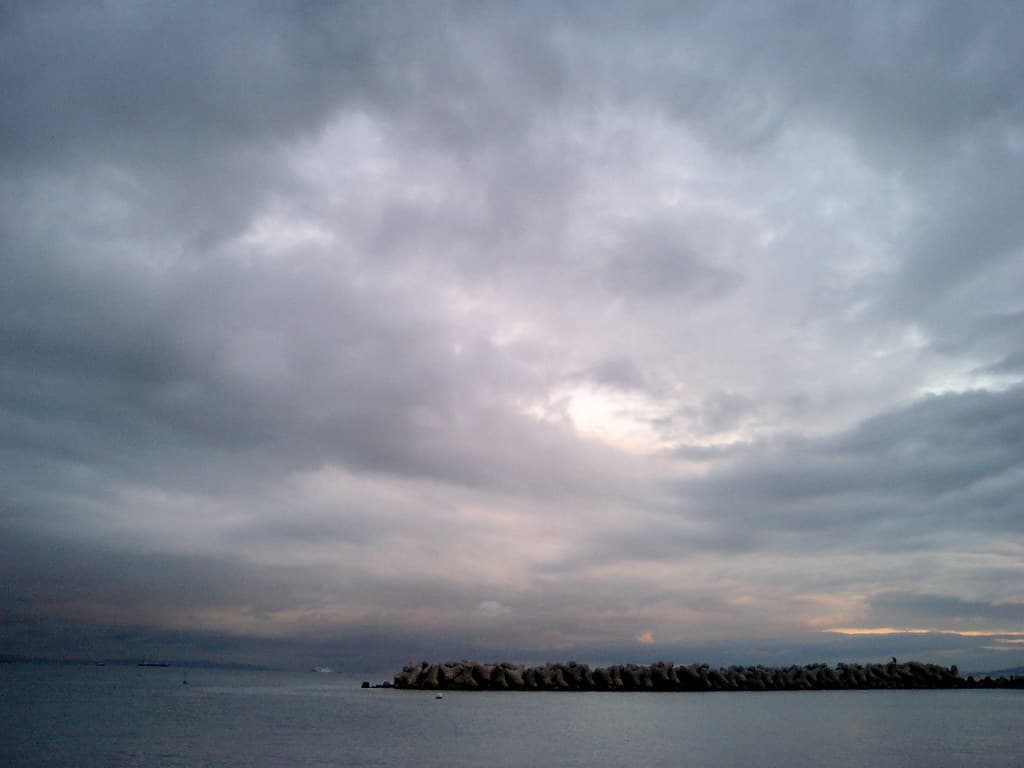
Shioya Beach unfolds along Hakodate's southwestern coast like a working postcard—fishing nets drying on weathered posts, gulls circling above tidal pools pocked with sea urchins, the occasional grandmother wading knee-deep to harvest seaweed. The beach runs narrow and ungroomed, hemmed by a modest seawall and a handful of wooden houses whose blue paint has faded to the color of old denim. You won't find umbrellas or lifeguard stands here, just pebble-flecked charcoal sand that crunches underfoot and water so cold it makes your shinbones ache within seconds. The Tsugaru Strait stretches north toward the shadow of Oshima Peninsula, its surface ruffled by winds that carry the briny scent of konbu beds and diesel from the occasional fishing boat puttering past. Behind you, Mount Hakodate's wooded cone rises steeply, close enough that you can make out individual pines on its flanks. Locals arrive in the early morning or late afternoon, parking along the narrow access road to walk their dogs or simply sit on the seawall with thermoses of tea, watching ferries slide across the horizon. The beach never crowds. Even on summer weekends, you might count a dozen people scattered along its length—families letting children splash in the shallows under watchful eyes, photographers setting up tripods to catch the light raking across the strait, solitary walkers combing the tideline for smooth stones and driftwood sculpted by the Tsugaru current.
Places, rentals, tours and events within walking and driving distance of Shioya Beach.
Photos
Shioya Beach in Hakodate is generally calm and suitable for wading, but swimming conditions depend on the season. During summer months, the water remains quite cold due to Hokkaido's northern location, typically ranging 15-20°C. The beach has no lifeguards on duty, so swim at your own risk. The shoreline is rocky in places, so water shoes are recommended. Strong currents can occur, particularly during changing tides. Always check local weather conditions before entering the water and exercise caution with children.
While accessible year-round, Shioya Beach is most pleasant from late May through September when temperatures are warmest. Summer (July-August) offers the best beach weather, though it rarely gets hot by typical beach standards. Spring and autumn provide beautiful scenery with fewer visitors, ideal for peaceful walks and photography. Winter visits offer dramatic seascapes and possible snow-covered shores, but dress warmly as coastal winds can be biting. Sunrise and sunset are particularly photogenic regardless of season.
Shioya Beach is located in eastern Hakodate, approximately 30 minutes by car from central Hakodate. From Hakodate Station, take a bus toward Shioya or drive along Route 100 following coastal roads. Limited free parking is available near the beach area. Public transportation options exist but are infrequent, making a rental car the most convenient option. The beach is relatively quiet and undeveloped, so don't expect large parking facilities. GPS coordinates or a Japanese address are helpful for navigation.
Shioya Beach is a quiet, local spot with limited immediate amenities. You'll find a few small local restaurants and convenience stores in the surrounding Shioya neighborhood, but options are modest compared to central Hakodate. Most visitors stay in downtown Hakodate, about 30 minutes away, where hotels and dining are plentiful. Pack snacks and drinks for your beach visit. There are no beach facilities like showers or changing rooms. The area's charm lies in its peaceful, undeveloped character rather than tourist infrastructure.
Shioya Beach stands out for its peaceful, local atmosphere away from tourist crowds. Unlike the more developed beaches near Hakodate's city center, Shioya retains an authentic, unhurried character favored by locals. The beach offers scenic views across the Tsugaru Strait and features a mix of sand and pebbles with interesting rock formations. It's ideal for quiet contemplation, beachcombing, and photography rather than active swimming or water sports. The surrounding area reflects traditional Hokkaido coastal life, providing a genuine glimpse into local culture.