Counting the waves…
Counting the waves…
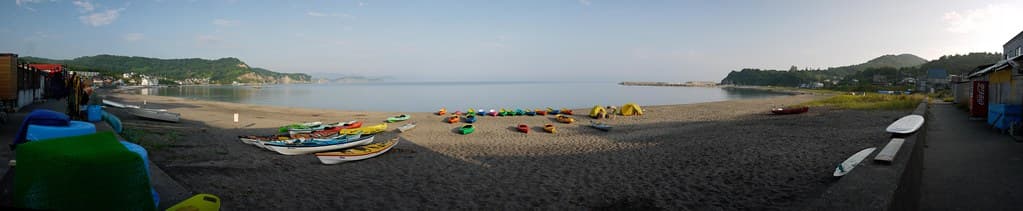
The beach unfolds in a gentle arc along Hokuto's southwestern edge, its charcoal sand composed of eroded volcanic rock that warms quickly under summer sun. Low tide reveals tide pools studded with purple urchins and kelp holdfasts, while driftwood—silvered and smooth—litters the high-water line. Behind you, coastal pines lean eastward, shaped by prevailing winds that sweep across the Sea of Japan. This is beach-going stripped to its essentials: no umbrellas for rent, no beach bars blasting J-pop. Families spread blankets near the parking area, children crouching to examine hermit crabs while parents unpack rice balls and thermoses of barley tea. The water stays brisk even in August, but locals wade in without hesitation, their laughter carrying over the surf. Cormorants dive offshore, emerging with silver flashes of fish. Visit at dawn and you'll have the shoreline nearly to yourself, morning mist lifting off the water in sheets. Winter transforms the beach into a study in grays—slate sky, pewter waves, gunmetal sand—punctuated by orange floats from fishing nets. The lack of commercial polish is precisely the point. Moheji remains what beaches were before we decided they needed improvement: a place where land negotiates with water, and you're welcome to witness the conversation.
Places, rentals, tours and events within walking and driving distance of Moheji Beach.
Photos
Moheji Beach is generally calm and suitable for wading and paddling, making it popular with families. However, swimming conditions vary with weather and season. The beach lacks lifeguards and designated swimming areas, so caution is advised. Waters can be chilly even in summer due to Hokkaido's northern latitude. Always check local conditions before entering the water, supervise children closely, and be aware of currents. The beach is better suited for beachcombing, relaxation, and scenic walks rather than extensive swimming activities.
Moheji Beach is accessible year-round, with each season offering distinct experiences. Summer (July-August) provides the warmest weather for beach activities, though temperatures remain moderate compared to mainland Japan. Spring and autumn offer pleasant conditions for coastal walks with fewer crowds. Winter transforms the beach into a dramatic, windswept landscape, ideal for photography but requiring warm clothing. The beach's relaxed atmosphere means it rarely feels overcrowded. Early morning and late afternoon provide the best light for photography and peaceful beach experiences regardless of season.
Moheji Beach is located in Hokuto, southern Hokkaido, best accessed by car. From Hakodate, drive approximately 30-40 minutes north along coastal roads. Public transportation options are limited, making a rental car the most practical choice for visitors. Free parking is typically available near the beach access points, though facilities may be basic. The area is relatively rural, so GPS or detailed maps are recommended. The drive itself offers scenic coastal views, making the journey part of the experience when exploring Hokkaido's shoreline.
Moheji Beach is in a relatively rural area with limited immediate facilities. Visitors should plan accordingly and bring supplies, especially food and drinks. The nearby town of Hokuto offers some dining options and convenience stores within a short drive. For accommodation, most visitors base themselves in Hakodate, which has extensive hotels, ryokans, and restaurants, and is only 30-40 minutes away. Some guesthouses and minshuku (family-run inns) exist in the surrounding countryside. The beach itself has minimal amenities, so come prepared for a natural, undeveloped coastal experience.
Moheji Beach stands out for its relaxed, uncrowded atmosphere and authentic local character. Unlike more developed resort beaches, it retains a natural, unspoiled quality that appeals to visitors seeking tranquility. The beach offers scenic views across the Tsugaru Strait toward Honshu on clear days. Its accessibility throughout the year makes it appealing for those interested in experiencing Hokkaido's dramatic seasonal changes. The beach is also favored by locals, providing a more genuine glimpse into everyday coastal life in southern Hokkaido rather than a tourist-focused experience.