Counting the waves…
Counting the waves…
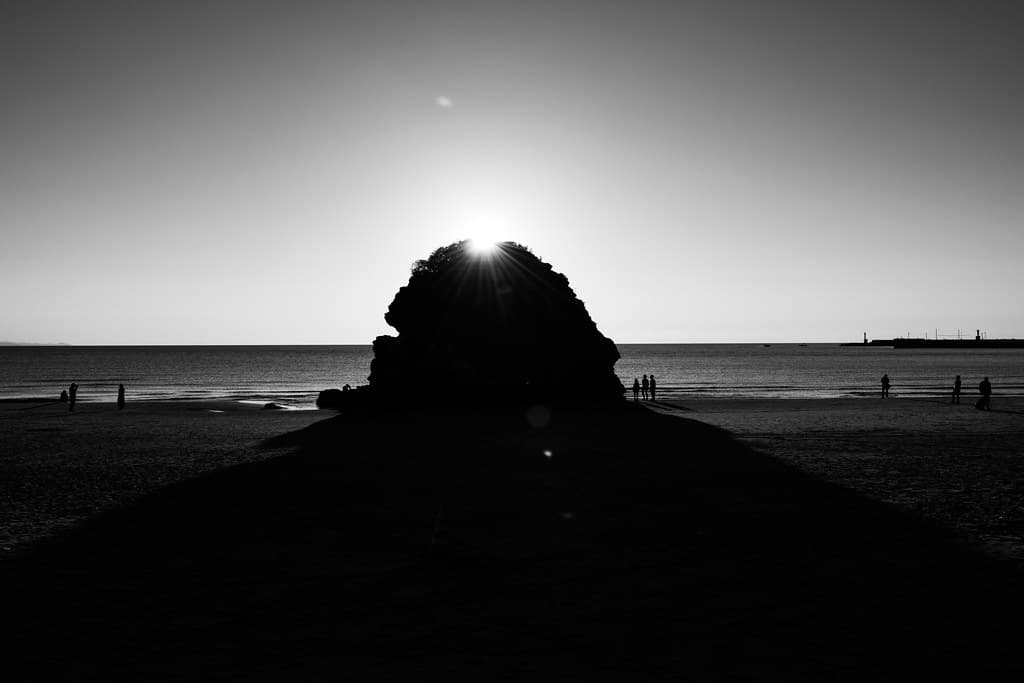
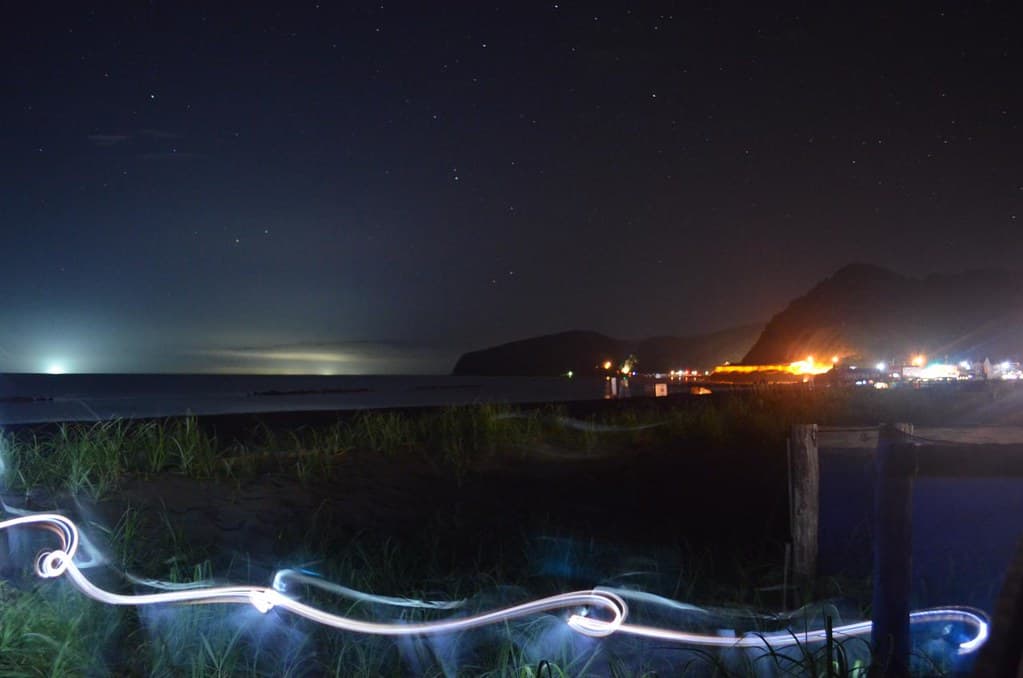
The first thing you notice at Atsuta Cove isn't the water—it's the quiet. Tucked fifteen minutes north of Ishikari's fishing port, this compact beach sits in a natural amphitheater of volcanic rock, insulated from highway noise and summer crowds. Smooth grey stones, polished by centuries of wave action, slope gently into the Sea of Japan. Gulls patrol the shoreline while knotted pines lean inland, shaped by the same northwesterly winds that push whitecaps across the bay. The cove's character shifts with Hokkaido's dramatic seasons. June brings wildflowers to the cliff edges—purple vetch and yellow stonecrop against black rock. August swimmers brave the 18-degree water in quick, gasping plunges. By November, the first ice floes appear on the horizon, and the beach becomes a staging ground for winter photographers tracking the southward drift. Even in July, you'll rarely share the stones with more than a handful of locals. Access requires intention. A narrow gravel track winds down from the coast road, ending at a small parking area where the asphalt gives out. From there, a three-minute walk through beach grass delivers you to the waterline. No facilities, no vendors—just the cove, the cold current, and the sense that you've slipped off Hokkaido's tourist grid entirely.
Places, rentals, tours and events within walking and driving distance of Atsuta Cove Beach.
Photos
Atsuta Cove Beach is a small, scenic cove with generally calm waters due to its protected location. However, swimming conditions can vary with weather and season. The beach is relatively undeveloped without lifeguards on duty, so visitors should exercise caution and assess conditions themselves. Sea temperatures in Hokkaido are cold even in summer, typically reaching only 18-20°C at warmest. Strong currents can occur during storms or high tide. Always check local weather forecasts before visiting and avoid swimming alone or in rough conditions.
While accessible year-round, Atsuta Cove Beach is most pleasant from late June through September when temperatures are warmer and days are longer. July and August offer the mildest weather, though Hokkaido summers remain relatively cool compared to mainland Japan. Spring and autumn provide stunning scenery with fewer visitors, ideal for photography and peaceful walks, though expect cooler temperatures. Winter visits reveal dramatic seascapes with possible snow coverage, but bring appropriate cold-weather gear. Early morning and sunset visits offer particularly beautiful light for this scenic cove.
Atsuta Cove Beach is located in Ishikari, north of Sapporo, and is most easily accessed by car. From central Sapporo, drive approximately 40-50 minutes via Route 231 along the coast. The beach is somewhat hidden and may require careful navigation using GPS coordinates or Japanese mapping apps. Parking availability is limited as this is a small, less-developed beach. Public transportation options are minimal, making a rental car the most practical choice for visitors. Be prepared for potentially unmarked access roads typical of hidden coastal spots.
As a hidden, small cove, Atsuta Cove Beach has minimal on-site facilities. Visitors should not expect restrooms, changing rooms, or food vendors directly at the beach. The nearest amenities are in Ishikari city, where you'll find restaurants serving local seafood, convenience stores, and basic services. For accommodations, Ishikari offers some guesthouses and small hotels, while Sapporo (40-50 minutes away) provides extensive lodging options. Pack your own food, drinks, and supplies for beach visits, and plan to use facilities before arriving at this undeveloped location.
Atsuta Cove Beach stands out for its intimate, hidden character and scenic beauty rather than typical beach activities. The small cove offers dramatic coastal landscapes characteristic of Hokkaido's rugged shoreline, with rocky formations and often fewer crowds than more accessible beaches. Its protected position creates a peaceful atmosphere perfect for photography, quiet contemplation, and nature appreciation. The combination of relative isolation and natural beauty makes it appealing to travellers seeking off-the-beaten-path coastal experiences. It's ideal for those prioritizing scenery and tranquility over developed beach infrastructure or water sports.