Counting the waves…
Counting the waves…

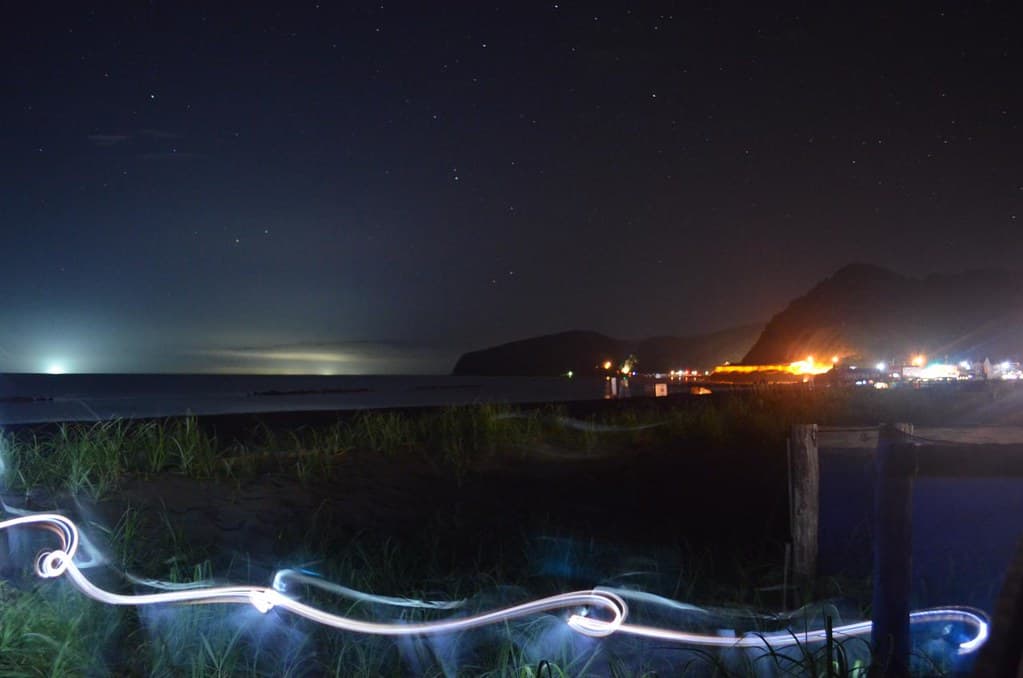
The Sea of Japan meets Hokkaido's western shore at Benten Beach with none of the ceremony you might expect—no boardwalks, no umbrella rentals, just charcoal-gray sand stretching north toward the Ishikari River mouth. Wind-bent pines fringe the dunes, their needles releasing sharp, resinous scent when the breeze picks up. On weekdays, you might share the beach with a handful of surf fishermen casting into the foam or a local walking a dog along the tideline. The water stays bracingly cold even in July, fed by currents sweeping down from the Sea of Okhotsk. Most visitors come for the walking—miles of uninterrupted shoreline where kelp tangles with bleached driftwood and tiny shells collect in the troughs left by receding waves. In summer, wild roses and beach peas bloom pink and purple against the sand; by November, the first snows dust the pine canopy and the beach takes on a monochrome austerity that feels almost Scandinavian. Ishikari's fishing heritage surfaces in the weathered concrete tetrapods scattered along the shore and the occasional fishing boat bobbing offshore. The beach lacks facilities, which preserves its essential quietness—bring your own provisions, wear layers against the changeable coastal weather, and prepare to have long stretches of sand entirely to yourself.
Places, rentals, tours and events within walking and driving distance of Benten Beach.
Photos
Benten Beach is generally suitable for wading and shoreline activities, but swimming conditions require caution. Hokkaido's coastal waters remain cold year-round, even in summer, which limits comfortable swimming. The beach has minimal lifeguard presence and facilities, so visitors should exercise personal judgment about water safety. Currents can be unpredictable, and the remote nature means emergency response may be slower than at developed beaches. It's best enjoyed for scenic walks, photography, and beach exploration rather than serious swimming.
Benten Beach offers year-round appeal but different experiences per season. Summer (June-August) provides the warmest weather for beach walks and the most comfortable temperatures, though still cooler than Japan's southern beaches. Spring and fall offer stunning coastal scenery with fewer visitors and dramatic skies. Winter transforms the beach with snow-covered shorelines and powerful waves, creating unique photography opportunities. Early morning and sunset visits provide the best light for capturing Hokkaido's coastal beauty regardless of season.
Benten Beach is located in Ishikari, approximately 30-40 minutes north of Sapporo by car via Route 231. Having your own vehicle is recommended as public transportation options are limited. The beach has basic parking areas available, though facilities are minimal compared to developed tourist beaches. From central Ishikari, follow local roads toward the coast. The relatively remote location means fewer crowds but also means planning your journey in advance is essential, especially if relying on infrequent local buses.
Benten Beach is a relatively undeveloped area with limited immediate amenities. The nearby town of Ishikari offers seafood restaurants, convenience stores, and basic services, with Ishikari being famous for its salmon dishes. For accommodations, staying in Sapporo provides more options and is within reasonable driving distance. Some visitors prefer day trips from Sapporo. Pack food, water, and supplies before visiting, as beachside facilities are minimal. The quieter nature is part of the beach's appeal for those seeking tranquility.
Benten Beach stands out for its unspoiled, quiet character compared to more developed Hokkaido coastal areas. Its proximity to Sapporo while maintaining a hidden, local feel attracts photographers and those seeking solitude. The beach offers raw coastal beauty without commercial development, featuring natural driftwood, dramatic sea views, and authentic Hokkaido seaside atmosphere. It's particularly valued by locals as an escape from tourist crowds, offering genuine coastal tranquility and connection with Hokkaido's rugged natural landscape rarely found near major cities.