Counting the waves…
Counting the waves…

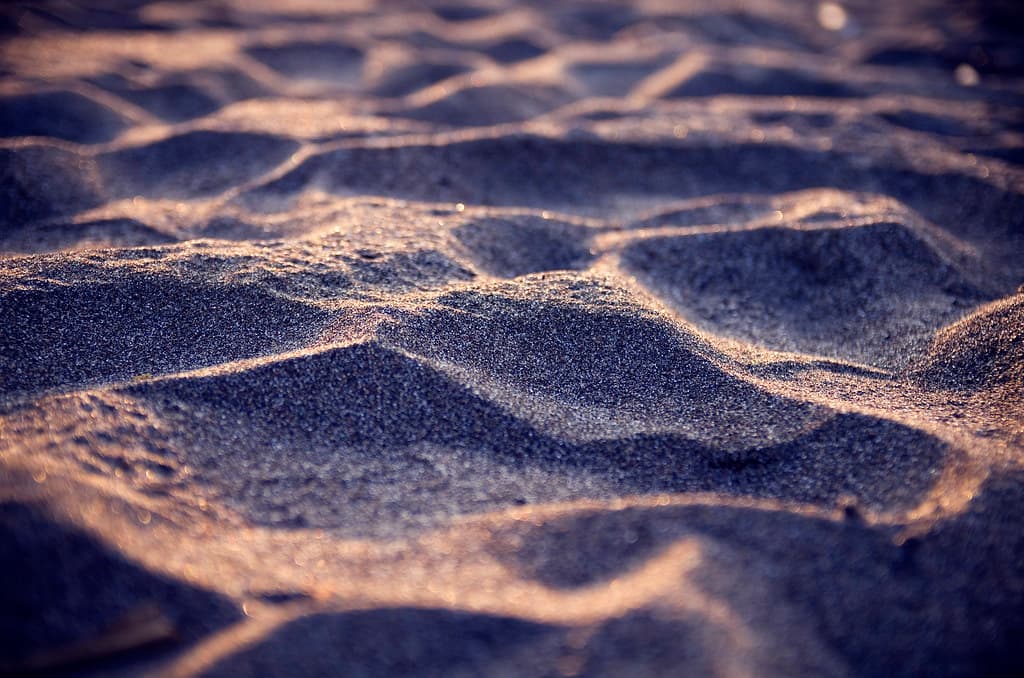
Ishikari Beach unfurls along Hokkaido's western coast thirty minutes north of Sapporo, where the Ishikari River disgorges into the Sea of Japan. The sand here is not white but gunmetal gray, crushed from volcanic rock and fringed by windswept pines. In summer, the beach swells with locals escaping the city—children dig trenches near the tideline, and portable grills send smoke curling into the salted air. The water stays brisk even in July, a reminder that this is northern Japan, where pack ice once drifted close enough to see. The beach earned its reputation not through tropical fantasy but through accessibility and scale. At low tide, the shore widens into an enormous canvas where you can walk for kilometers without obstruction. Food stalls near the parking area sell grilled scallops and corn slathered in soy butter, the kind of unpretentious fuel that tastes better with sand between your toes. In autumn, the beach empties, and the light turns amber as migrating birds stop along the dunes. Come for sunset when the sky fractures into bands of violet and flame, and the silhouette of distant mountains sharpens against the horizon. Ishikari Beach does not perform; it simply exists—a working coastline where fishermen still haul nets and the rhythm of the sea refuses to be romanticized. You leave with damp shoes and the faint scent of brine in your hair, convinced that this quiet shore knows something the famous beaches have forgotten.
Places, rentals, tours and events within walking and driving distance of Ishikari Beach.
Photos
Swimming at Ishikari Beach is generally safe during the official summer season (late June to August) when lifeguards are on duty. The beach has designated swimming areas with safety nets to protect swimmers from strong currents. However, Hokkaido's ocean temperatures remain quite cold even in summer, typically ranging from 15-20°C (59-68°F). Outside the supervised season, swimming is not recommended due to absence of lifeguards and potentially dangerous conditions. Always check weather forecasts and local advisories, as the Sea of Japan can experience sudden changes in wave conditions.
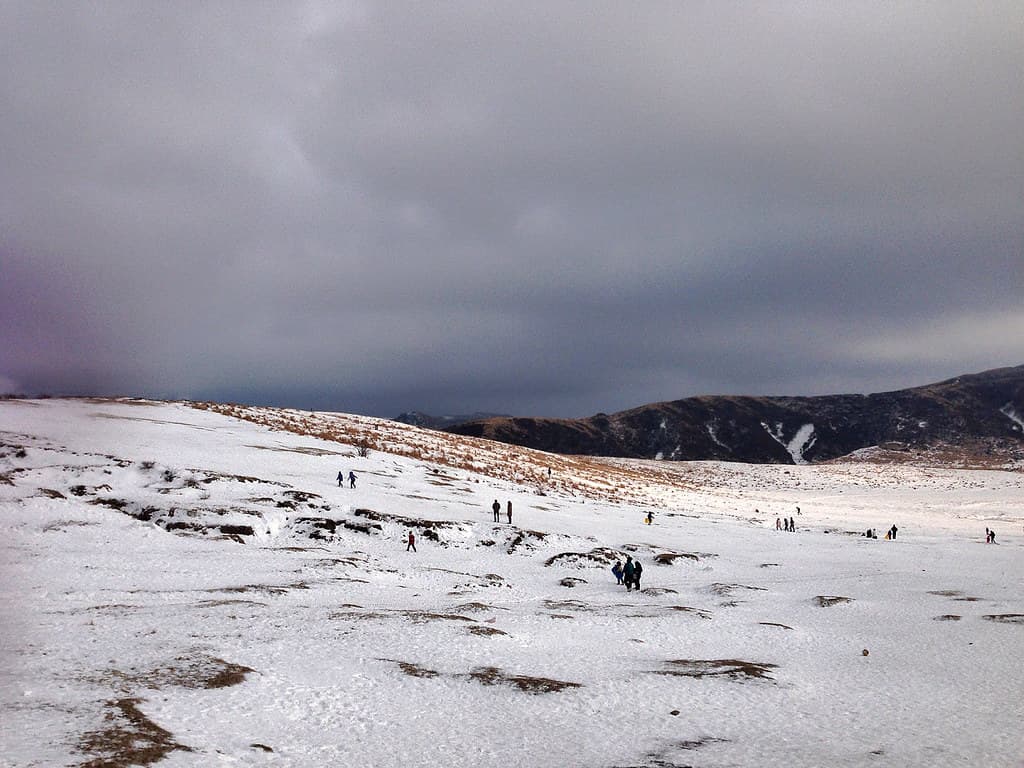
The peak season for Ishikari Beach is July and August when temperatures are warmest and full facilities operate. However, the beach offers year-round appeal for different activities. Summer attracts swimmers and sunbathers, while spring and autumn are ideal for peaceful walks and stunning sunsets with fewer crowds. Winter transforms the beach into a dramatic landscape perfect for photography, with ice formations along the shore. If you're specifically interested in swimming, visit between late June and late August. For spectacular sunset views without the crowds, May-June or September-October offer comfortable weather and beautiful light.
Ishikari Beach is approximately 25 kilometers from central Sapporo, about 40 minutes by car via Route 231. The most convenient option is driving, with multiple large parking lots available near the beach that accommodate hundreds of vehicles. Parking is typically free outside peak summer season, though fees may apply in July-August. Public transportation is limited; you can take the Hokkaido Chuo Bus from Sapporo Station to Ishikari, then transfer to a local bus toward the beach area, but this takes 90+ minutes. Taxis from Sapporo are available but expensive for the distance.
Ishikari Beach has several beachside facilities including seasonal food stalls and restaurants serving fresh seafood, particularly the local specialty Ishikari-nabe (salmon hot pot). The nearby town of Ishikari, a short drive away, offers more dining options featuring Hokkaido's famous seafood. For accommodations, options directly on the beach are limited, but the town of Ishikari has several business hotels and guesthouses. Many visitors stay in Sapporo and make a day trip. Basic amenities like restrooms, changing rooms, and shower facilities are available at the beach during summer season, with some facilities open year-round.
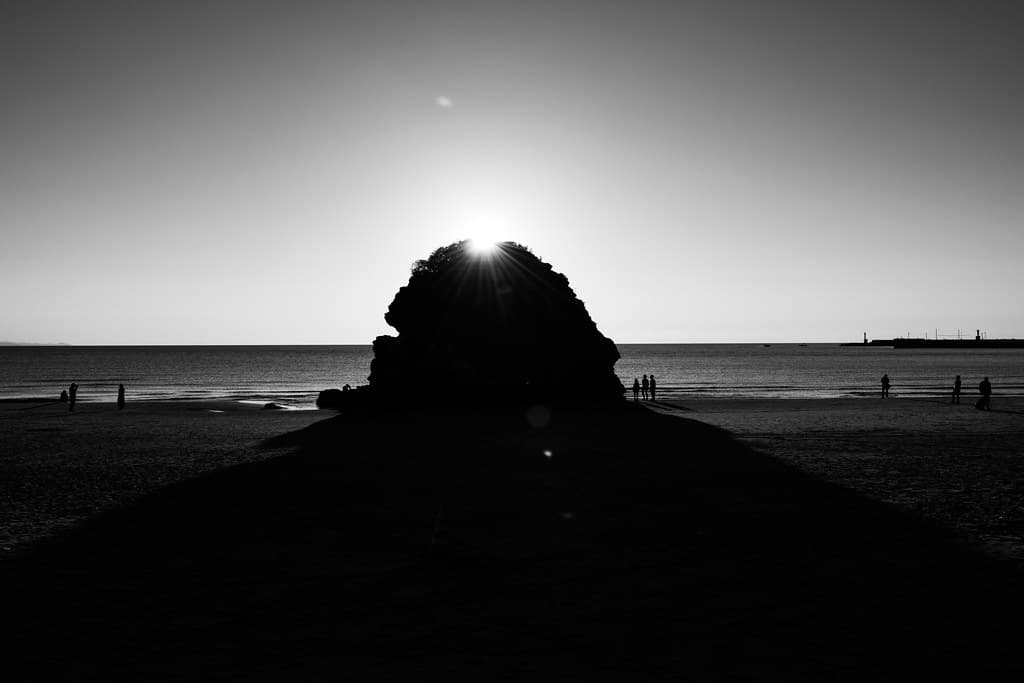
Ishikari Beach is renowned as one of Hokkaido's premier sunset viewing locations because it faces west across the Sea of Japan, providing unobstructed horizon views. The combination of the wide sandy beach, often dramatic cloud formations, and the sun setting directly over the ocean creates spectacular displays of orange, pink, and purple hues. The beach's expansive shoreline offers numerous vantage points for photography. Local photographers particularly favor autumn and winter for the most vivid colors. The sunset experience is enhanced by the beach's relative quietness outside peak season, making it a romantic and peaceful setting.