Counting the waves…
Counting the waves…

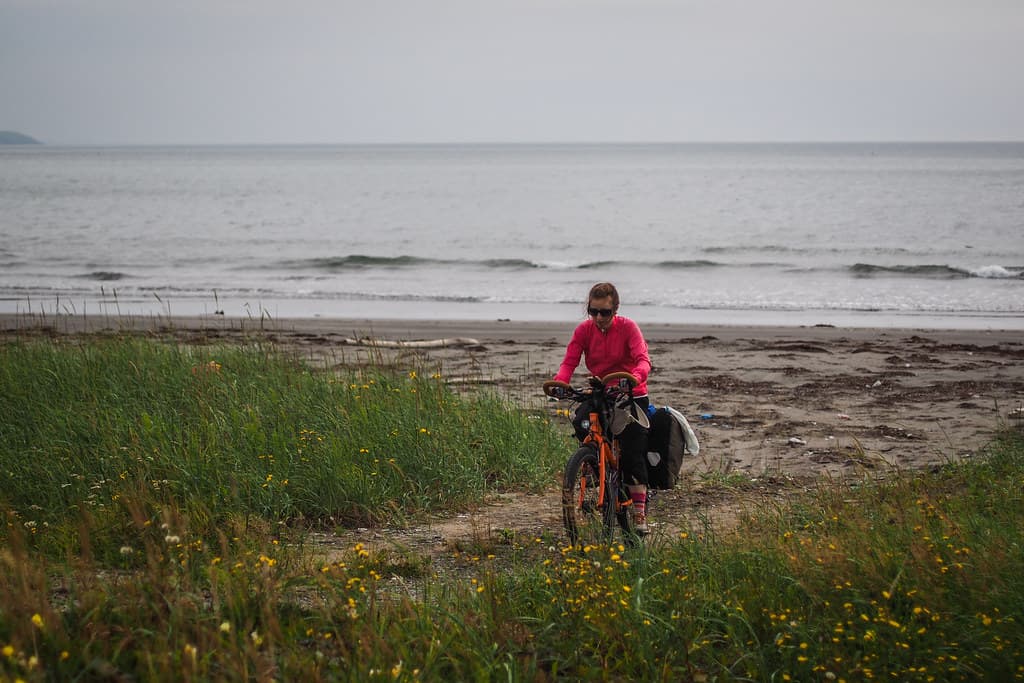
The first thing you notice is the color—not white or golden, but charcoal gray where mineral-rich sand catches the flat northern light. Hamanaka Beach curves gently along Kushiro's working waterfront, a place where fishing boats unload their catch just beyond the dunes and the nearest convenience store sells more rubber boots than sunscreen. The water stays bracingly cold even in August, typical of Hokkaido's Pacific side, where the Oyashio Current sweeps down from the Arctic. You'll walk this beach in a windbreaker rather than a bikini, watching fog banks roll in from the sea and dissolve over the coastal wetlands that make this region famous. Families come armed with buckets and rakes during spring low tides, bent double as they dig for sakhalin surf clams. The occasional surfer paddles out in a thick wetsuit, but most visitors simply walk, collecting sea glass smoothed by months of tumbling in frigid water. What Hamanaka lacks in tropical warmth it offers in solitude and authenticity. The town moves to fishing seasons, not tourist calendars. A concrete seawall protects the beach road from winter storms, and wooden tetrapods break the waves into white foam. Behind you, the mountains of Akan-Mashu National Park rise in blue-green ridges, while ahead the Pacific stretches unbroken toward distant Kamchatka.
Places, rentals, tours and events within walking and driving distance of Hamanaka Beach.
Photos
Hamanaka Beach is generally calm and suitable for wading, but swimming conditions depend on the season and weather. The water in this part of Hokkaido remains quite cold even in summer, typically ranging from 15-20°C. There are no lifeguards on duty, so exercise caution. The beach is more popular for walking, picnicking, and enjoying coastal scenery than for swimming. Always check local weather conditions before visiting, as the area can experience sudden changes in weather and wind conditions typical of coastal Hokkaido.
Hamanaka Beach can be visited year-round, with each season offering different experiences. Summer (July-August) provides the warmest weather for beach activities and strolls, though it remains cooler than mainland Japan. Spring and autumn offer pleasant temperatures and fewer visitors. Winter visits reveal dramatic coastal landscapes with possible ice formations and opportunities to see migratory birds. The beach is particularly scenic during sunrise and sunset. July through September generally offers the most comfortable weather, with temperatures around 15-20°C and less frequent fog than spring months.
Hamanaka Beach is located in Kushiro, accessible primarily by car. From central Kushiro, drive east along Route 44 toward Hamanaka town. The journey takes approximately 30-40 minutes. Free parking is available near the beach access points. Public transportation options are limited; local buses run infrequently from Kushiro Station to Hamanaka area, but stops may require additional walking. Renting a car in Kushiro is the most convenient option for visiting this beach and exploring the surrounding coastal areas of eastern Hokkaido.
Hamanaka is a small coastal town with limited but authentic dining options, mainly featuring local seafood. You'll find a few family-run restaurants and cafes serving fresh catches and Hokkaido specialties. Amenities directly at the beach are minimal, so bring supplies if needed. Accommodation options include small guesthouses and minshuku (Japanese-style B&Bs) in Hamanaka town. For more varied lodging and dining choices, Kushiro city (30-40 minutes away) offers hotels, ryokan, and diverse restaurants. Many visitors use Kushiro as a base for day trips to the beach.
Yes, Hamanaka Beach and the surrounding Kushiro coastline offer excellent wildlife watching opportunities. The area is known for seabirds, especially during migration seasons. You may spot various species of gulls, cormorants, and other coastal birds. The nearby wetlands and coastal areas occasionally attract deer and foxes. In winter, seals sometimes rest on offshore rocks. The broader Kushiro region is famous for red-crowned cranes, though they're more commonly seen inland at designated sanctuaries. Bring binoculars for the best viewing experience, and maintain respectful distances from any wildlife encountered.