Counting the waves…
Counting the waves…

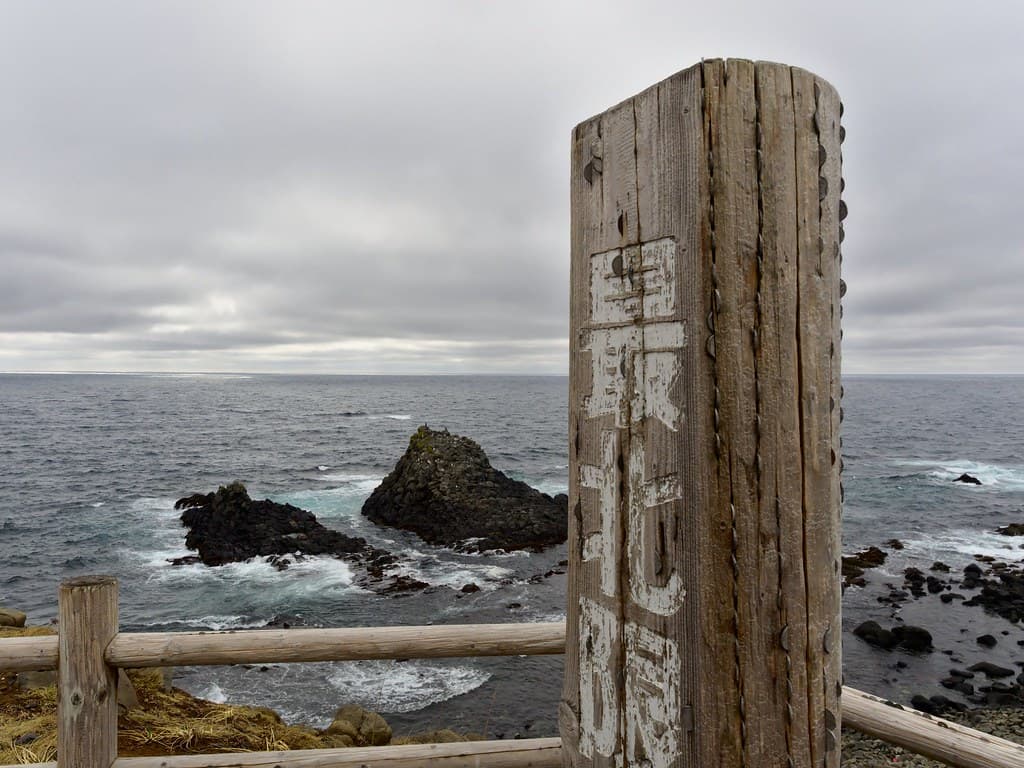
Funadomari Beach unfurls along the northern coast of Rebun, a slender island eight kilometers west of Hokkaido's tip where the Sea of Japan collides with the Sea of Okhotsk. The shoreline here is a study in contrasts—smooth grey pebbles give way to coarse sand littered with dried kelp and driftwood bleached bone-white by salt and sun. Behind you, grassy slopes rise abruptly, dotted in summer with wild lupine and Rebun-sou alpine flowers found nowhere else on earth. The air smells of brine and seaweed drying on wooden racks, a reminder that this is working fishing territory, not a manicured getaway. The beach sits in the shadow of Mount Rebun, and on clear days you can trace the dark outline of Sakhalin Island to the northwest. Fishing vessels anchor in the shallow harbor, their orange and blue hulls vivid against the gunmetal water. Few swimmers brave the Oyashio Current that keeps water temperatures bracing even in high summer, but that same chill nourishes the region's legendary uni—sea urchin so sweet and creamy it's shipped to Tokyo's best sushi counters. You'll share the sand with oystercatchers and the occasional beachcomber hunting for sea glass. There are no umbrellas for rent, no jet skis, no smoothie bars—just the rhythmic crash of waves and the cry of gulls wheeling overhead. This is Hokkaido at its most elemental, a place that asks you to meet it on its own stark, beautiful terms.

Places, rentals, tours and events within walking and driving distance of Funadomari Beach.
Photos
Swimming at Funadomari Beach requires caution due to cold water temperatures year-round, typically ranging from 5-18°C even in summer. The beach is relatively calm with gentle waves, but the chilly northern waters make extended swimming challenging for most visitors. There are no lifeguards on duty, and facilities are minimal. Many visitors prefer wading or beachcombing rather than full swimming. If you do enter the water, stay close to shore and be aware that the remote location means emergency services may take longer to reach you.
Late June through August offers the most pleasant weather for visiting Funadomari Beach, with temperatures reaching 15-20°C and longer daylight hours. However, Rebun Island experiences fog and unpredictable weather even in summer, so bring layers. Spring (May-June) showcases wildflowers across the island, while autumn (September) brings fewer crowds but cooler temperatures. Winter visits are possible but challenging due to harsh weather, limited ferry services, and potential closures. Regardless of season, wind can be strong, so windproof clothing is essential for this exposed northern coastline.
Funadomari Beach is located in the northern part of Rebun Island, accessible only by ferry from Wakkanai on Hokkaido's mainland (approximately 2 hours). From Kafuka Port where ferries arrive, it's about 30km north to Funadomari—reachable by rental car, bicycle, or local bus (limited schedule). Free parking is available near the beach. Since public transportation is infrequent, renting a car or scooter at Kafuka Port provides the most flexibility. The roads are generally well-maintained, and the scenic coastal drive takes roughly 45 minutes from the ferry terminal.
Funadomari village, adjacent to the beach, offers several minshuku (family-run guesthouses) and a few small restaurants serving local seafood, including Rebun's famous sea urchin when in season. Options are limited compared to larger towns, so booking accommodation in advance is strongly recommended, especially during summer months. Some guesthouses include meals in their rates. A small convenience store provides basic supplies. For more dining variety, Kafuka Port area in southern Rebun has additional restaurants and hotels, though this requires a 30-45 minute drive back.
Yes, Funadomari Beach serves as an excellent base for visiting Cape Sukoton, Japan's northernmost point accessible by road, located just 3km north. Many visitors combine both destinations in one trip. The cape offers dramatic clifftop views and is a popular spot to watch the sunset over the Sea of Japan. A hiking trail connects the two areas for those interested in coastal trekking. From Funadomari, you can drive to Sukoton in under 10 minutes, making it convenient to experience both the beach's tranquil shores and the cape's rugged scenery.