Counting the waves…
Counting the waves…
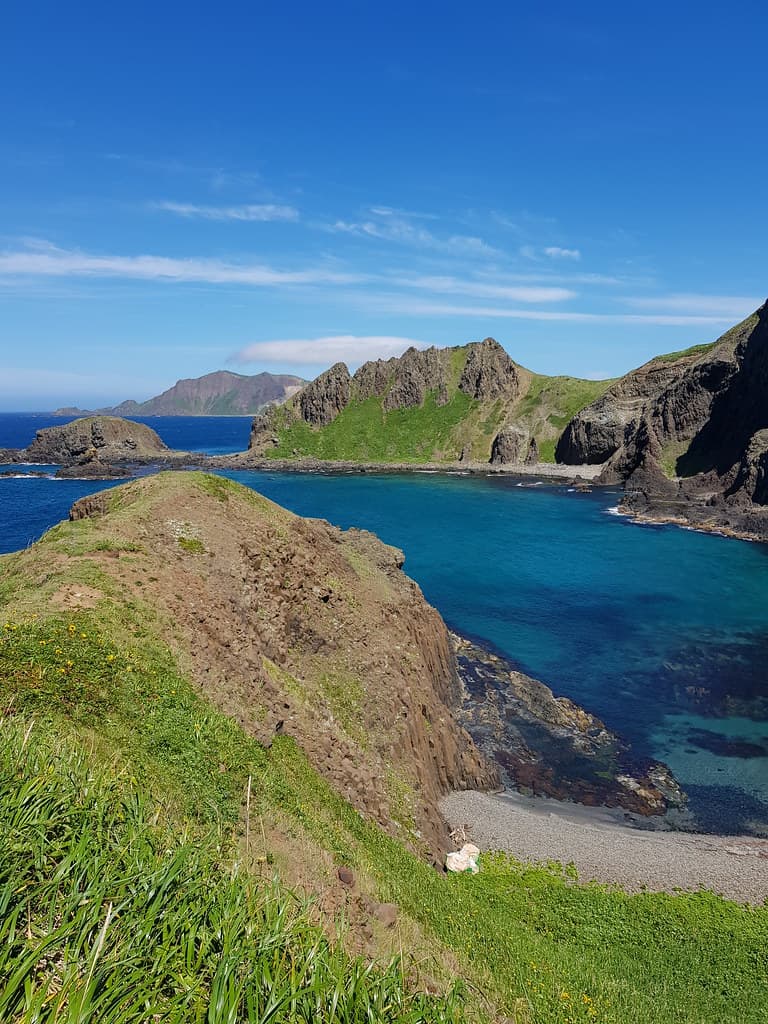
Kafuka Beach isn't the postcard sweep you'd expect from an island escape—it's the functional shoreline of Rebun's only proper settlement, where orange buoys tangle with tide-smoothed stones and ferry schedules dictate the rhythm of arrival. The beach stretches along the harbor in a narrow band of pebbles and black sand, framed by weathered breakwaters and the low hum of diesel engines. Sea urchin divers unload their haul at dawn; by mid-morning, you're sharing the waterfront with hikers lacing boots for the eight-hour coastal trek and cyclists checking tire pressure before tackling the island's lone paved road. The water here runs cold even in summer—expect twelve degrees Celsius—but that chill feeds the kelp forests and shellfish beds that define Rebun's reputation as a culinary outpost. Walk the harbor promenade past minshuku guesthouses painted in faded blues and greens, their entrance halls stacked with rubber boots and hiking poles. The beach itself offers little in the way of lounging, but it's the launch point for everything else: rental kayaks glide toward seal colonies offshore, and footpaths climb steeply from the gravel into meadows thick with Rebun lily and alpine rhododendron. You'll return to Kafuka each evening as light slants across the strait toward Rishiri's volcanic cone, the harbor transformed into a quiet stage for departure—ferries glowing white against the dusk, their wakes unraveling across water the color of slate.
Places, rentals, tours and events within walking and driving distance of Kafuka Beach.
Photos
Swimming at Kafuka Beach is generally not recommended due to cold water temperatures and strong currents typical of Hokkaido's northern coastline. Even in summer, water temperatures rarely exceed 15-18°C (59-64°F), making it uncomfortable for most swimmers. The beach is better suited for walking, photography, and enjoying coastal scenery. If you plan to enter the water, stay close to shore and be aware of changing conditions. Always check local conditions and follow posted safety advisories.
Late May through September offers the most pleasant conditions at Kafuka Beach, with June and July being ideal for wildflower viewing across Rebun Island. Summer temperatures range from 15-20°C (59-68°F), though fog can occur. Winter visits (November-March) bring harsh weather, snow, and limited ferry services. Spring and autumn offer fewer crowds and dramatic coastal scenery, but be prepared for cooler temperatures and wind. Ferry schedules are most frequent during summer months, making access easier.
Kafuka Beach is located near Kafuka Port, Rebun Island's main ferry terminal. To reach Rebun, take the Heartland Ferry from Wakkanai (approximately 2 hours). The beach is within walking distance of the port and town center, making it easily accessible on foot or by rental bicycle. Limited parking is available near the port area for those renting cars on the island. Most visitors explore Kafuka on foot, as the town and beach are compact and pedestrian-friendly.
Kafuka serves as Rebun Island's main settlement, offering several minshuku (Japanese guesthouses), small hotels, and ryokan within walking distance of the beach. The town has restaurants serving fresh seafood, including local specialties like uni (sea urchin) and Hokke fish. Convenience stores provide basic supplies. Accommodations range from budget guesthouses to mid-range lodging, though options are limited, so advance booking is essential during summer. Most establishments close or have reduced hours outside the tourist season (May-September).
Kafuka Beach serves as the gateway to Rebun Island, known as the "Island of Flowers," offering unique access to rare alpine flora at sea level and dramatic coastal hiking trails. The beach provides stunning views of neighboring Rishiri Island and its volcanic peak across the strait. As Japan's northernmost island destination, Rebun offers a remote, unspoiled atmosphere distinct from mainland beaches. The combination of wildflower meadows, rugged coastline, and isolation creates a uniquely pristine northern Japanese island experience.