Counting the waves…
Counting the waves…
A refined fusion of water purity, environmental stability, and communal vibrancy for Aneyoshi Hidden Shore.
View MethodologyAnalyzed via live sensors and environmental data.
Wave height, wind, and atmospheric stability.
Live footfall and crowd balance metrics.
Community reviews and curated sentiment.
“The stream divides the beach into two distinct zones—downstream pebbles worn round by the Pacific, upstream rocks still bearing the angular edges of their mountain origins. You can track the boundary where fresh water…”
Limited recent visitor reports — live OBI telemetry is your best guide for current conditions.
Follow the stream down from the coastal road and you're walking through a geography lesson in miniature. The first hundred meters show mountain-sharp stones in gray and white, pieces of the inland ranges being slowly digested by water and time. Where the stream widens and slows before meeting the ocean, the stones begin showing their first signs of rounding, their edges softened by months of tumbling over each other during flood season.
The ocean pebbles beyond the stream mouth tell the rest of the story—stones worn so smooth they feel almost soft, sorted by size into bands that shift with each tide. During low water, the stream creates a channel through the pebbles that changes course slightly every few days, the Pacific and the mountain runoff engaged in constant negotiation over who controls the beach's architecture. Green algae coats the rocks closest to the stream outlet, creating slippery footing that demands attention and slow movement.
 Credit: Unsplash
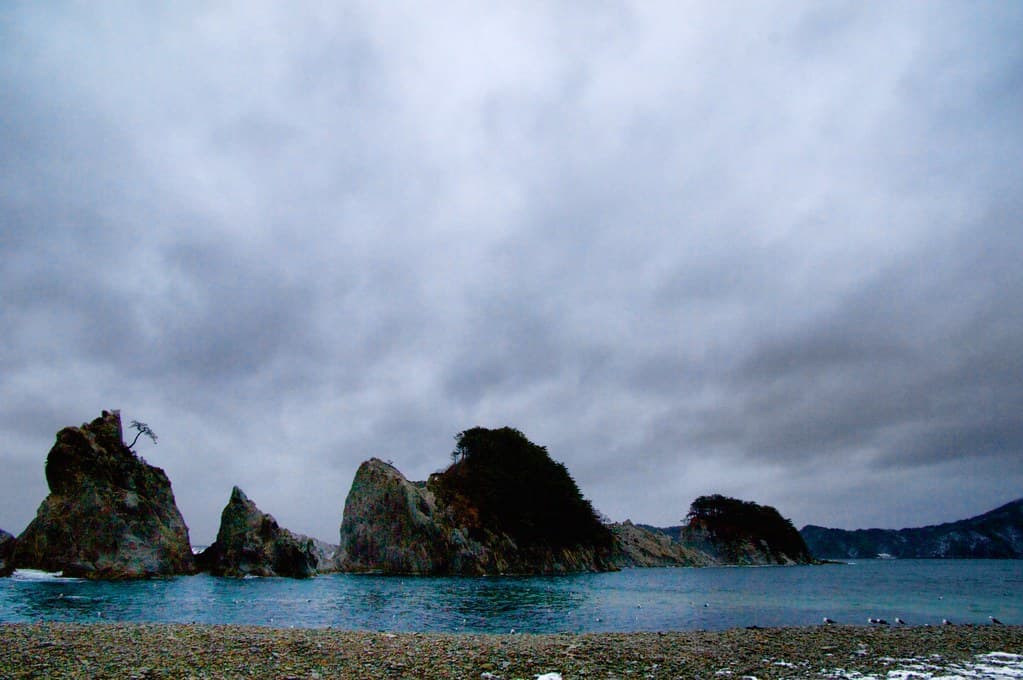
A body of water surrounded by trees and rocks
 Credit: Unsplash
Beautiful turquoise bay, sandy beach, and blue ocean
Track stone weathering zones
Fishing birds at stream
Cold mountain-fed bathing upstream
Prime Visitation
Less Crowds
Where it is
Aneyoshi Hidden Shore
Miyako, Iwate, Japan
39.705000°, 142.017900°
Weather
Loading…
Swell
—
Temp
Warm · Restorative
UV Index
Moderate
Wind
—
Tidal State
Last known
Max Sunlight
—
Ideal Shade
—
May - Sep (Peak)
Jan - Dec (Off-season)
Historical data suggests peak visibility and stable sea temperatures occur during the prime visitation window.
Select a category to load nearby places.
Unlock restaurants, luxury stays and curated maritime experiences within 2km
As a pebble beach on the Iwate coast, Aneyoshi Hidden Shore can have variable conditions depending on weather and tides. The pebble composition means no sandy shallows, with water depth increasing more quickly than at sandy beaches. There are no lifeguard services at this local shoreline, so exercise caution and swim only in calm conditions. Be mindful of waves and currents, wear water shoes for comfort on the pebbles, and always check weather forecasts before visiting. Never swim alone at remote beaches.
Visit during weekdays or shoulder seasons (May-June or September-October) for the least crowds at this local shoreline. Summer months offer the warmest weather, though the water remains cool. Early mornings and late afternoons provide the best chance of having the beach to yourself. Avoid winter when access may be challenging and weather harsh. The area around Aneyoshi has historical significance, so visiting during clear weather allows you to appreciate both the coastal beauty and the surroundings comfortably.
Aneyoshi is a small coastal community in the Miyako area, accessible from Miyako Station via local roads. Transportation options include rental car, taxi, or local bus services, though schedules may be limited for buses to smaller villages. A private vehicle is strongly recommended for visiting hidden shores along this coast. The drive from central Miyako takes approximately 20-30 minutes. Use GPS or navigation apps with the Aneyoshi place name, and be prepared for narrow coastal roads typical of rural Iwate.
Aneyoshi is a small village with limited facilities, so most visitors base themselves in Miyako city where hotels, guesthouses, and restaurants are concentrated. The region is famous for fresh seafood including salmon, sea urchin, and scallops served at local restaurants. Some minshuku (family-run guesthouses) may be available in nearby coastal villages, often including home-cooked meals with local ingredients. Pack snacks and water for beach visits, as convenience stores may be sparse in this rural coastal area.
Aneyoshi Hidden Shore offers an authentic local coastal experience far from tourist crowds. The village of Aneyoshi is historically significant as a community that heeded tsunami warnings from ancient stone markers, making the area meaningful beyond its beach. The pebble shore provides a different beach experience than sandy alternatives, with interesting stones and a raw, natural character. As a local shoreline, it offers insight into traditional coastal life in Iwate and the resilient communities that call this beautiful, sometimes harsh coastline home.
Photos