Counting the waves…
Counting the waves…

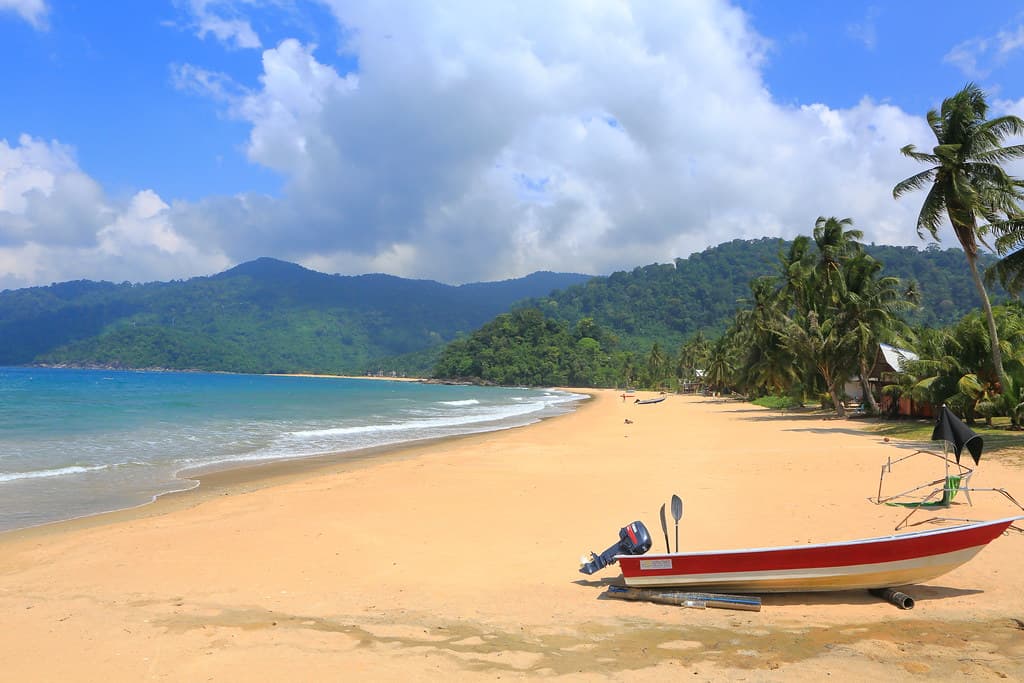
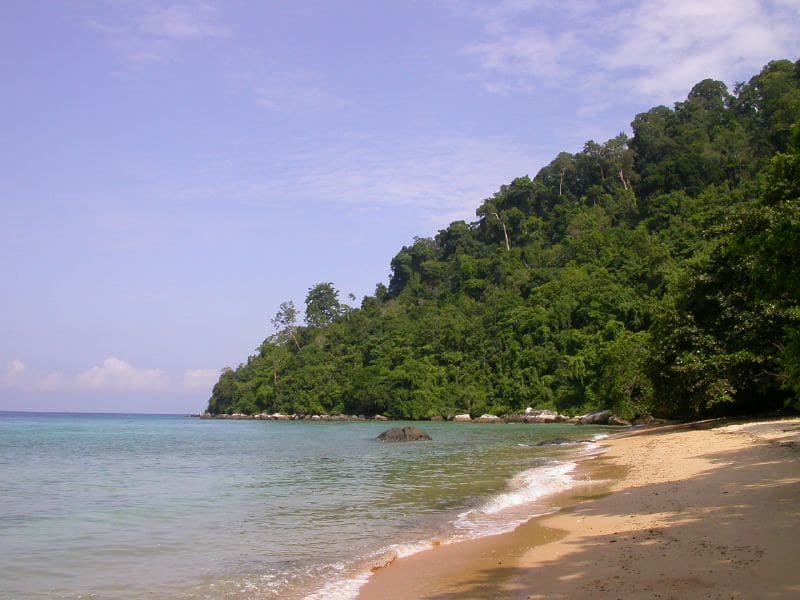
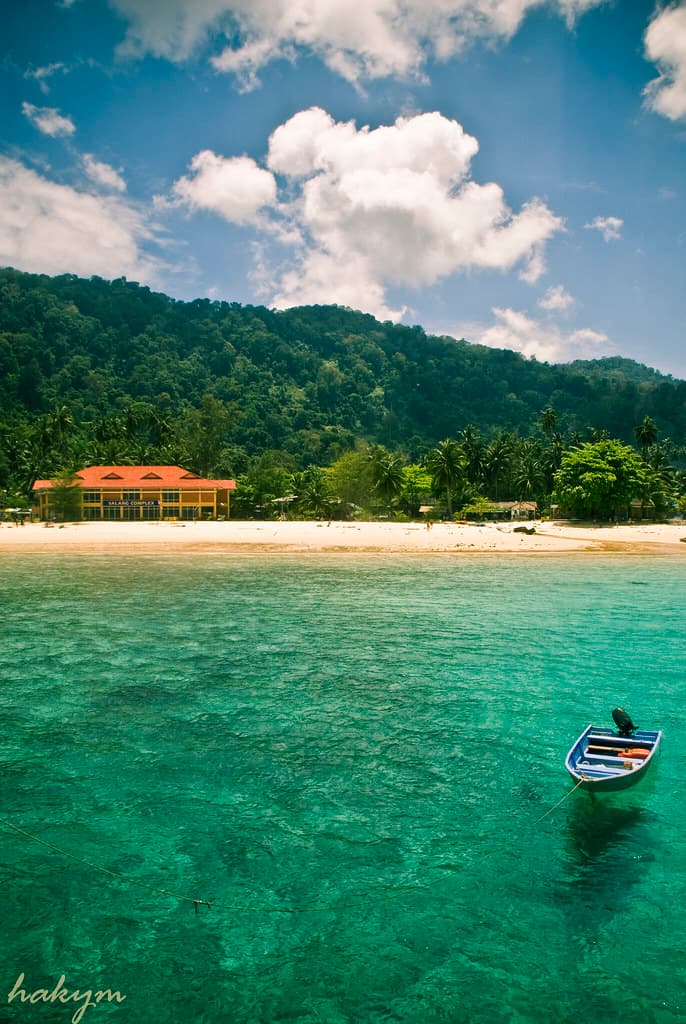
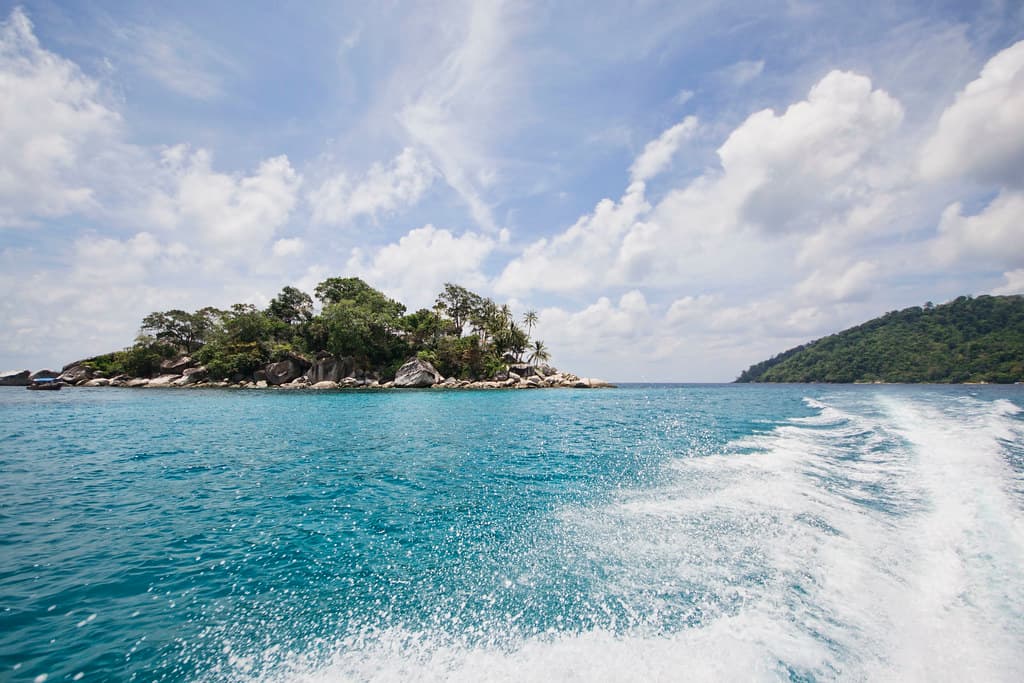
Salang sits tucked into a crescent cove on Pulau Tioman's northern coast, where the jungle canopy meets a narrow beach barely fifty meters wide at high tide. The sand here is coarse underfoot, mixed with fragments of coral and shell, and the seafloor drops away quickly—you'll find yourself in waist-deep water within five strides. This rapid descent makes Salang a staging ground for the island's dive community; certification courses run daily, and operators lead trips to nearby sites like Labas Island and Chebeh. The village itself consists of a single unpaved lane lined with dive shops, modest guesthouses, and open-air restaurants serving roti canai at dawn and grilled stingray after dark. Laundry flutters from balconies; instructors rinse regulators at outdoor taps; backpackers trade snorkel coordinates over breakfast. The vibe is functional, not polished—this is a working dive base, not a resort enclave. Snorkeling straight off the beach rewards you with parrotfish browsing on coral heads, sergeant majors flickering in the shallows, and if you swim north toward the rocky point, occasional blacktip reef sharks cruising the drop-off. The water clarity varies with tide and season—mornings between March and October typically offer the best visibility, while monsoon months from November through February bring surge and sediment. Come here to dive, to train, to disappear into the rhythm of tanks and tides.
Places, rentals, tours and events within walking and driving distance of Salang Beach.
Photos
Salang Beach is generally safe for swimming and snorkeling, with calm, clear waters protected by the surrounding bay. The beach has a gentle slope and minimal currents, making it suitable for most swimmers. However, always check local conditions before entering the water, especially during monsoon season. Snorkeling is best close to shore where visibility is excellent and marine life is abundant. Several dive shops operate on the beach and can provide guidance on current conditions. Jellyfish can occasionally appear, so ask locals about recent sightings before swimming.
The best time to visit Salang Beach is between March and October, when seas are calm and visibility for snorkeling and diving is optimal. Peak season runs from June to August, offering the best weather but larger crowds. April to May and September to October provide excellent conditions with fewer visitors. Avoid November to February, as this is monsoon season when most resorts close, boat services are suspended, and rough seas make water activities impossible. The island is officially closed to tourists during these months.
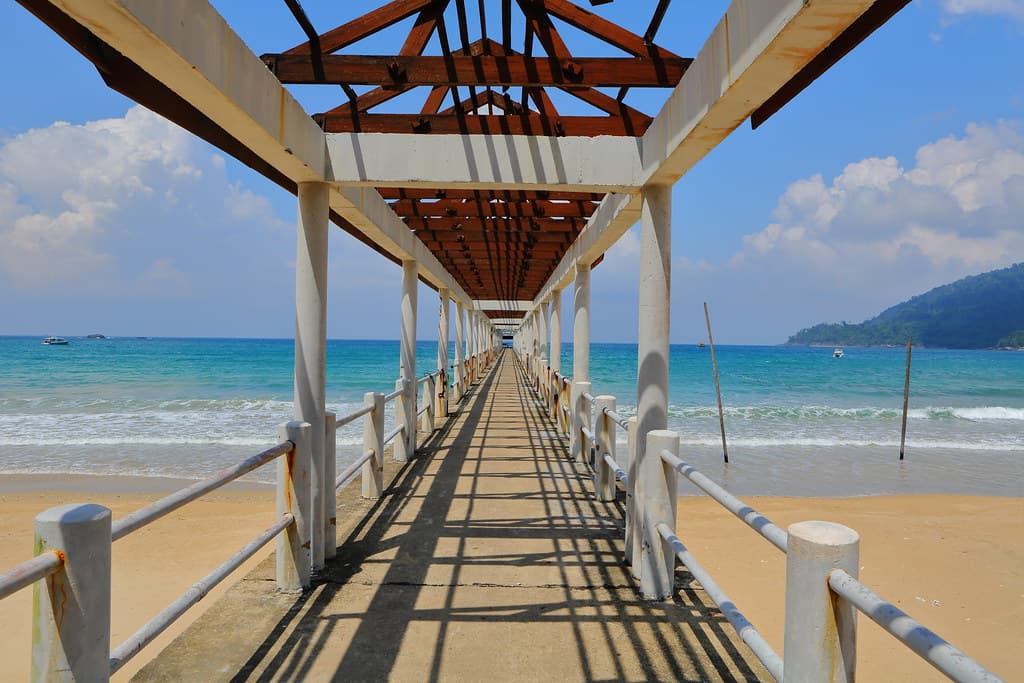
To reach Salang Beach, take a ferry from Mersing jetty (2-3 hours) or Tanjung Gemok (1.5 hours) on mainland Malaysia. Most visitors fly into Kuala Lumpur or Singapore, then drive or bus to the ferry terminals. Inform the boat operator you're going to Salang, as ferries stop at different beaches around Tioman. From the jetty at Salang, accommodations are a short walk along the beachfront. There are no roads or vehicles on this part of the island, so you'll walk to your resort. Book ferry tickets in advance during peak season.
Salang Beach offers various beachfront resorts and budget chalets, ranging from basic backpacker rooms to more comfortable air-conditioned bungalows. Most accommodations include restaurants serving Malaysian and Western dishes, with fresh seafood being a highlight. Several independent restaurants and beach bars line the shore, offering casual dining with sea views. A few small shops sell snacks, drinks, and basic supplies, though selection is limited. Many resorts offer meal packages since dining options, while adequate, are fewer than larger beach destinations. Book accommodation in advance during peak season.
Salang Beach is Tioman's premier diving base, with numerous dive centers offering PADI courses and trips to over 20 nearby dive sites. The beach provides easy access to coral gardens just meters from shore, where snorkelers regularly spot blacktip reef sharks, sea turtles, and colorful reef fish. The bay's protected position ensures consistently good visibility and calm conditions. Multiple dive shops create a lively diving community atmosphere. House reefs accessible by swimming from the beach make it ideal for beginners, while boat trips reach more advanced sites like Tiger Reef and Renggis Island.