Counting the waves…
Counting the waves…

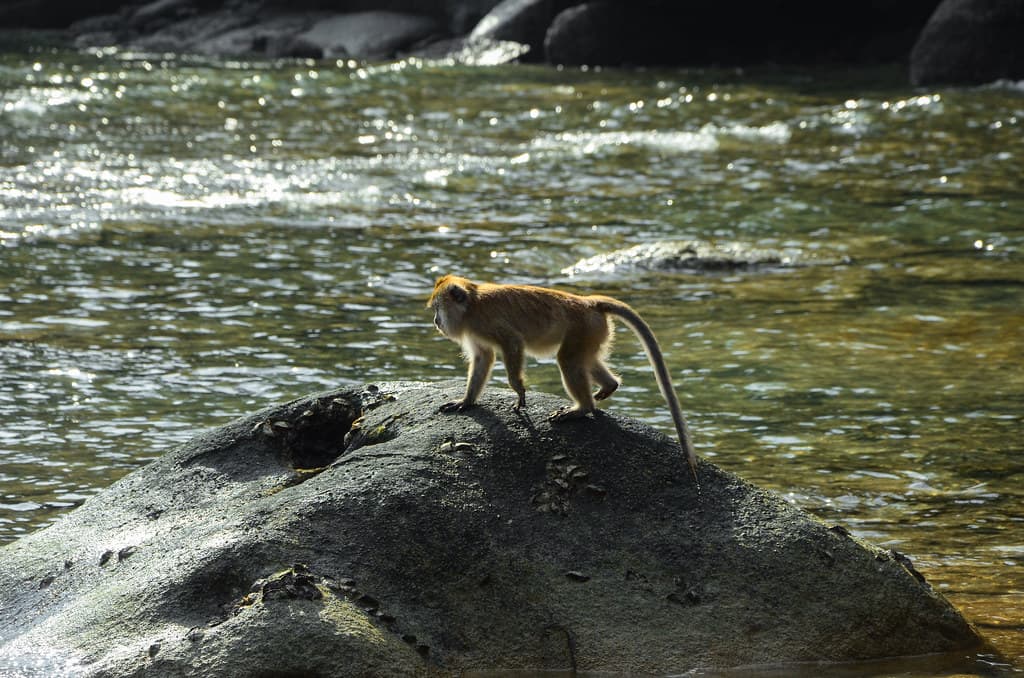
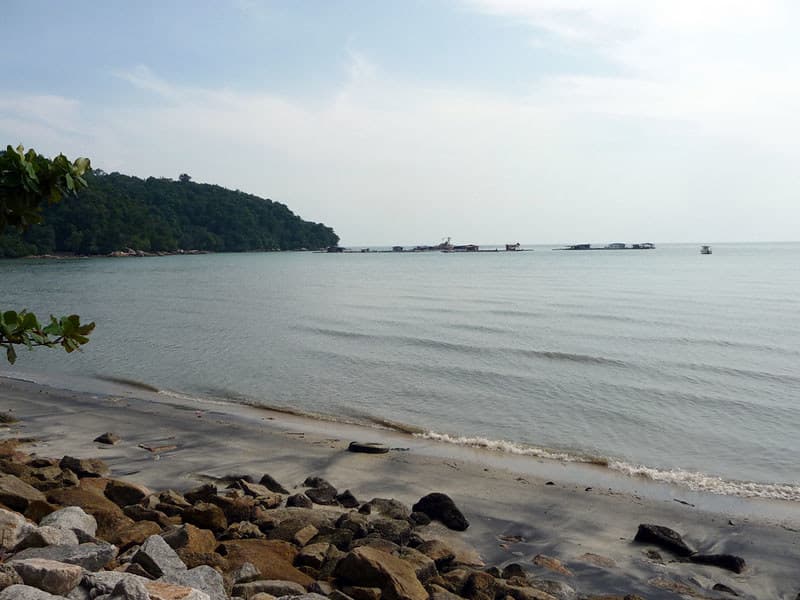
The trailhead at Teluk Bahang fishing village marks the start of your pilgrimage. For forty minutes, you follow a rutted path beneath dipterocarp canopy, the air thick with leaf rot and monkey calls, until the trees part and the sea glints ahead. Kerachut unfolds in two acts: a swimming beach to your left, and to your right, a meromictic lake separated from the ocean by a narrow berm—one of only two in Malaysia, where fresh and saltwater layers refuse to mix. You'll wade into bathwater-warm shallows, the seabed a patchwork of sand and smooth pebbles that massage your soles. In the heat of midday, hermit crabs scuttle across bleached driftwood logs, and the only sounds are surf and cicadas. Rangers patrol for green and olive ridley turtles that lumber ashore between April and August, their flippers carving highways up the beach to nest above the tide line. There's a campsite with basic shelters and pit toilets, but most visitors return before dusk, when macaques reclaim the shoreline and monitor lizards emerge to scavenge. The hike back feels shorter, your legs salty, your water bottle drained, the forest now familiar. This is Penang stripped of hawker lanes and heritage shophouses—just canopy, sand, and the indifferent sea.
Places, rentals, tours and events within walking and driving distance of Kerachut Beach.
Photos
Kerachut Beach is generally safe for swimming during calm weather, but conditions vary seasonally. The beach faces open sea, so waves can be stronger during monsoon season (April-October). Always check conditions before entering the water and swim near the shore. There are no lifeguards on duty since this is a secluded national park beach. The left side of the beach tends to be calmer. If visiting with children, supervise closely and avoid swimming during rough weather or strong currents.
The best time to visit Kerachut Beach is during the dry season from November to March, when seas are calmer and rainfall is minimal. Arrive early morning (8-9 AM) to avoid afternoon heat and enjoy cooler temperatures for the jungle trek. Weekdays are less crowded than weekends. If you're interested in seeing the turtle sanctuary, nesting season runs March to August. Avoid visiting during heavy monsoon rains (August-October) as trails become slippery and beach access may be restricted.
Kerachut Beach is accessible only by jungle trekking or boat from Teluk Bahang. The most common route is a 1.8km jungle trail starting from Pantai Kerachut trailhead near Penang National Park entrance. Park at the national park parking area in Teluk Bahang village (limited free spots available). Register at the park office before hiking. Alternatively, hire a boat from Teluk Bahang jetty (RM70-100 return per boat, fits 4-5 people). The trek takes 45-60 minutes through moderate terrain.
Kerachut Beach has very limited amenities. Basic accommodation is available at the national park campsite and simple chalets, which must be booked in advance through Penang National Park. There's one small canteen selling drinks, instant noodles, and basic snacks, but operating hours are unpredictable. Bring your own food, plenty of water, and snacks. Bathroom facilities are basic. No shops, restaurants, or convenience stores exist at the beach. Most visitors come for day trips and bring packed meals.
Yes, Kerachut Beach has a turtle sanctuary and conservation centre managed by Penang National Park, featuring a meromictic lake (rare phenomenon where seawater and freshwater don't mix). The sanctuary protects Green and Olive Ridley turtles. You can observe hatchery pools and learn about conservation efforts during opening hours, though you cannot guarantee seeing live turtle releases. Nesting season is typically March to August. Entry to the sanctuary is free with your national park registration. Respect all conservation guidelines and restrictions.