Counting the waves…
Counting the waves…
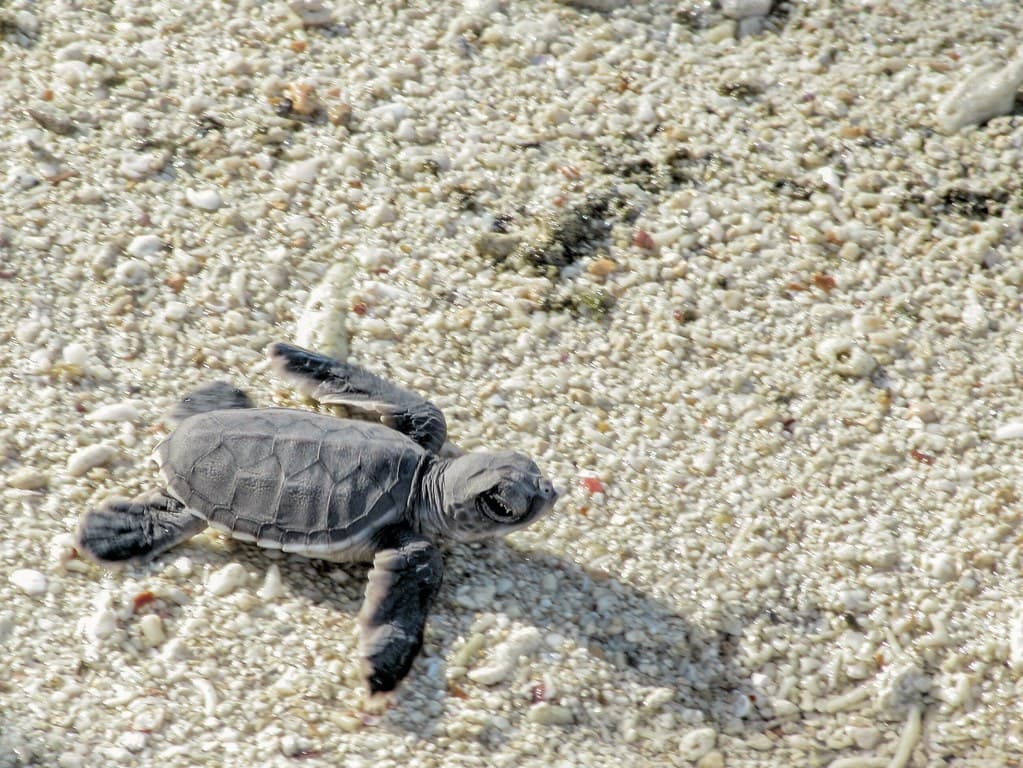
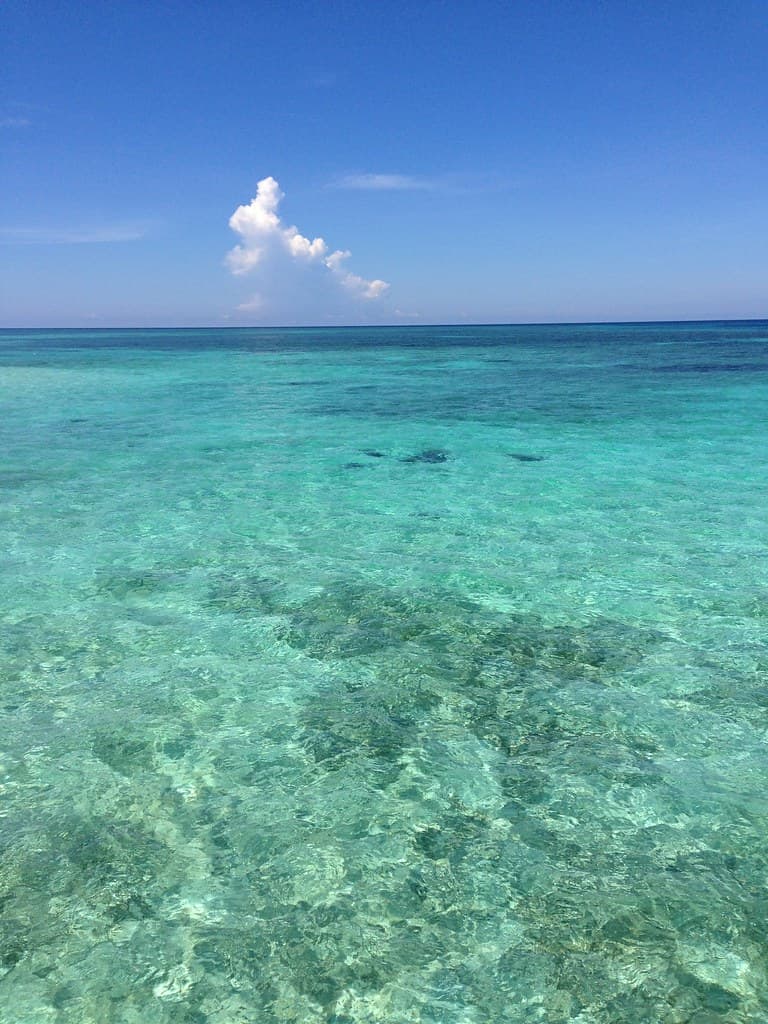
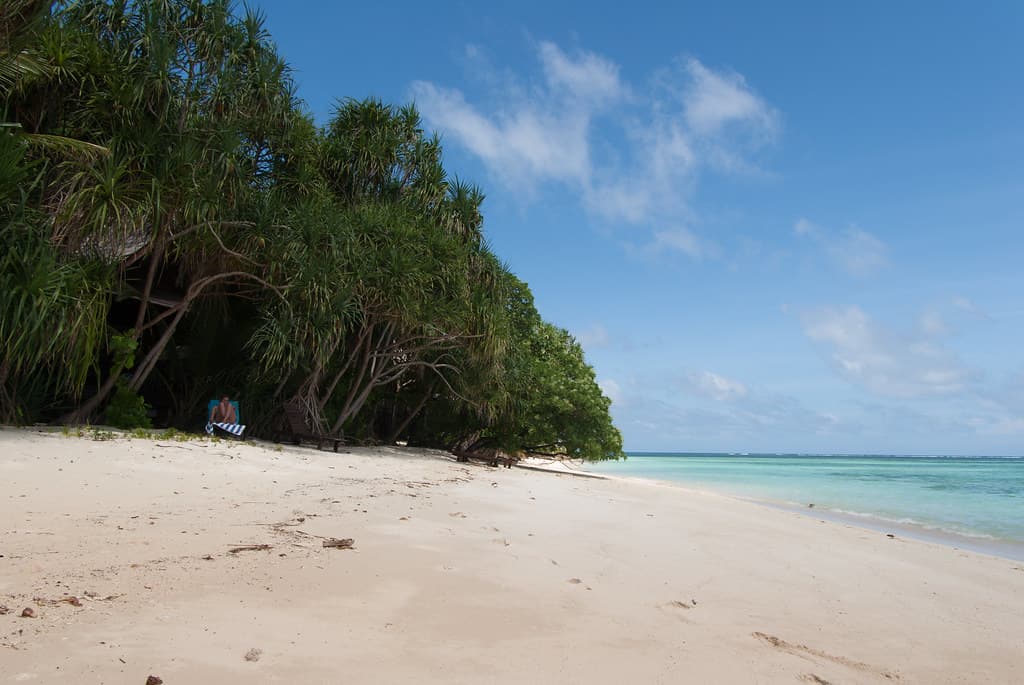
The forty-minute speedboat ride from Sandakan's jetty takes you past mangrove estuaries and fishing stakes, the mainland's green ridges shrinking astern until Lankayan's single strip of sand appears—a sliver no wider than a cricket pitch, fringed by coconut palms and casuarina trees. You wade ashore into water so warm and still it feels like stepping into silk, the sand beneath your toes bleached to the pale gold of shortbread. The island supports just one small dive resort, meaning the beach remains blissfully uncrowded: a few scattered sun loungers, a floating pontoon where parrotfish nibble at the pilings, and little else. Beneath the surface, the house reef begins just meters from shore, a living rampart of table corals and sea fans where you'll encounter green and hawksbill turtles on nearly every snorkel. The drop-off plunges to thirty meters, its walls studded with gorgonians and patrolled by whitetip sharks, manta rays, and the occasional whale shark between March and May. Visibility often exceeds twenty meters, and the absence of boat traffic means the reef hums with life undisturbed. On land, monitor lizards rustle through the undergrowth at dusk, and frigate birds wheel overhead. At night, if you time your visit between July and October, you may witness the ancient ritual of turtle nesting—females hauling themselves onto the sand to dig chambers and deposit clutches of eggs, their tracks erased by morning tide.
Places, rentals, tours and events within walking and driving distance of Lankayan Island Beach.
Photos
Lankayan Island Beach is generally safe for swimming and snorkeling, with calm, clear waters protected by surrounding reefs. The island is situated in a relatively sheltered area of the Sulu Sea, making conditions favorable most of the year. However, always check weather conditions before entering the water, as occasional strong currents can occur during monsoon season. The resort provides life jackets and snorkeling equipment. Marine life is abundant but harmless; you'll likely encounter sea turtles, reef fish, and rays. Follow guide instructions and avoid touching coral to ensure both your safety and reef preservation.
The best time to visit Lankayan Island is during the dry season from March to October, with peak conditions between April and September. During these months, you'll experience calm seas, excellent visibility for diving and snorkeling (often exceeding 20 meters), and minimal rainfall. The island resort typically closes during the northeast monsoon season (November to February) due to rough seas and poor weather conditions. Water temperatures remain warm year-round at 27-30°C. For the best diving conditions and turtle sightings, plan your visit between June and September when marine life activity peaks.
Reaching Lankayan Island requires multiple steps. First, fly to Sandakan Airport from Kota Kinabalu or Kuala Lumpur. From Sandakan town, take a 1.5-hour road transfer to the jetty, typically arranged by your resort. The final leg is a 60-90 minute speedboat ride across open sea to the island. Most visitors book all-inclusive packages through Lankayan Island Dive Resort, which coordinates all transportation. There are no public ferries, and visits are usually restricted to resort guests. Parking is not applicable as the island is uninhabited except for the resort. Book transfers well in advance.
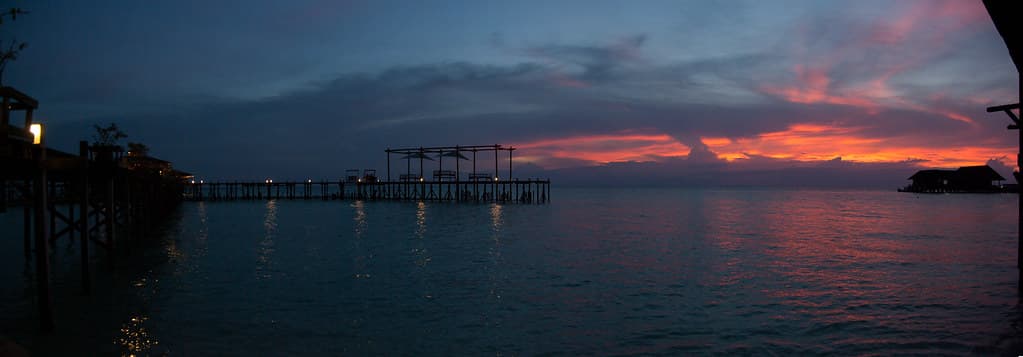
Lankayan Island has only one accommodation option: Lankayan Island Dive Resort, featuring basic but comfortable chalets on stilts over the water or beachfront. The resort operates on an all-inclusive basis, with three daily buffet meals included in your stay, featuring local Malaysian cuisine and international dishes. There's a restaurant-bar area for dining and socializing. No other restaurants, shops, or facilities exist on the island, so come prepared with essentials like sunscreen and medications. The resort provides diving and snorkeling equipment, but bring any specialized gear you prefer. Electricity is limited to certain hours daily.
Yes, Lankayan Island is renowned for frequent sea turtle sightings, particularly green and hawksbill turtles. The island serves as a nesting site, and turtles are commonly spotted while snorkeling or diving around the house reef and nearby dive sites. You may encounter them feeding on seagrass or swimming near the beach throughout the day. Night walks sometimes reveal nesting turtles on the beach, though this is seasonal and not guaranteed. The resort follows strict conservation guidelines to protect turtles. Always maintain a respectful distance and never touch or chase them to avoid disturbing their natural behavior.