Counting the waves…
Counting the waves…

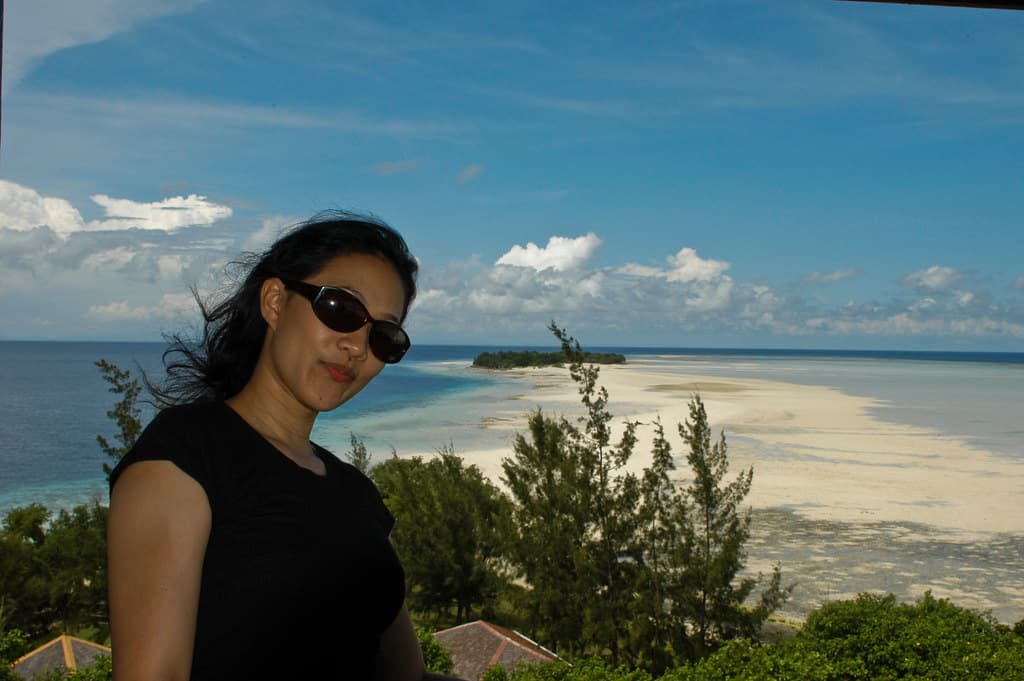
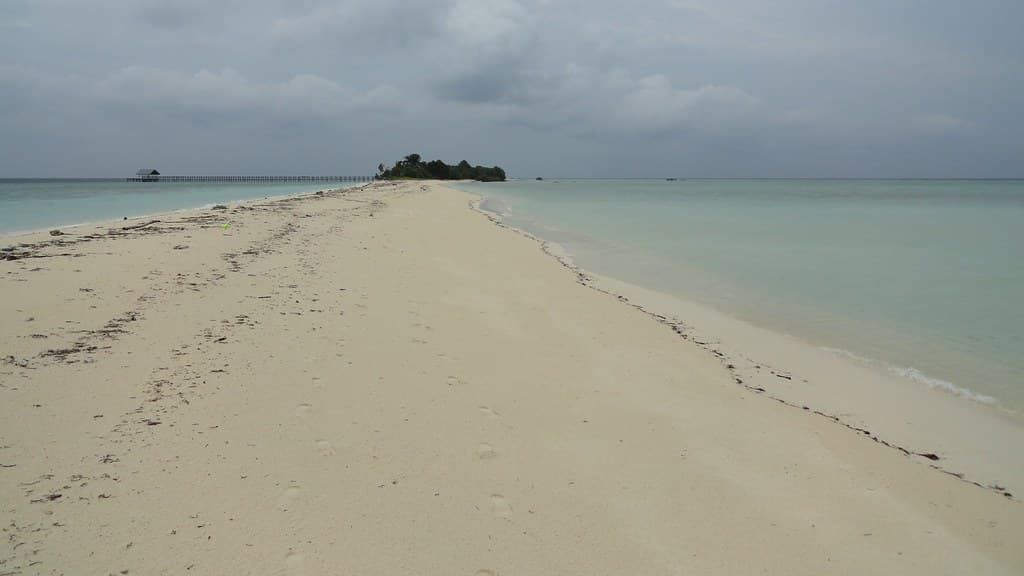
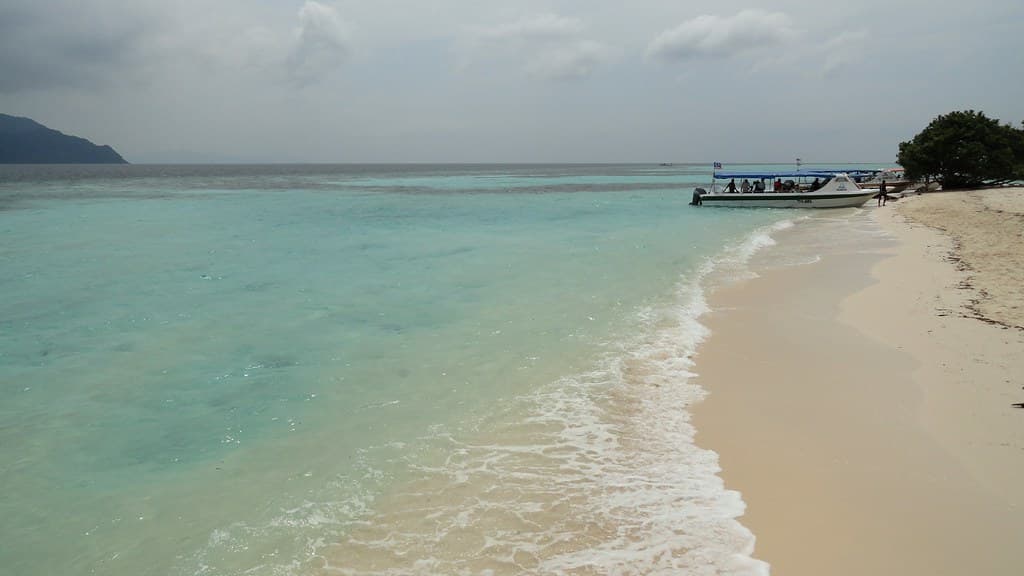
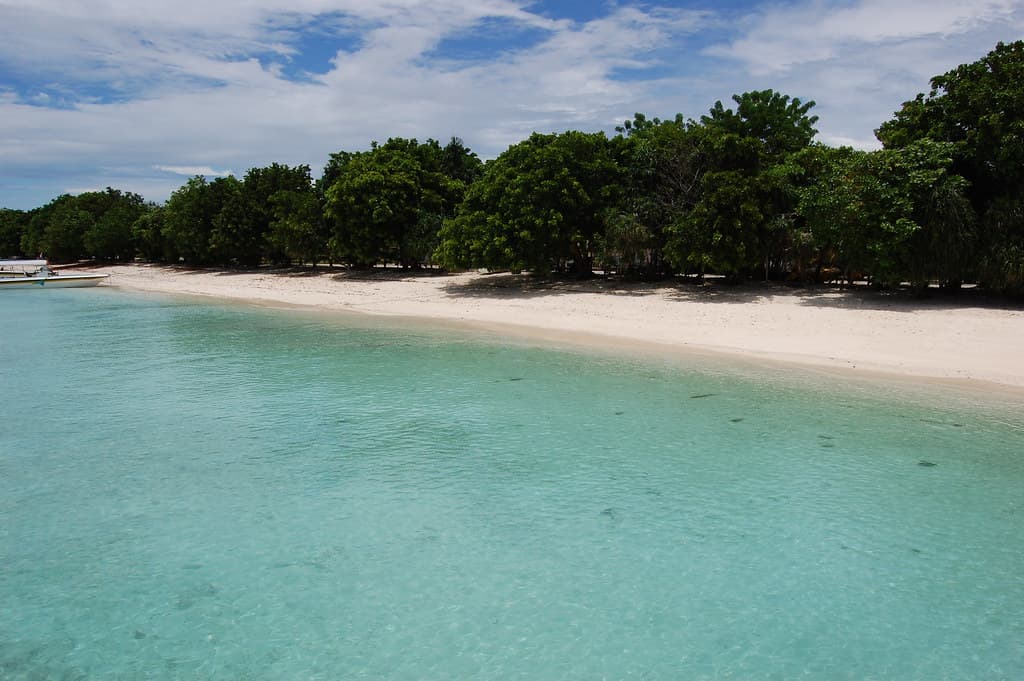
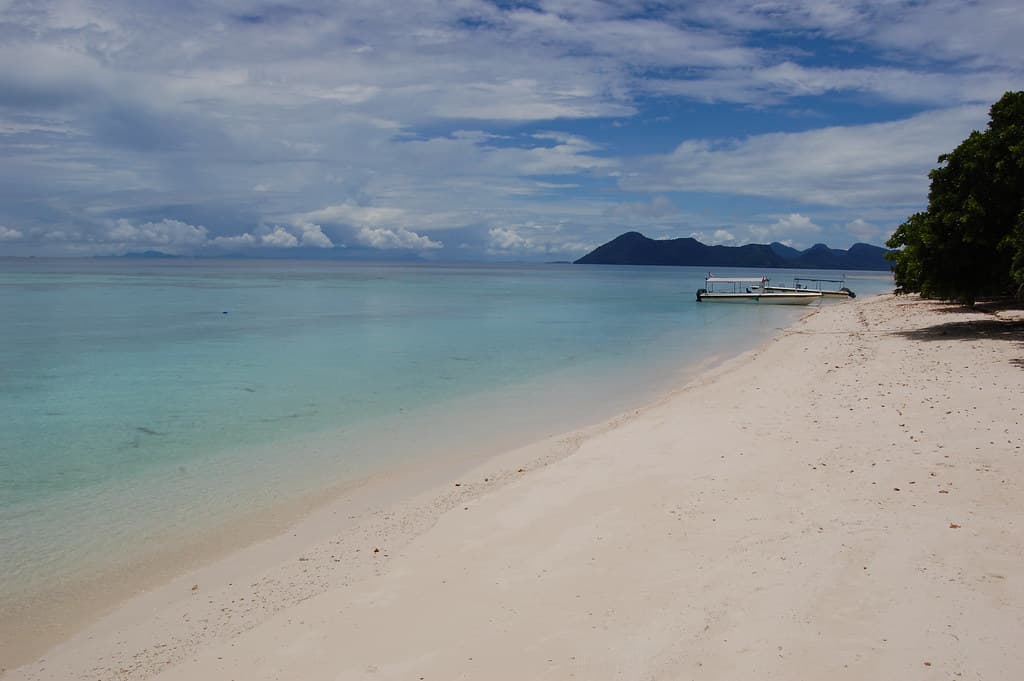
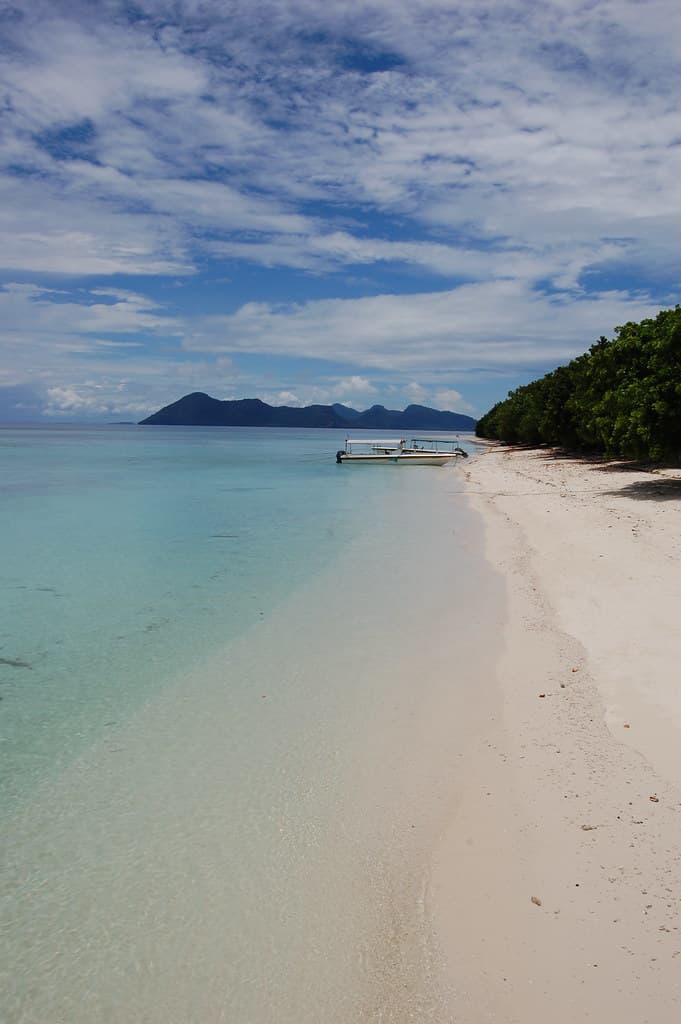
Pom Pom Island sits forty-five minutes by boat from Semporna's crowded jetties, a low-slung patch of casuarina trees and coconut palms ringed by sand the color of ground bone. The reef starts where the beach ends—no swim-out required. You wade in thigh-deep and the drop-off reveals itself: damselfish flickering over table corals, clownfish tucked into anemones, and if you're patient, green and hawksbill turtles that surface near the shallows to breathe before descending again. Only two small resorts occupy the island, which means you'll share the sand with a handful of other guests and the occasional monitor lizard rustling through the underbrush. Mornings are best. The Celebes Sea turns glassy before ten, and you can snorkel the western side where the current is gentler and visibility stretches past twenty meters. By afternoon, the light slants through the water in columns, illuminating the reef's architecture—brain corals the size of armchairs, staghorn thickets, soft corals swaying in the mild surge. Evenings settle into a predictable rhythm: sundowners on weathered wooden decks, the call to prayer drifting faintly from Semporna, and the sky bruising purple over the Semporna archipelago. No beach bars, no jet skis. Just the lap of the tide and the occasional splash of a turtle coming up for air.
Places, rentals, tours and events within walking and driving distance of Pom Pom Island Beach.
Photos
Pom Pom Island Beach is generally safe for swimming and snorkeling, with calm, clear waters ideal for spotting marine life. The island is surrounded by protected coral reefs that create gentle conditions, especially in sheltered areas near the resorts. However, always check with your accommodation about current conditions, tides, and any jellyfish warnings. Snorkeling is best done during calm weather and good visibility. Life jackets are typically available from resorts. Stay within designated swimming areas and avoid venturing too far from shore without proper equipment or guidance from local dive operators.
The best time to visit Pom Pom Island is during the dry season from March to October, with April to June offering optimal conditions for snorkeling and diving with excellent visibility. The wettest months are November to February, when monsoon rains can affect boat transfers and water activities. For a quieter experience with good weather, visit during shoulder months like March, April, or September when you'll encounter fewer tourists. Sea conditions are generally calmest between April and September, making it ideal for water sports and island-hopping around Semporna's archipelago.
To reach Pom Pom Island, you must first get to Semporna town in Sabah. Most visitors fly into Tawau Airport, then take a 1-1.5 hour taxi or bus ride to Semporna. From Semporna's jetty, the island is accessible only by speedboat, with transfers typically arranged by your resort and taking 30-45 minutes depending on sea conditions. There are no public ferries or independent boat services—transfers are usually included in resort packages or can be booked through tour operators. There is no parking on the island itself as it's vehicle-free and only accessible by boat.
Pom Pom Island has limited accommodation, primarily eco-resorts like Pom Pom Island Resort and Celebes Beach Resort, which cater to couples and divers seeking a secluded experience. These resorts operate on meal plan packages (half-board or full-board) since there are no restaurants or shops on the island. Meals typically feature local Malaysian cuisine and fresh seafood. Most resorts have beachfront bars and dining areas. Due to the island's remote nature, bringing snacks, medications, and essentials from Semporna is recommended. Accommodations range from beach chalets to overwater bungalows with basic amenities focused on eco-friendly operations.
Yes, Pom Pom Island is known for sea turtle sightings, particularly green and hawksbill turtles that nest on the island's beaches. The island is part of turtle conservation efforts, and nesting season typically occurs between July and October, though turtles can be spotted year-round while snorkeling around the reefs. Some resorts support conservation programs and may offer guided turtle watching experiences during nesting season. When snorkeling, you have good chances of encountering turtles feeding near coral reefs, especially early morning or late afternoon. Always maintain respectful distances and follow local guidelines to protect these endangered species.