Counting the waves…
Counting the waves…

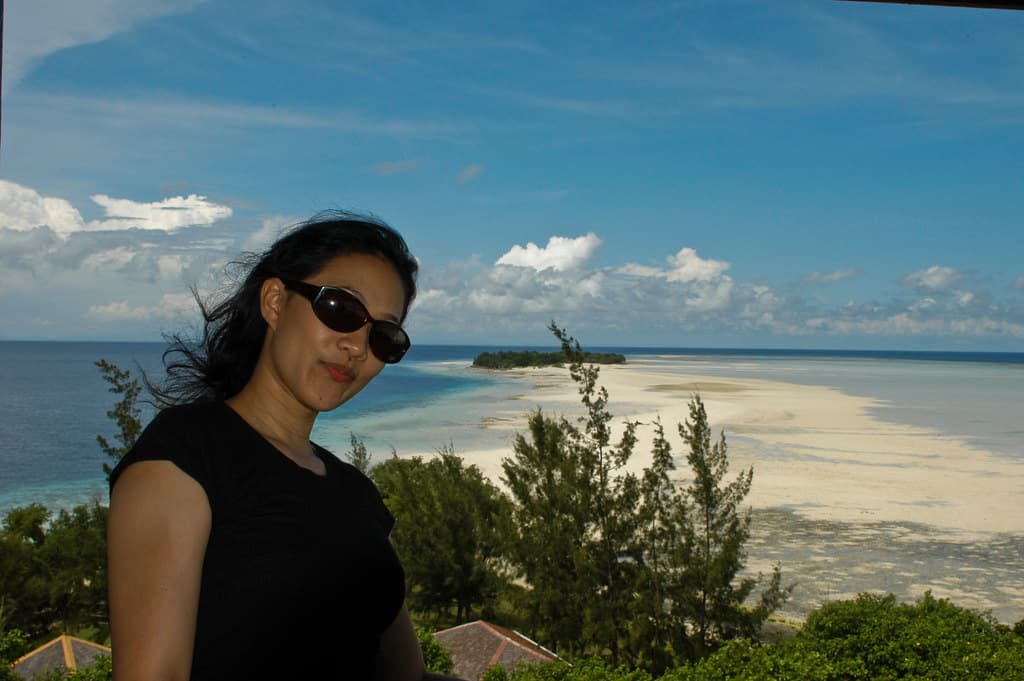
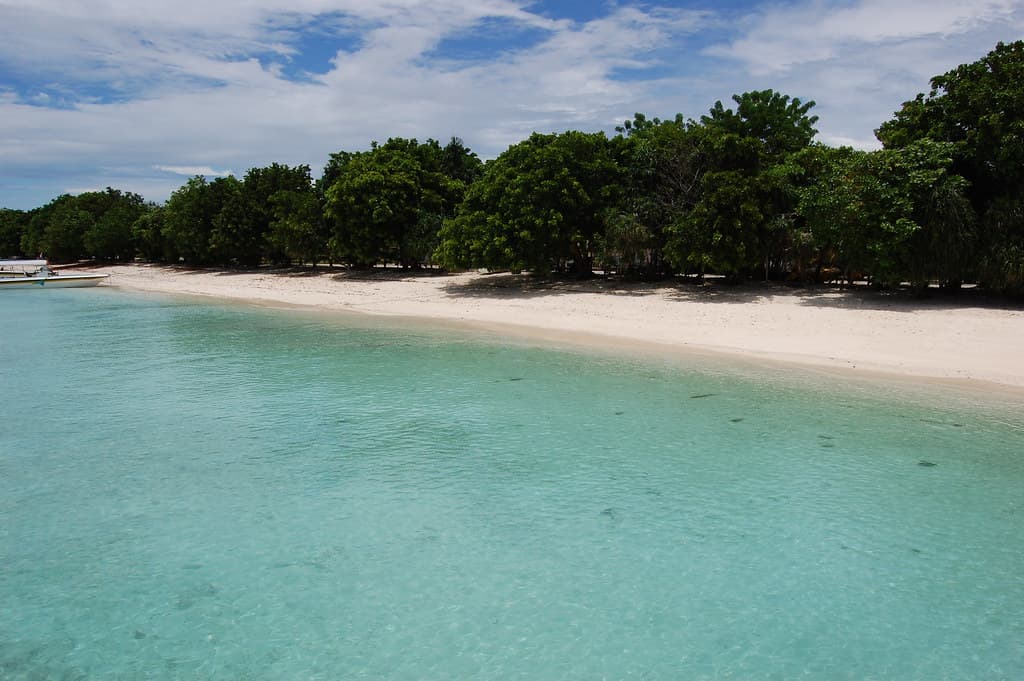
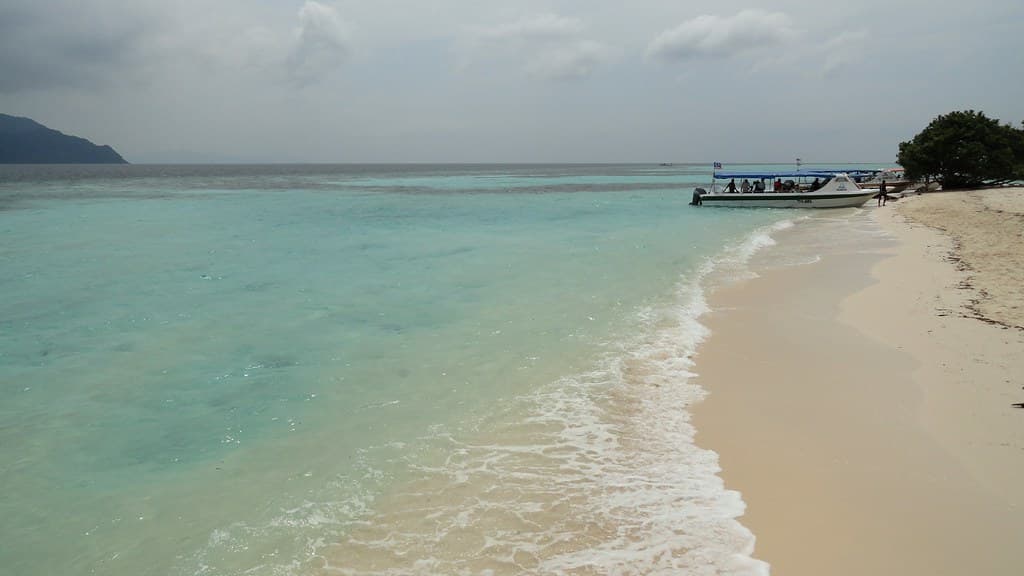
The island announces itself as a white crescent against the open sea, narrow enough that you can see water on both sides from its spine. No resorts, no beach bars—just a sliver of sand and the occasional thatched shelter where Bajau Laut families moor their lepa-lepa boats. You arrive to the scent of salt and sun-warmed timber, the kind of heat that makes the horizon shimmer and bends the light around distant islands. The sand feels different here, pulverized coral so powdery it clings to wet skin like talc. Wade out and the seabed reveals itself in bands: beige shallows, then that startling shift to turquoise where the reef begins, patterns of elkhorn and table coral visible through water so transparent you can count the spines on a sea urchin three metres down. Fishermen's children dive from stilted platforms, their laughter carrying across the flat calm of late morning. You'll share this place with gulls and the odd boatman delivering supplies to the handful of families living in stilt houses offshore. The light here is merciless and perfect—photographers arrive for the blinding contrast between white sand and saturated blues, shooting in the hour after dawn when the sun hasn't yet bleached the sky. By noon the island feels like a mirage, heat rippling off the sand, the only shade beneath the bow of an upturned boat.
Places, rentals, tours and events within walking and driving distance of Timba-Timba Island Beach.
Photos
Swimming conditions at Timba-Timba Island are generally calm and safe, particularly during dry season months. The shallow turquoise waters near the shore are ideal for wading and snorkeling. However, always check current weather conditions before visiting, as seas can become choppy during monsoon season or storms. There are no lifeguards on duty, so swim at your own risk and stay close to shore. Watch for sea urchins in rocky areas and avoid touching coral. It's advisable to visit with a tour group for added safety.
The best time to visit Timba-Timba Island is during the dry season from March to October, with peak conditions between April and September. These months offer calmer seas, clearer skies, and better visibility for photography and snorkeling. For Instagram-worthy shots, arrive early morning (7-9 AM) or late afternoon (4-5 PM) when lighting is optimal and crowds are minimal. Avoid the monsoon season (November to February) when seas are rough and boat transfers may be cancelled due to weather.
Timba-Timba Island is accessible only by boat from Semporna town. Most visitors book island-hopping tours through local operators at the Semporna seafront or through their accommodation. Tours typically depart between 8-9 AM and include multiple islands. The boat ride takes approximately 45-60 minutes depending on sea conditions and boat type. Private boat charters are also available but more expensive. There's no parking at the island itself; leave your vehicle at your hotel or designated parking areas in Semporna town.
Timba-Timba Island is an undeveloped, uninhabited island with no permanent facilities, restaurants, or lodging. There are no toilets, shelters, or freshwater sources available. Visitors must bring everything they need, including drinking water, snacks, sunscreen, and waste bags to pack out all trash. Most organized island-hopping tours include packed lunches and drinking water. The nearest accommodations and restaurants are in Semporna town, approximately 45-60 minutes away by boat. Come prepared for a remote beach experience.
Timba-Timba Island is exceptionally photogenic thanks to its pristine white sand beaches, stunning turquoise waters, and minimal development. The island remains relatively uncrowded compared to more popular Semporna destinations, offering unobstructed beach shots perfect for Instagram. The shallow, crystal-clear waters create beautiful gradient colors from turquoise to deep blue. Natural features like palm-fringed shores and vibrant coral reefs visible from the beach provide diverse photography opportunities. Its hidden gem status means you can capture pristine tropical paradise scenes without crowds in your frame.