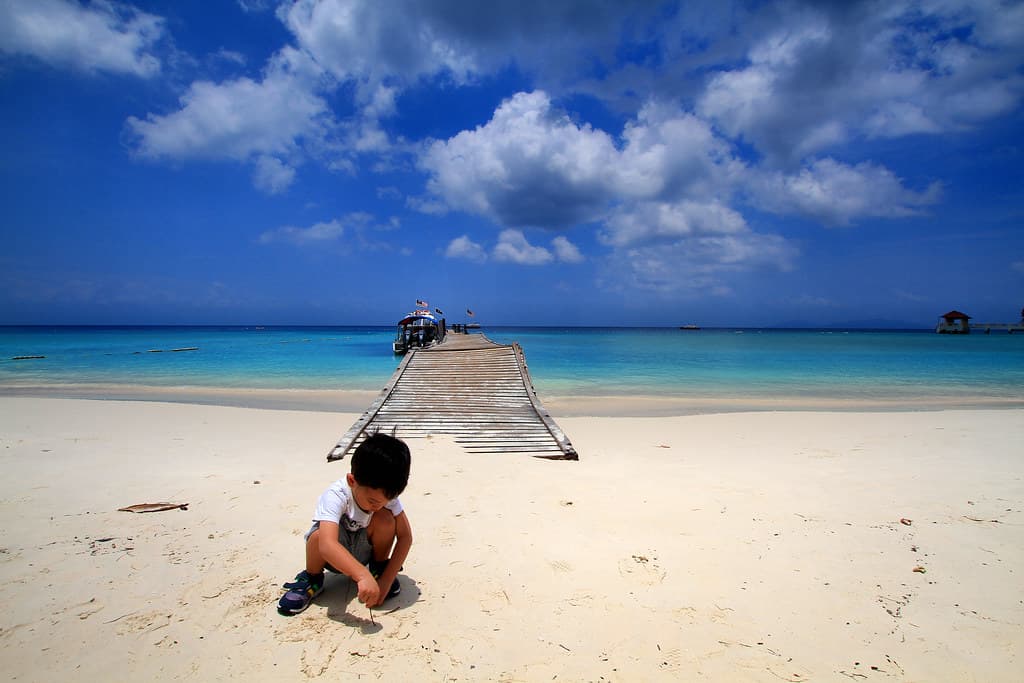
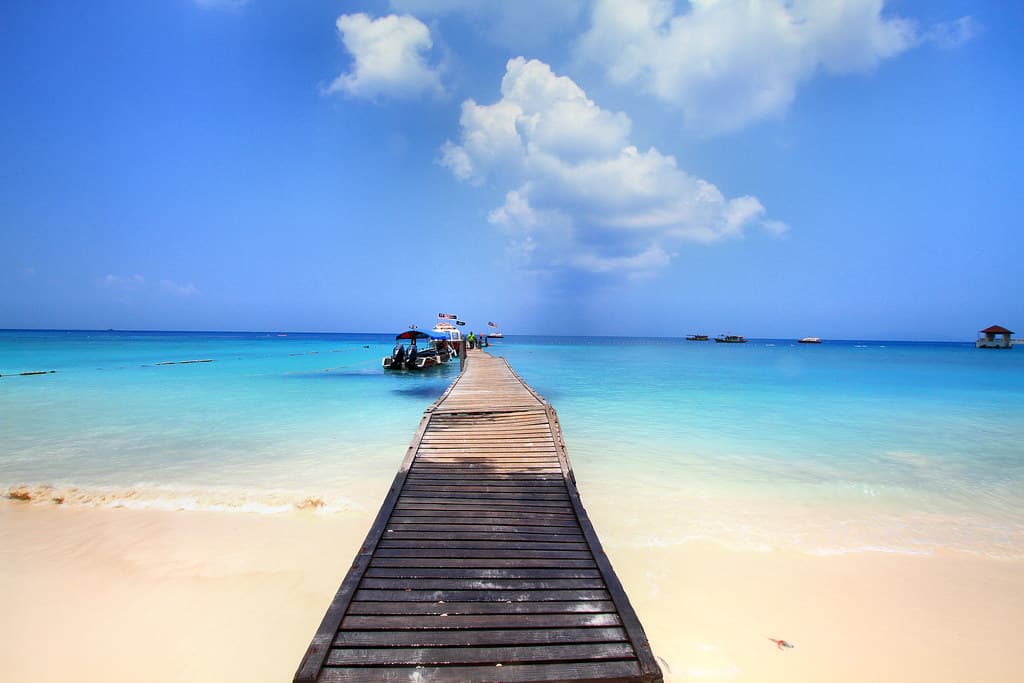
Counting the waves…
Counting the waves…

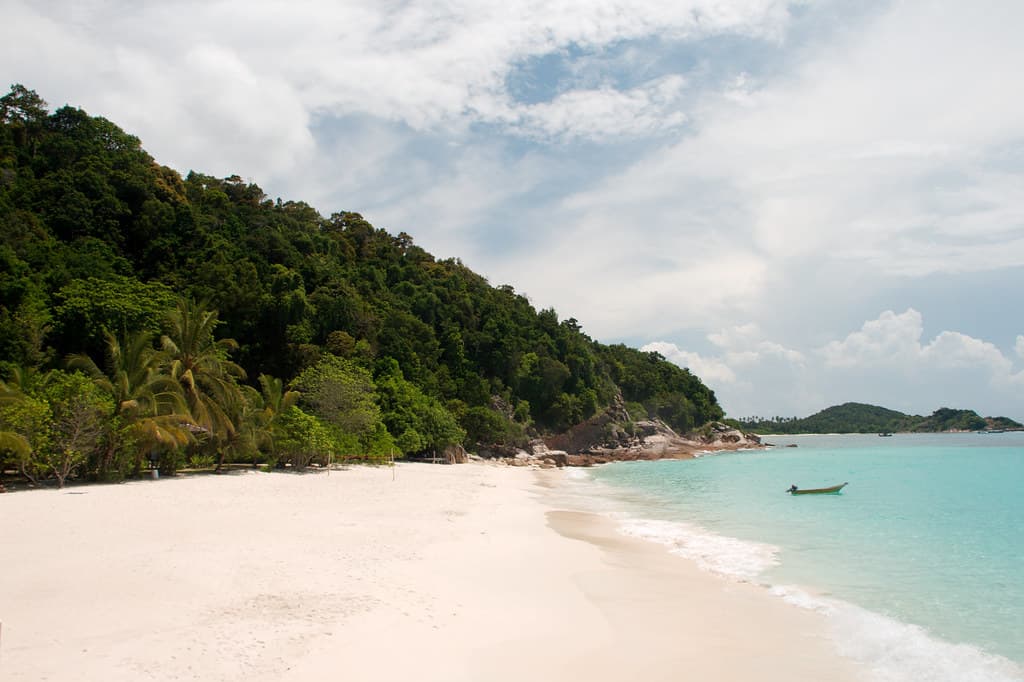
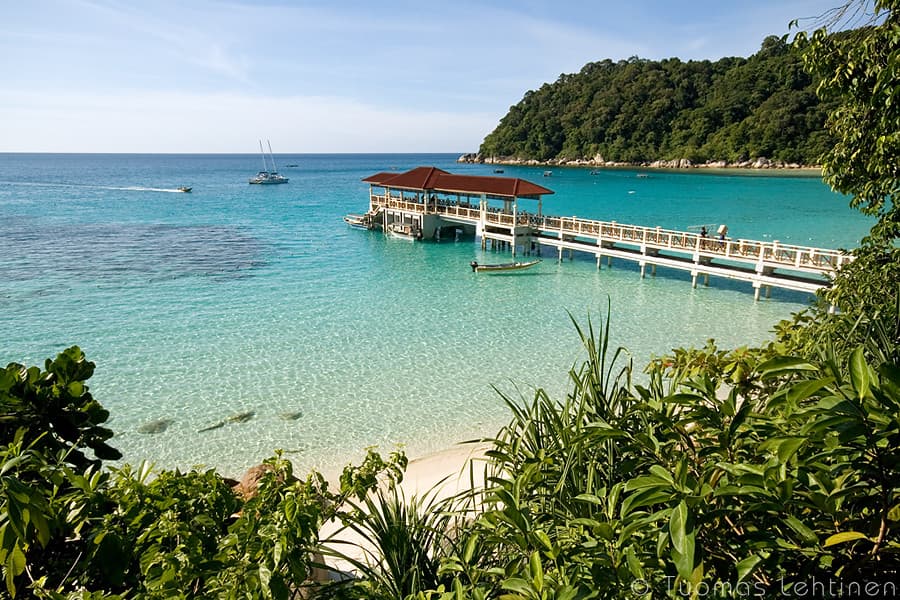
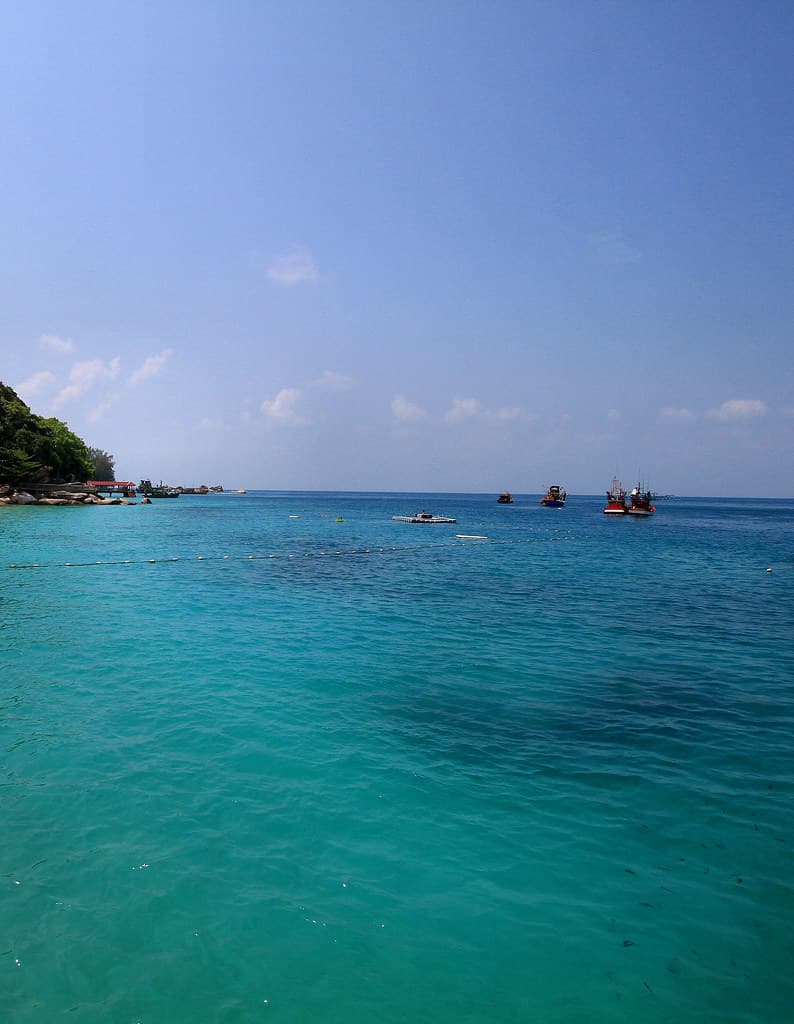
Pulau Lang Tengah earns its reputation as Terengganu's quietest offshore retreat not through marketing but through geography: wedged between the more famous Redang and Perhentian archipelagos, this thumb-shaped island hosts just a handful of low-rise resorts and no day-trippers jostling for sand. You'll arrive via a forty-minute speedboat ride from Merang jetty, watching the mainland's palm oil plantations shrink into a hazy smudge as the engine spray mists your sunglasses. The island reveals itself slowly—a spine of rainforest, a few wooden piers, and crescents of blonde sand fringed by she-oak trees whose needle-like leaves scratch softly in the breeze. The reef system encircles the island like a living necklace, close enough that you can snorkel straight from the beach without a guide. Beneath the surface, table corals the size of dinner plates host schools of fusiliers that pivot in unison, their yellow flanks flashing as you kick past giant clams wedged into the limestone. Visibility stretches fifteen meters on calm mornings, the kind of clarity that makes you forget your mask exists. By late afternoon the handful of guests retreat to hammocks strung between casuarina pines, cold Tigers sweating in their palms, while monitor lizards lumber across the sand in search of shade. There are no ATMs, no convenience stores, no tuk-tuks revving outside your window—just the metronome of waves and the occasional hornbill's raspy call echoing through the canopy.
Places, rentals, tours and events within walking and driving distance of Lang Tengah Beach.
Photos
Lang Tengah Beach is generally safe for swimming and snorkeling, with calm, clear waters and gentle currents during the peak season (March-October). The island's protected marine park status means abundant coral reefs close to shore, making it ideal for snorkelers of all levels. However, always check conditions with your resort, as currents can vary. The beach shelves gradually, which is suitable for swimmers. Jellyfish are rare but possible. Life jackets are typically provided by resorts for water activities, and many offer guided snorkeling tours for added safety.
The best time to visit Lang Tengah Beach is between March and October, when the island is open to tourists. Peak season runs from April to September, offering calm seas, excellent visibility for snorkeling (up to 30 meters), and sunny weather. The island and all resorts completely close from November to February due to monsoon season, with rough seas and heavy rainfall making access impossible. Book well ahead for June-August if traveling during Malaysian school holidays, as the island's limited resorts fill quickly despite being less crowded than neighboring islands.
Lang Tengah is accessible only by boat from Merang Jetty, located about 45 minutes north of Kuala Terengganu. Most resorts include speedboat transfers in their packages, with the journey taking 30-45 minutes depending on sea conditions. You typically arrange transportation through your resort when booking. Drive to Merang Jetty (free parking available) or take a taxi from Kuala Terengganu. The island has no public ferry service, and boat schedules depend on weather and tides. There are no roads or vehicles on the island itself.
Lang Tengah has limited but comfortable accommodation, with approximately five small to mid-sized resorts ranging from budget chalets to upscale beachfront properties. Most operate on full-board or half-board packages including meals, as there are no independent restaurants, shops, or ATMs on the island. Resort restaurants serve a mix of Malay and international cuisine, typically buffet-style. Some resorts cater to divers with equipment rental and courses. Bring cash for extras like drinks or additional activities, as card facilities may be limited. The island's small size ensures a quiet, intimate atmosphere.
Lang Tengah is significantly less crowded than popular neighbors Redang and Perhentian, making it ideal for travelers seeking tranquility. The island has no village or local population—just a handful of resorts with limited room capacity, naturally controlling visitor numbers. You'll often have stretches of beach to yourself, especially outside peak season. The smaller crowds also mean healthier coral reefs and better snorkeling experiences. However, this means fewer nightlife options and activities compared to busier islands. It's perfect for honeymooners, nature lovers, and those prioritizing peaceful relaxation over social atmosphere.