Counting the waves…
Counting the waves…

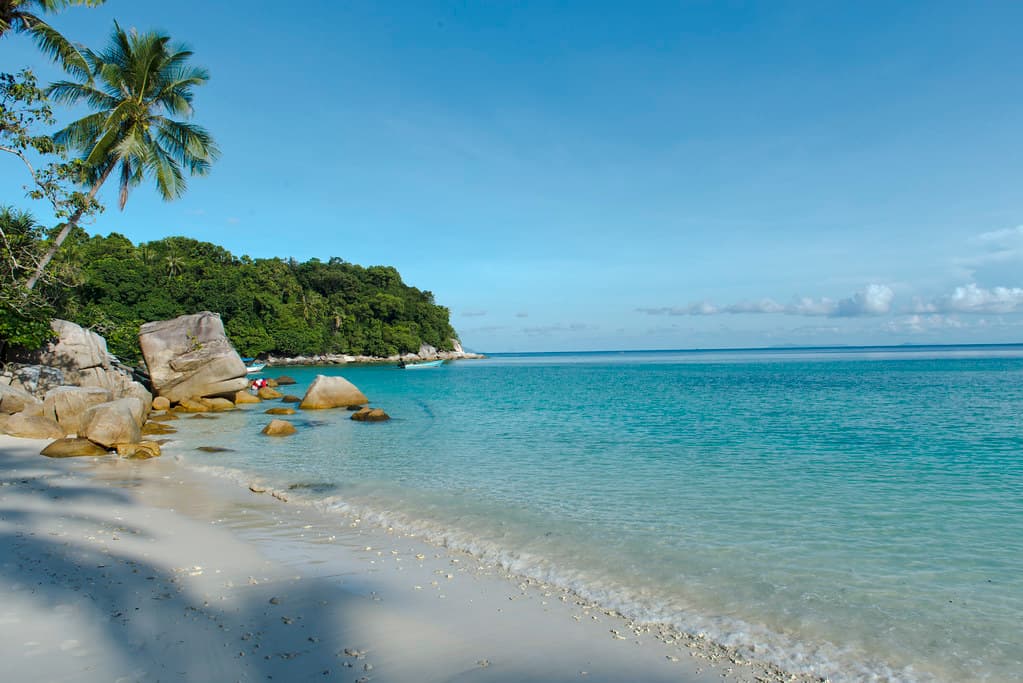
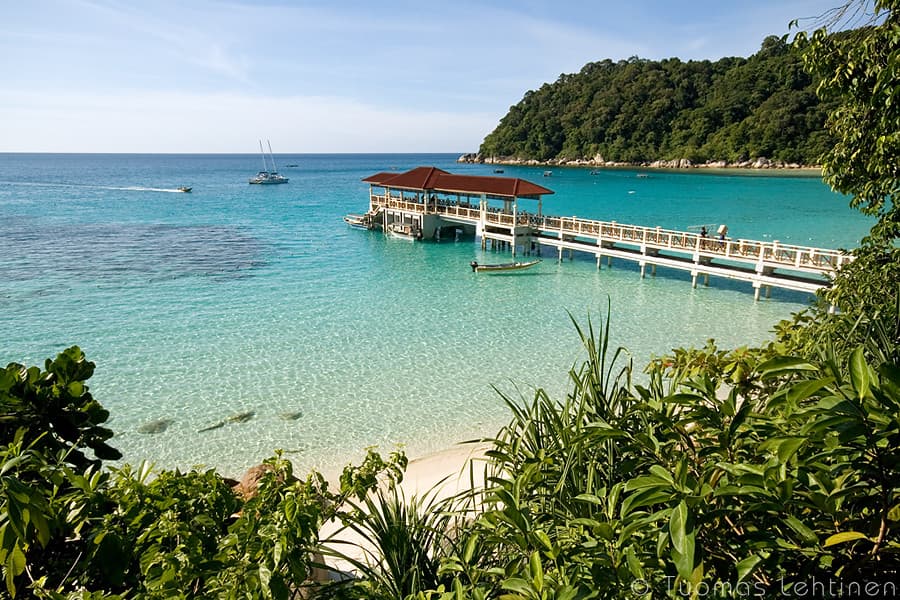
The moment your boat motor cuts, you hear it: the soft hiss of wavelets folding onto talc-white sand, punctuated by the occasional exhalation of a green turtle surfacing ten feet from the hull. Turtle Bay arcs in a crescent of bleached coral sand beneath a curtain of coconut palms and casuarinas, its waters protected by headlands thick with jungle. You can walk fifty meters offshore and still stand waist-deep, watching schools of fusiliers part around your legs like silver curtains. The turtles arrive between April and September, hauling themselves onto shore after dark to excavate nests above the tideline. By dawn, only tracks remain—bulldozer grooves in the sand leading back to sea. In daylight, they patrol the shallows, grazing on seagrass beds just beyond the swimming zone. Snorkelers float above staghorn coral gardens where sergeant majors and clownfish dart through purple anemones, while blacktip reef sharks cruise the drop-off at the bay's eastern edge. The conservation efforts here are visible: roped-off nesting zones, volunteer patrols after sunset, educational signage in three languages. Between dives, you'll sprawl on sand that squeaks underfoot, the South China Sea stretching unbroken to the horizon, its surface dimpled by baitfish shoals. Come late afternoon, the jungle behind the beach erupts with hornbill calls, and the water takes on the milky turquoise of Celadon pottery.
Places, rentals, tours and events within walking and driving distance of Turtle Bay Beach.
Photos
Turtle Bay Beach generally offers calm, protected waters ideal for swimming and snorkeling, particularly during the dry season (March-October). The bay's sheltered location minimizes strong currents, making it suitable for beginners. However, always check daily conditions with your resort or local operators before entering the water. Jellyfish can occasionally appear, especially during certain seasons. When snorkeling, maintain a respectful distance from marine life and coral. Life jackets are recommended for weak swimmers, and most resorts provide them. Avoid swimming during monsoon season (November-February) when conditions become unpredictable.
The optimal time to visit Turtle Bay Beach is between March and October, with April to September being peak season for calm seas and excellent visibility for snorkeling and diving. During these months, you'll enjoy sunny weather, minimal rainfall, and the best opportunities to spot marine life including sea turtles, reef sharks, and colorful fish. Most resorts and facilities close during the northeast monsoon season (November-February) due to rough seas and limited boat access. May and June offer particularly good weather with fewer crowds compared to July-August holiday periods.
Reaching Turtle Bay requires a ferry or speedboat from Merang Jetty (approximately 45 minutes) or Kuala Terengganu's Shahbandar Jetty (about 1-1.5 hours) on the mainland. Most visitors fly into Kuala Terengganu Airport, then arrange ground transport to the jetty. Many resorts include ferry transfers in their packages. There's no parking at Turtle Bay itself, as it's only accessible by boat. During monsoon season (November-February), ferry services typically cease. Book boat transfers in advance through your accommodation, as independent boat access may be restricted to protect the marine park.
Turtle Bay Beach is home to several beach resorts that provide full-board or half-board packages, as the island has limited standalone restaurants. Most resorts offer buffet-style meals featuring local Malaysian and international cuisine. Independent dining options are scarce, so booking meal packages is advisable. Accommodations range from budget chalets to mid-range resorts, with most properties offering beachfront or garden views. Basic amenities like dive shops, small convenience stores, and equipment rentals are available through resorts. There are no major supermarkets or extensive shopping facilities on the island, so bring essentials.
Yes, green and hawksbill turtles frequent the waters around Turtle Bay, though sightings aren't guaranteed on every visit. Your best chances are during snorkeling or diving trips in the morning or late afternoon when turtles often feed on seagrass and coral. The entire Redang archipelago is a marine protected area, which helps maintain healthy turtle populations. While turtles do nest on some Redang beaches, specific nesting sites may have restricted access during nesting season. Reputable dive operators know the best spots for turtle encounters while ensuring responsible wildlife viewing practices are followed.