Counting the waves…
Counting the waves…
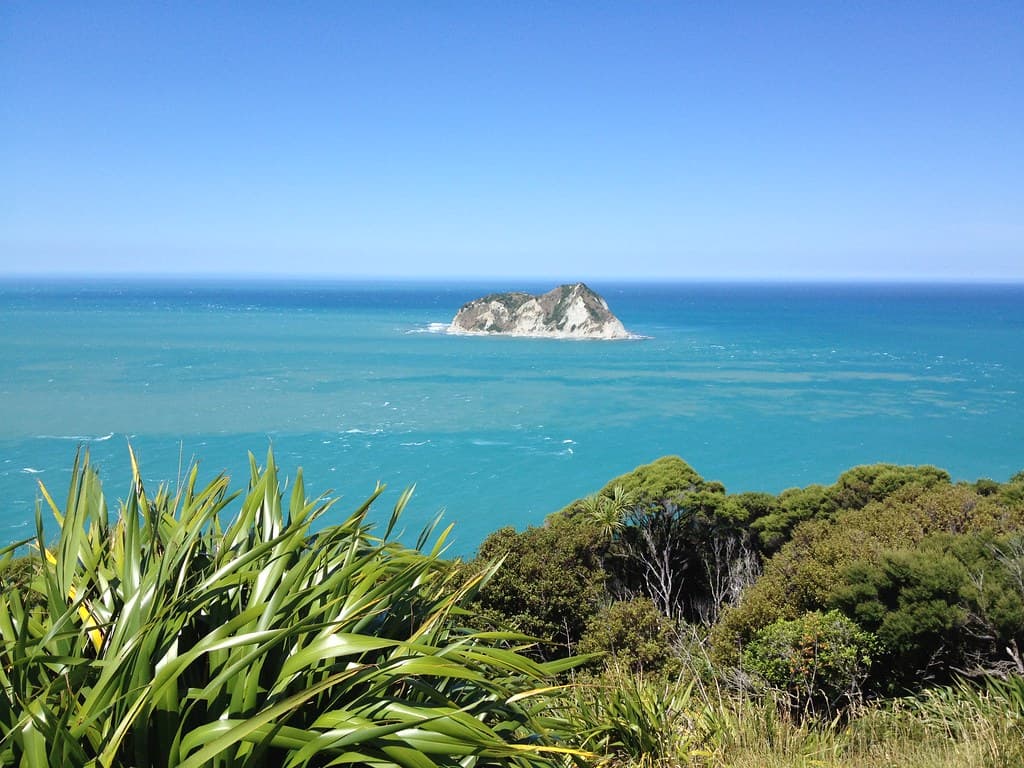
The drive from Ruatoria winds through settlements where horses graze roadside and kumara grows in backyards tended by the same hands that harvest kai moana from the reef at low tide. When you reach Rangitukia, the beach unfolds as a long crescent where driftwood logs bleached silver by salt and sun mark the high-tide line. Pohutukawa trees lean from the cliffs, their roots gripping rock, their branches offering the only shade for miles. The Waiapu River empties nearby, staining the shorebreak brown after heavy rains and depositing river stones among the sand. You'll share the water with local kids launched from innertubes, their shouts carrying across the beach between sets. The undertow runs strong here—you feel it tugging at your calves when you wade past knee-depth, a reminder that this coast doesn't soften itself for visitors. Evening arrives with the scent of smoke from beach fires and the sight of fishermen returning with their catch, blue cod and kahawai packed in chilly bins. The Raukumara peaks glow pink in the last light, and you understand why those who know this place guard it quietly, mentioning it only to those who'll treat it with the respect it commands.
Places, rentals, tours and events within walking and driving distance of Rangitukia Beach.
Photos
Rangitukia Beach can be suitable for families during calm conditions, though caution is always necessary at this remote beach without lifeguard services. The sandy beach provides good space for children to play, but adult supervision is essential at all times when near the water. Swimming conditions vary depending on weather, tides, and swells, so assess the ocean carefully before allowing children to enter. During summer and settled weather, the beach is generally more family-friendly with calmer seas and warmer water. Keep children close to shore in shallow water, be aware of potential currents, and never swim during rough conditions. The remote location means help is not immediately available in emergencies.
The best time to visit Rangitukia Beach is during the summer months from December to March, offering the warmest weather, calmest seas, and most pleasant beach conditions. This period is also budget-friendly for families, as you can enjoy outdoor activities without significant costs. Autumn (April-May) can still provide good weather with fewer visitors. The beach's remote location means it's rarely crowded regardless of season. Local schools' summer holidays (late December-January) might bring slightly more activity from nearby communities. Check weather forecasts before traveling, as this exposed coastline can experience rapid weather changes. Winter months are generally cold and rough, less suitable for family beach activities.
Rangitukia Beach is located near the Waiapu River settlements, accessible from Ruatoria via local roads heading toward the coast. From Ruatoria township, the drive typically takes 15-30 minutes depending on exact routes and conditions. Follow signs toward Rangitukia or ask locals for directions, as signage may be limited. The area is accessed via State Highway 35, with Ruatoria being a key service town in the region. From Gisborne, expect a 2-2.5 hour drive north (approximately 130-150 kilometers). A private vehicle is essential as there's no public transport. Roads are generally sealed main routes but may include gravel sections closer to the beach.
Accommodation and dining near Rangitukia Beach are very limited due to the remote rural character of the area. Ruatoria, the nearest substantial settlement about 15-30 minutes away, offers basic services including a general store, fuel station, and possibly some takeaway food options. Accommodation options are sparse—you may find occasional holiday rentals, farm stays, or homestays with advance booking. Many visitors come as day-trippers or stay in larger towns like Tolaga Bay or even Gisborne. It's highly advisable to bring your own food supplies and be prepared for limited services. The area is deeply connected to local Māori communities, so visitors should be respectful of local customs and private property.
Rangitukia Beach holds strong cultural and community significance for local Māori, particularly those affiliated with the Waiapu River settlements and surrounding iwi (tribes). This area is deeply rooted in Māori heritage, with the beach and surrounding lands having sustained local communities for generations. The Waiapu River region is heartland for Ngāti Porou, one of New Zealand's largest iwi, and the beach connects to traditional fishing grounds, gathering places, and ancestral lands. Visitors should approach with cultural sensitivity and respect for local communities. Unlike tourist-focused beaches, Rangitukia represents authentic rural Māori coastal life. The beach's importance lies more in its community connections than commercial tourism, making respectful engagement essential for visitors.