Counting the waves…
Counting the waves…
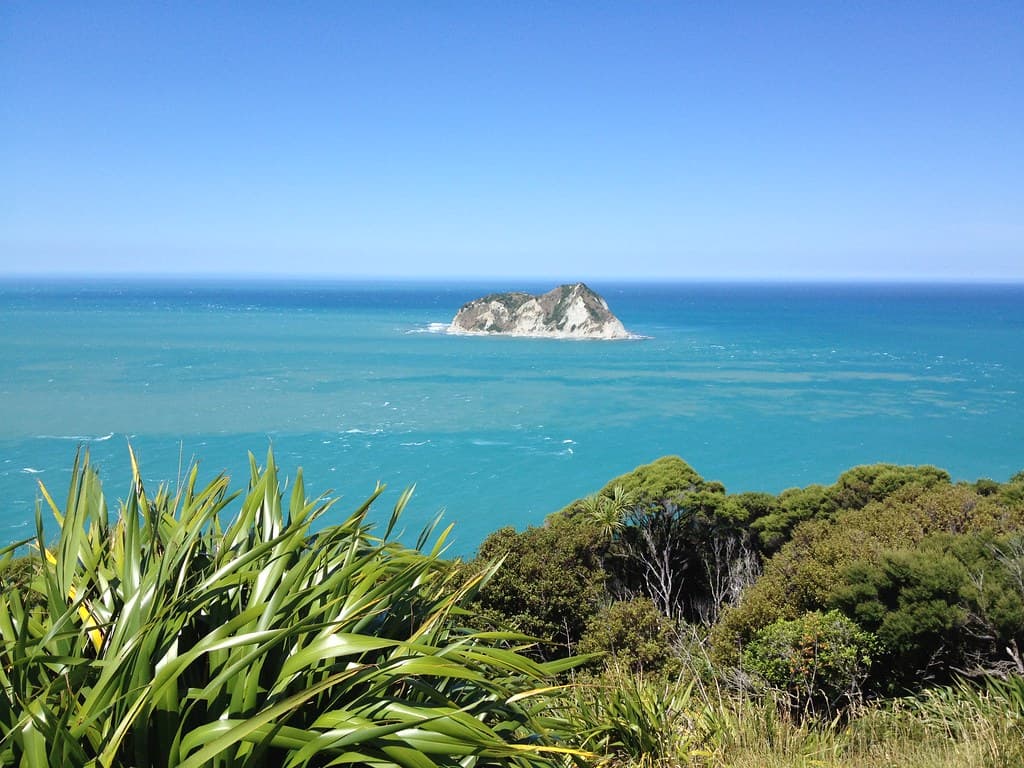
You'll notice the silence first—no ice-cream vans, no lifeguard towers, just the thud of breakers on dark sand and the occasional bleat of sheep grazing the headland above. Reporua Beach stretches wide and flat at low tide, its iron-grey sand dotted with pohutukawa roots and tangles of bull kelp. The coastline here feels provisional, as if the land hasn't quite decided where it ends and the sea begins. Families from Rangitukia bring chilly bins and let their children wade in the shallows while the adults scan the horizon for dolphins. The water runs cold even in January, fed by currents that have traveled halfway across the Pacific. You'll see tire tracks from farm utes crossing the sand, and sometimes a fisherman casting for kahawai where the river mouth cuts through the beach. The hills behind are a patchwork of gorse and grazing paddocks, their green shocking against the grey sky that seems to hang lower here than anywhere else in New Zealand. When the sun does break through, the wet sand turns bronze and the offshore wind carries the scent of manuka from the valley. There are no facilities, no carpark attendants—just a beach doing what it has done for centuries, indifferent to whether you notice or not.
Places, rentals, tours and events within walking and driving distance of Reporua Beach.
Photos
Reporua Beach is generally suitable for families, but caution is advised. As with most East Cape beaches, conditions can be unpredictable with strong currents and changing surf. There are no lifeguard patrols, so swimming should only be attempted by confident swimmers in calm conditions. Always supervise children closely and stay within shallow areas. Check local conditions before entering the water, and be aware that the remote location means emergency services may take longer to arrive than at urban beaches.
The best time to visit Reporua Beach is during summer months (December to February) when weather is warmest and most settled. This period offers the best conditions for beach activities and exploring the remote coastline. Autumn (March-May) can also be pleasant with fewer visitors and mild temperatures. Winter brings rougher seas and cooler weather. Visiting during weekdays rather than weekends typically means even fewer crowds. The remote East Cape location generally ensures a quiet experience year-round compared to more accessible New Zealand beaches.
Reporua Beach is accessed via the small settlement of Reporua, located along State Highway 35 north of Ruatoria. The beach requires driving on local roads from the main highway. A vehicle is essential as public transport doesn't serve this remote area. The roads in the East Cape region can be winding and narrow, so allow extra travel time. Ensure your vehicle has adequate fuel as service stations are sparse. The journey offers scenic coastal and rural views, making the drive part of the experience when exploring this remote corner of New Zealand.
Accommodation and dining options near Reporua Beach are extremely limited due to its remote location. Ruatoria, the nearest town, offers basic services including a small supermarket and takeaway food options. Visitors should plan to bring supplies from larger centres like Gisborne. Accommodation is best arranged in Ruatoria or nearby settlements, with options including modest motels, homestays, or holiday rentals. Many visitors exploring the East Cape bring camping gear or travel in self-contained vehicles. Stock up on food, water, and essentials before arriving, as amenities are minimal in this rural region.
Reporua Beach offers an authentic glimpse into remote New Zealand coastal life, largely untouched by tourism. Its location near the small settlements of Reporua and Rangitukia provides a genuine local atmosphere rarely found elsewhere. The beach serves as a gateway to understanding the East Cape's strong Māori cultural heritage and rural communities. Its relative obscurity compared to even other East Cape beaches means exceptional solitude and unspoiled natural beauty. The combination of sandy shores, rural backdrop, and minimal development creates a truly off-the-beaten-path experience for travellers seeking authentic New Zealand coastal scenery.